How The Dutch Economy Shows We Can't Reduce Wealth Inequality With Taxes | Economics Explained
TL;DR
The Netherlands has high wealth inequality despite progressive policies.
Transcript
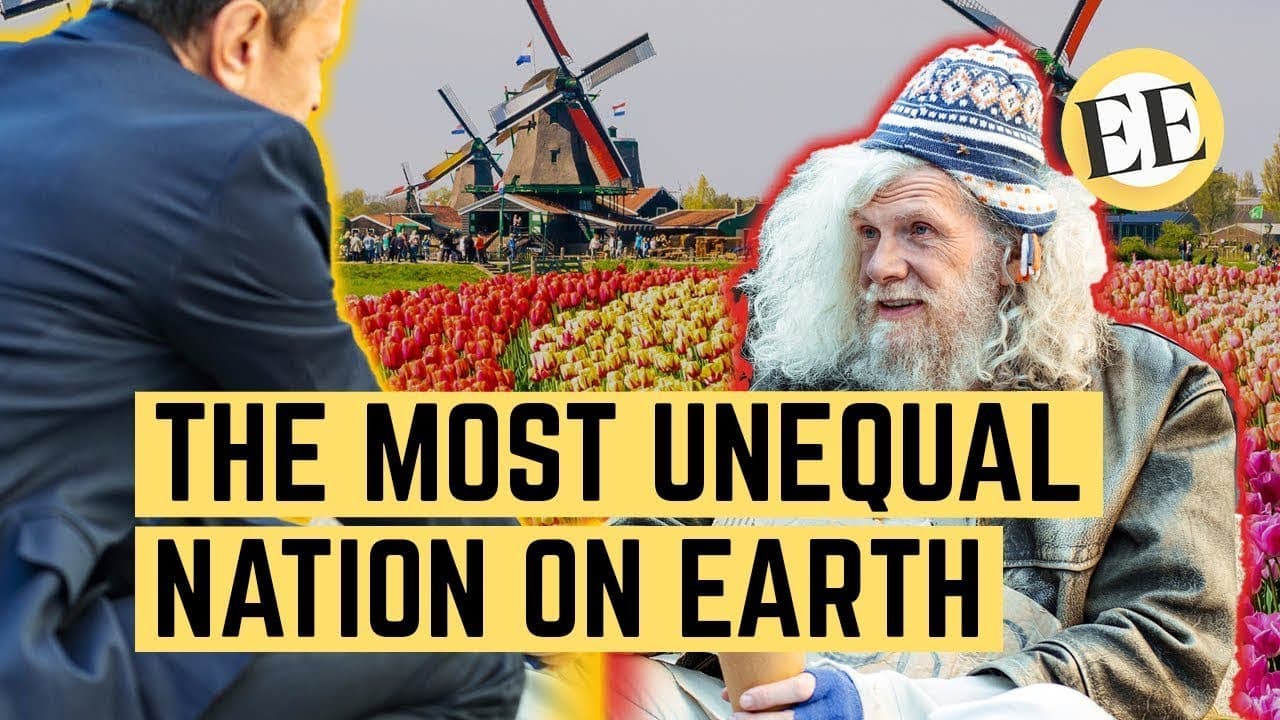
This is the Netherlands, a picturesque nation filled with windmills, tulip fields and uhh coffee shops. The nation is looked to by many as an extremely forward-thinking place that practices some pretty progressive policies. The nation has an incredibly strong social security system, with universal healthcare, robust retirement pensions, as well as ... Read More
Key Insights
- The Netherlands is perceived as progressive with strong social security, universal healthcare, and employee protections, yet it has high wealth inequality.
- The Gini coefficient measures inequality but can be misleading, as seen in the Netherlands where wealth inequality is high despite low income inequality.
- Dutch mortgage policies encourage high debt, skewing wealth inequality metrics with many citizens having negative net worth.
- Old money and generational wealth in the Netherlands contribute to its wealth inequality, with wealth being passed down over centuries.
- The Dutch economic system, rooted in early capitalism, allows wealth to compound over long periods, exacerbating inequality.
- Wealth inequality does not necessarily equate to poor living conditions, as seen in the Netherlands where citizens enjoy high living standards.
- The Netherlands' economic stability and advanced financial services make it a hub for wealth preservation, despite low growth since 2008.
- The video challenges the effectiveness of high taxes and progressive policies in reducing wealth inequality, using the Netherlands as a case study.
Install to Summarize YouTube Videos and Get Transcripts
Explore YouTube Video Summarizer or Get YouTube Transcript Extractor
Questions & Answers
Q: Why does the Netherlands have high wealth inequality despite progressive policies?
The Netherlands has high wealth inequality due to several factors. The mortgage system encourages high debt, leading to many citizens having negative net worth. Additionally, generational wealth plays a significant role, with old money being passed down over centuries without major disruptions, allowing wealth to accumulate and concentrate.
Q: How does the Gini coefficient relate to the Netherlands' wealth inequality?
The Gini coefficient measures inequality but can be misleading. In the Netherlands, it shows high wealth inequality despite low income inequality. This is due to many citizens having negative net worth from mortgage debt, skewing the figures. The coefficient doesn't fully capture living standards or economic stability.
Q: What role does generational wealth play in Dutch inequality?
Generational wealth is a key factor in Dutch inequality. Wealth has been passed down for centuries, allowing it to compound over time. This old money remains concentrated within families, contributing to high wealth inequality despite progressive income distribution policies and social security systems.
Q: How do Dutch mortgage policies affect wealth inequality?
Dutch mortgage policies allow citizens to borrow over 100% of a home's value, leading to high levels of debt and negative net worth for many. This skews wealth inequality metrics, as the Gini coefficient reflects these negative net worths, presenting a picture of inequality despite a high standard of living.
Q: Is wealth inequality synonymous with poor living conditions in the Netherlands?
No, wealth inequality in the Netherlands does not imply poor living conditions. Despite high inequality metrics, the country maintains a high standard of living with strong social security, healthcare, and economic stability. The inequality largely stems from debt and generational wealth rather than widespread poverty.
Q: What insights does the video provide about the nature of wealth in the modern world?
The video illustrates that wealth inequality can persist despite progressive policies, due to factors like debt and generational wealth. It suggests that traditional measures like taxes may not effectively reduce inequality, highlighting the need for policies that address the underlying causes of wealth concentration.
Q: How does the Dutch economic system contribute to wealth concentration?
The Dutch economic system, rooted in early capitalism, has allowed wealth to compound over long periods. With innovations like stock markets and limited liability companies dating back centuries, the system has facilitated wealth preservation and concentration, contributing to the nation's high wealth inequality.
Q: What challenges do high taxes and progressive policies face in reducing inequality?
High taxes and progressive policies face challenges in reducing inequality because they do not address the root causes of wealth concentration, such as generational wealth and debt. The Dutch example shows that even with strong social policies, wealth can remain concentrated if these underlying factors are not addressed.
Summary & Key Takeaways
-
The Netherlands, known for its progressive policies, surprisingly has the highest wealth inequality globally, surpassing even South Africa. Despite having a strong social security system and low income inequality, wealth is highly concentrated due to factors like old money and mortgage policies that encourage debt.
-
The Gini coefficient, a measure of inequality, can be misleading. In the Netherlands, many have negative net worth due to high mortgage debt, skewing wealth inequality figures. This situation is exacerbated by generational wealth, with old money being a significant factor in the nation's inequality.
-
Despite its wealth inequality, the Netherlands maintains a high standard of living with strong economic stability and advanced financial services. The video questions the effectiveness of high taxes and progressive policies in reducing wealth inequality, using the Dutch economic system as a case study.
Read in Other Languages (beta)
Share This Summary 📚
Summarize YouTube Videos and Get Video Transcripts with 1-Click
Try YouTube Summary with ChatGPT & Claude or YouTube Transcript Generator
Explore More Summaries from Economics Explained 📚






Summarize YouTube Videos and Get Video Transcripts with 1-Click
Try YouTube Summary with ChatGPT & Claude or YouTube Transcript Generator