The Effect of Elevation on Training and Recovery
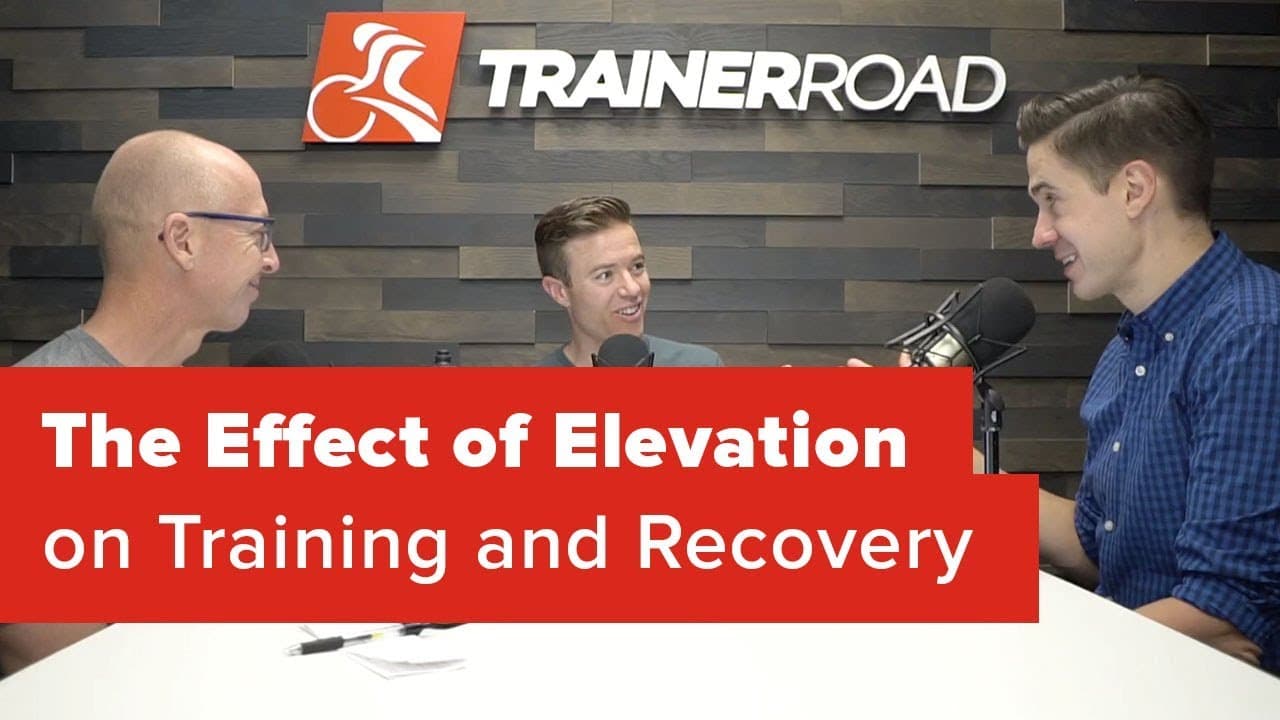
TL;DR
Training at altitude requires both high altitude living for hematological adaptations and low elevation training for muscular adaptations.
Transcript
it's interesting and I've wondered this very thing I've wrestled with this in the past - you're kind of mixing stress with strain to some extent or really stress with stimulus it's the same stress on the body but it's not providing the same stimulus mm-hmm so it's kind of where I'm gonna go with this cool yeah I mean I know someone and this is the ... Read More
Key Insights
- 😪 High altitude living stimulates erythropoiesis, increasing red blood cell production for enhanced oxygen transport.
- 😘 Low elevation training provides the necessary muscular stimulus for adaptations like mitochondrial biogenesis and capillary bed growth.
- 😘 Balancing high altitude living with low elevation training maximizes both hematological and muscular adaptations for endurance performance.
- 💪 Saturating muscles with extra oxygen during training may blunt the necessary stimulus for further adaptations.
- 😘 The combination of high altitude living and low elevation training benefits elite athletes by improving oxygen-carrying capacity and performance levels.
- 🥺 Saturation of muscles with extra oxygen may not lead to increased performance if the necessary training stimulus is not provided.
- 🖐️ Psychological factors can play a role in how individuals respond to altitude training, affecting performance outcomes.
Install to Summarize YouTube Videos and Get Transcripts
Explore YouTube Video Summarizer or Get YouTube Transcript Extractor
Questions & Answers
Q: What is the impact of high altitude living on red blood cell production?
High altitude living stimulates erythropoiesis in the body, leading to increased red blood cell production and improved oxygen-carrying capacity.
Q: Why is low elevation training necessary despite high altitude living for athletes?
Low elevation training provides the muscular stimulus required for adaptations like mitochondrial biogenesis, capillary bed growth, and improved aerobic capacity.
Q: What is the potential drawback of saturating muscles with extra oxygen during training?
Saturating muscles with extra oxygen may blunt the necessary training stimulus for further adaptations, potentially leading to performance stagnation.
Q: How does the combination of high altitude living and low elevation training benefit elite athletes?
Elite athletes who combine high altitude living for hematological adaptations with low elevation training for muscular adaptations see improvements in both oxygen-carrying capacity and performance levels.
Summary & Key Takeaways
-
High altitude living increases erythropoiesis, enhancing oxygen-carrying capacity through increased red blood cell production.
-
Low elevation training provides the necessary muscular stimulus for adaptations like mitochondrial biogenesis and capillary bed growth.
-
The combination of high altitude living and low elevation training maximizes both hematological and muscular adaptations for endurance performance.
Read in Other Languages (beta)
Share This Summary 📚
Summarize YouTube Videos and Get Video Transcripts with 1-Click
Try YouTube Summary with ChatGPT & Claude or YouTube Transcript Generator
Explore More Summaries from TrainerRoad 📚


Summarize YouTube Videos and Get Video Transcripts with 1-Click
Try YouTube Summary with ChatGPT & Claude or YouTube Transcript Generator