#ASKJASON: What advice do you have on dealing with copycat companies?
TL;DR
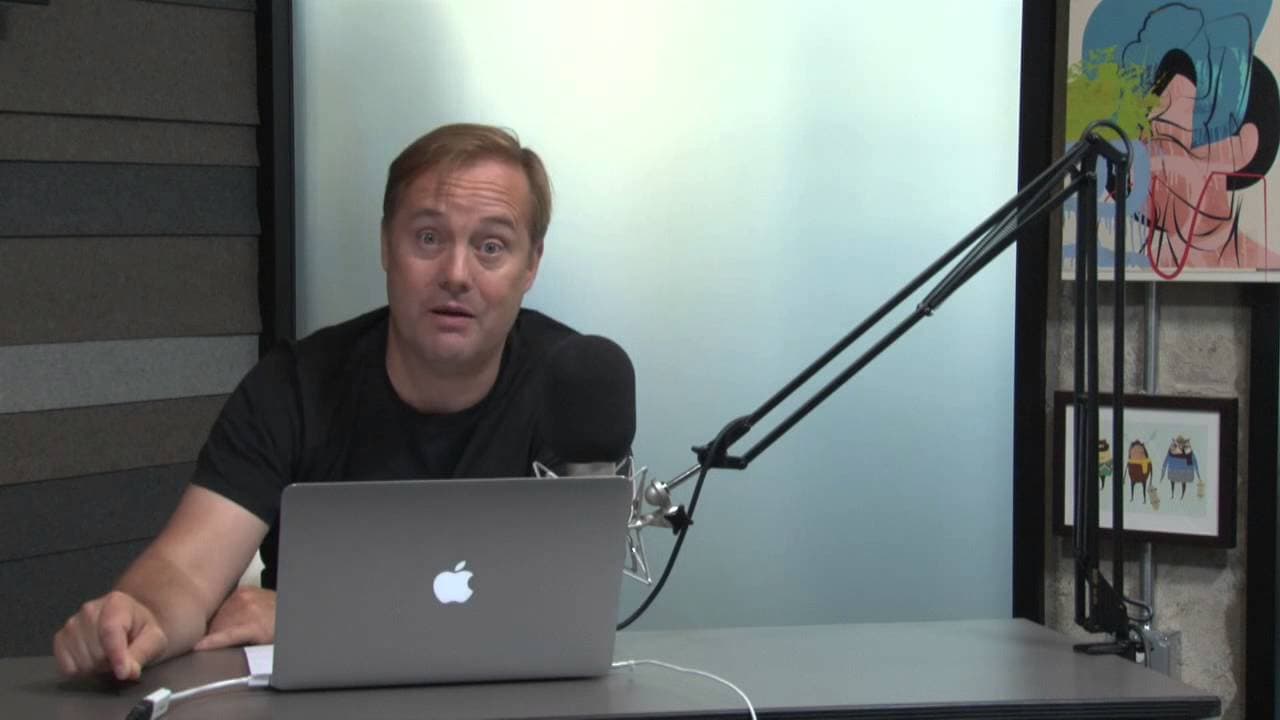
A founder seeks advice on dealing with a competitor who copied their product and a venture capitalist who may be planning to invest in the competitor.
Transcript
my last question is by email and it's anonymous that means is a really good question let me read it to you we made public a beta version of our product okay sounds good one of the beta testers made a copycat product what and raised funding now their product is in beta and it's an exact replica of ours I had a meeting with the VC firm recently a sen... Read More
Key Insights
- 🥇 Ideas and designs are difficult to trademark and protect, and legal action may be limited without proper measures in place.
- 🗯️ Venture capitalists have the right to invest in any company, and it is necessary to be cautious and protect proprietary information during presentations.
- 🌱 Non-disclosure agreements, general roadmaps, and safeguarding specific plans can help prevent idea theft in the beta stage.
Install to Summarize YouTube Videos and Get Transcripts
Explore YouTube Video Summarizer or Get YouTube Transcript Extractor
Questions & Answers
Q: What can I do if someone creates a copycat version of my product and secures funding?
If you have a copyrighted design and an NDA signed by the offender, you can consult a lawyer to discuss potential legal action. However, without these protections in place, your options may be limited. It's crucial to be cautious and learn from the experience for future endeavors.
Q: Should venture capitalists be more ethical and not invest in a competitor who has copied someone else's idea?
While it may seem unfair, venture capitalists have the freedom to invest in any company they believe has the best chance of success. Asking whether they are considering investments in similar spaces during meetings can help understand their intentions. It's vital to protect your proprietary information and share only general plans with potential investors.
Q: How can I prevent competitors from stealing my ideas in the beta stage?
While it is challenging to protect ideas, implementing non-disclosure agreements (NDAs) with beta testers can add an extra layer of confidentiality. Sharing only general roadmaps and keeping specific tactics and plans within your team can help safeguard your intellectual property.
Q: Is publicly calling out the copycat company a viable strategy?
Calling out the copycat company publicly may bring attention to both parties and the industry as a whole. It can serve as a way to assert your ownership and may discourage others from similar actions. However, it is advisable to evaluate the potential consequences and take legal advice before taking such action.
Summary & Key Takeaways
-
The founder discovered that a beta tester has created an exact replica of their product and raised funding.
-
The venture capitalist showed interest in the founder's vision and features, leading the founder to suspect they may invest in the competitor.
-
Legal action may be limited without proper trademarking, copyright, or non-disclosure agreements.
Read in Other Languages (beta)
Share This Summary 📚
Summarize YouTube Videos and Get Video Transcripts with 1-Click
Try YouTube Summary with ChatGPT & Claude or YouTube Transcript Generator
Explore More Summaries from This Week in Startups 📚


Summarize YouTube Videos and Get Video Transcripts with 1-Click
Try YouTube Summary with ChatGPT & Claude or YouTube Transcript Generator