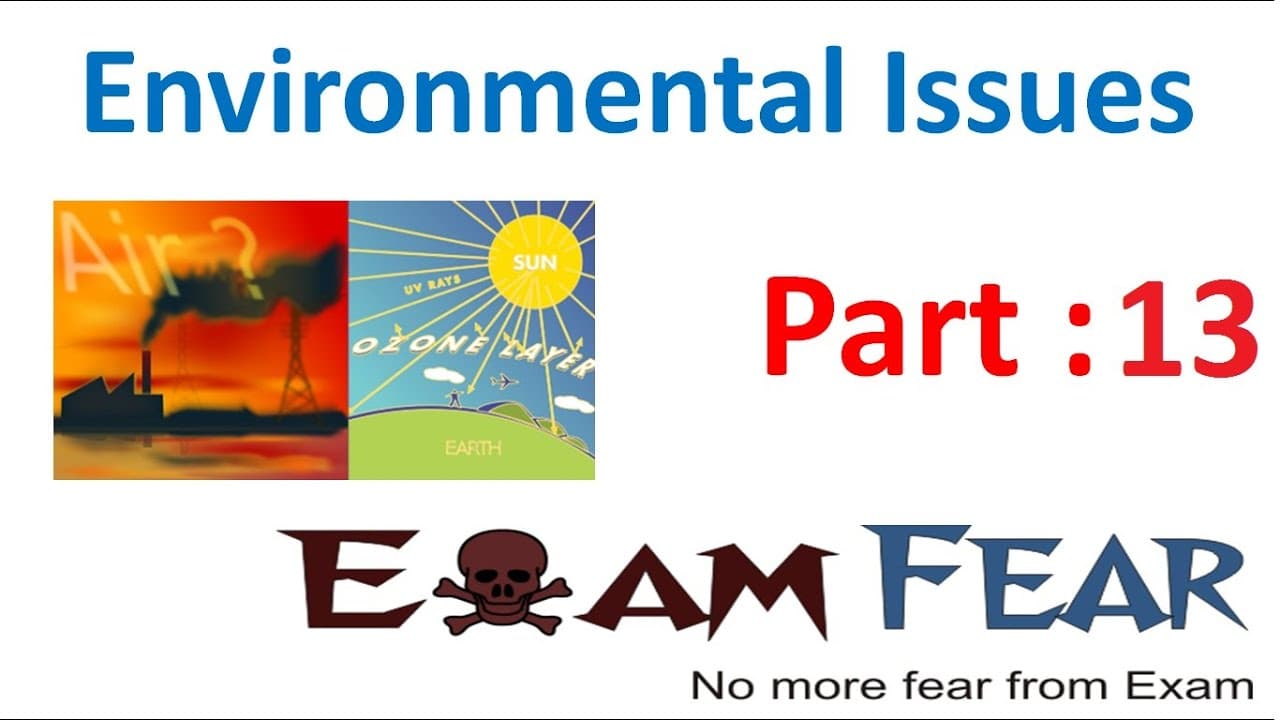
Biology Environmental Issues part 13 (Solid Wastes) class 12 XII
TL;DR
Improper solid waste disposal can lead to environmental issues such as air and water pollution, and landfills are becoming insufficient in handling the increasing amount of waste.
Transcript
hello friends this video on environmental issues part 13 is brought to you by exam feel calm no more fear from exam so now that we have discussed about water pollution as well so it is time to discuss about solid wastes we also saw that solid wastes is another important threat or another important environmental issue so how solid wastes interfere w... Read More
Key Insights
- 🗑️ Solid waste is a significant environmental issue that interferes with the normal functioning of the environment.
- 🗑️ Different categories of solid waste include domestic, industrial, community, agricultural, and electronic waste.
- 🤗 Municipalities primarily dispose of solid waste through methods such as open burning or sanitary landfills.
- 🤗 Sanitary landfills are preferred over open burning dumps due to reduced air pollution, but they have drawbacks like insufficient availability and potential groundwater pollution.
- 🗑️ The increasing amount of waste generated by a growing population poses a challenge for proper solid waste disposal.
- 🍉 Non-biodegradable materials like plastics remain in landfills, contributing to long-term environmental issues.
- 🫢 Open burning dumps cause air pollution due to the release of undesirable particles and gases.
Install to Summarize YouTube Videos and Get Transcripts
Explore YouTube Video Summarizer or Get YouTube Transcript Extractor
Questions & Answers
Q: What are the different categories of solid waste?
Solid waste can be categorized as domestic waste (from households), industrial waste (from factories), community waste (from public places), agricultural waste (from farming activities), and electronic waste (from discarded electronic items).
Q: How do municipalities dispose of solid waste?
Municipalities collect the solid waste from households and can dispose of it through methods such as open burning or sanitary landfills. In open burning, the waste is burned in open spaces, causing air pollution. Sanitary landfills involve creating depressions in the ground and covering the waste with dirt daily.
Q: Why are sanitary landfills preferred over open burning dumps?
Sanitary landfills are preferred because they minimize air pollution compared to open burning dumps. By burying the waste in the ground with daily soil cover, the organic materials can degrade over time. However, non-biodegradable materials like plastics remain intact.
Q: What are the disadvantages of sanitary landfills?
Sanitary landfills have two main disadvantages. Firstly, the number of landfills is insufficient to handle the increasing amount of waste generated by a growing population. Secondly, there is a risk of groundwater pollution as chemicals and toxic substances from the waste can seep through the soil into underground water sources.
Summary & Key Takeaways
-
Solid waste consists of everyday items discarded by the public and includes domestic, industrial, community, agricultural, and electronic waste.
-
Municipalities collect solid waste from households and dispose of it through methods such as open burning or sanitary landfills.
-
Sanitary landfills are preferred over open burning dumps but have disadvantages such as insufficient availability and the potential for groundwater pollution.
Read in Other Languages (beta)
Share This Summary 📚
Summarize YouTube Videos and Get Video Transcripts with 1-Click
Try YouTube Summary with ChatGPT & Claude or YouTube Transcript Generator
Explore More Summaries from LearnoHub - Class 11, 12 📚


Summarize YouTube Videos and Get Video Transcripts with 1-Click
Try YouTube Summary with ChatGPT & Claude or YouTube Transcript Generator