Bears Have Babies While They’re Hibernating
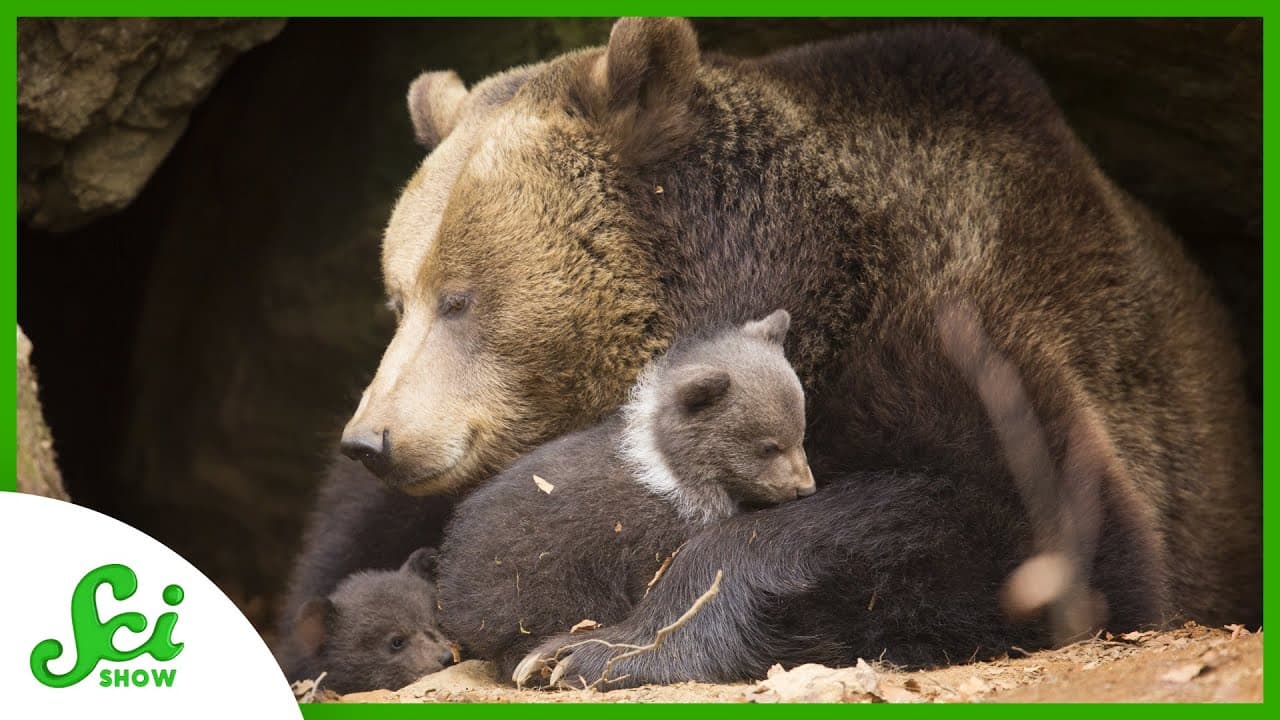
TL;DR
Bears enter a state of torpor, not true hibernation, during winter. Despite the harsh environment, they give birth in their dens, utilizing their fat reserves and minimizing vulnerability to predators.
Transcript
[♪ INTRO] Bears forgo a lot of activities to conserve their energy in the winter when food is scarce - even important bodily functions like eating, and peeing, and pooping. But they aren’t just saving energy for an extra-long nap - they also give birth during hibernation. Yeah, bears have their babies while they’re tucked away in their dens for... Read More
Key Insights
- 😋 Bears enter a state of torpor called hibernation during winter to conserve energy when food is scarce.
- 🛩️ Unlike smaller hibernators, bears only experience a small drop in body temperature during hibernation.
- 🧔 Bears are capable of reacting quickly to potential threats despite being in a state of reduced activity.
- 🥰 A pregnant bear's heart rate increases as the pregnancy progresses, and she moves less to avoid harming the cubs.
- 👨 The success of a female bear's pregnancy is closely related to the fat stores she has accumulated before hibernation.
- 👻 Delaying pregnancy until conditions are right allows female bears to avoid expending energy they don't have.
- 🥳 Giving birth during hibernation protects the vulnerable cubs from predators.
Install to Summarize YouTube Videos and Get Transcripts
Explore YouTube Video Summarizer or Get YouTube Transcript Extractor
Questions & Answers
Q: What is the difference between torpor and hibernation?
Torpor is a period of reduced activity triggered by adverse environments and food scarcity, whereas hibernation refers to an extended period of torpor that can last for days, weeks, or months.
Q: How do bears respond to threats during hibernation?
Despite their appearance of deep sleep, bears remain aware of their surroundings, and their heart rates increase when potential dangers are detected.
Q: Why do pregnant bears move less once the cubs are born?
Pregnant bears move less to avoid accidentally harming the cubs, focusing on providing warmth and a constant milk supply.
Q: How do bears sustain themselves and the cubs during hibernation?
Bears build up a massive fat store before hibernation, slowly metabolizing it for sustenance and converting waste products into proteins to maintain muscle and organ function.
Summary & Key Takeaways
-
Bears go into a state of torpor during winter to conserve energy when food is scarce, but they still give birth during hibernation.
-
Torpor is a period of reduced activity triggered by adverse environments and food scarcity, causing a decrease in metabolism, breathing, and heart rate.
-
Pregnant bears experience increased heart rates during pregnancy, move less to avoid harming cubs, and provide for themselves and the cubs by metabolizing their fat stores.
Read in Other Languages (beta)
Share This Summary 📚
Summarize YouTube Videos and Get Video Transcripts with 1-Click
Try YouTube Summary with ChatGPT & Claude or YouTube Transcript Generator
Explore More Summaries from SciShow 📚


Summarize YouTube Videos and Get Video Transcripts with 1-Click
Try YouTube Summary with ChatGPT & Claude or YouTube Transcript Generator