Competitive Cities: What Can Measure & What We Can't - Professor Tony Travers
TL;DR
Major cities compete for economic power, political influence, cultural impact, and lifestyle attractiveness, while also collaborating in experimentation and innovation.
Transcript
thank you Michael and good afternoon everybody it's a great honor to speak immediately after the Lord Mayor and listening to the Lord we're talking about st. clement's churches because the LSE lives opposite another st. Clement Church Sinclair Danes and it too plays out the full chime of oranges and lemons say the bells of st. Clements at least onc... Read More
Key Insights
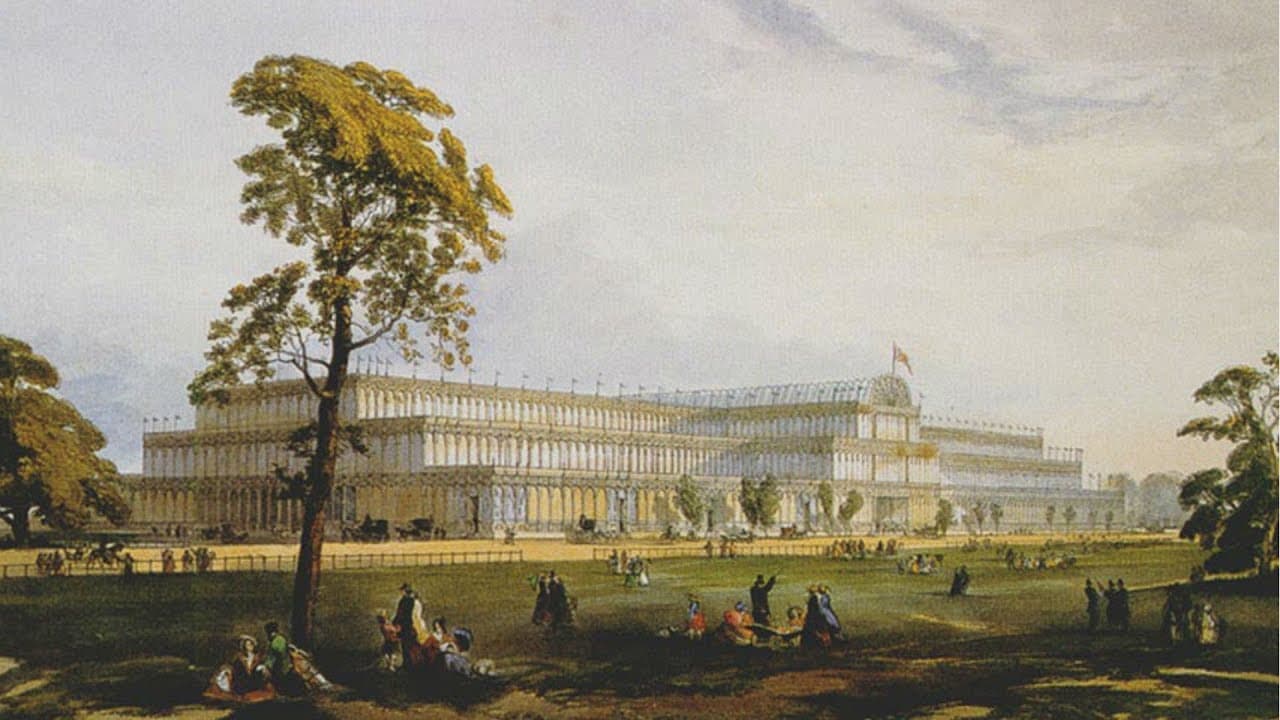
- ✊ Major cities have a long history of competing and showcasing their power, whether it be through exhibitions, architectural landmarks, or cultural institutions.
- 🐕🦺 Measuring the overall size and prospects of the economy, population, and output of public services helps gauge a city's competitiveness.
- 🖐️ Intangible factors, such as openness, tolerance, diversity, and quality of life, play a significant role in a city's appeal and competitiveness.
- 👮 Reputation, including politics, government stability, rule of law, and transparency, can attract investment and contribute to a city's competitiveness.
- 🏙️ Collaborative initiatives between cities enable experimentation, innovation, and economic growth.
- 🏙️ Cities should regularly assess their strengths and weaknesses to stay competitive and adapt to changing dynamics.
- 🌇 The rise of developing cities in other countries, such as Singapore, Shanghai, and Mumbai, poses a challenge to existing major cities, who should be aware of their rising rankings.
Install to Summarize YouTube Videos and Get Transcripts
Explore YouTube Video Summarizer or Get YouTube Transcript Extractor
Questions & Answers
Q: What are some of the key factors that cities compete for?
Major cities compete for economic power, political influence, market share, property development, retail offerings, lifestyle attractiveness, and cultural impact.
Q: Why is lifestyle an important element in city competition?
Lifestyle attributes, such as openness, tolerance, and diversity, contribute to a city's attractiveness to investors, residents, and visitors. It also fosters innovation and creativity.
Q: How can the reputation of a city affect its competitiveness?
A city's reputation, including its politics, government stability, rule of law, and transparency, can attract or deter investors. It can create a perception of safety, predictability, and trustworthiness.
Q: How do major cities collaborate with each other?
Major cities collaborate in experimentation and innovation, such as exchanging ideas for new goods and services. They also learn from each other's successes and failures and engage in cultural exchanges.
Summary & Key Takeaways
-
Major cities have a history of competing with each other, whether it be London showcasing its imperial power or New York building skyscrapers to symbolize American creativity.
-
Competition between cities encompasses economic power, political influence, market share, property development, and retail offerings.
-
Cities also compete in terms of lifestyle factors, such as openness, tolerance, diversity, and quality of life.
Read in Other Languages (beta)
Share This Summary 📚
Summarize YouTube Videos and Get Video Transcripts with 1-Click
Try YouTube Summary with ChatGPT & Claude or YouTube Transcript Generator
Explore More Summaries from Gresham College 📚


Summarize YouTube Videos and Get Video Transcripts with 1-Click
Try YouTube Summary with ChatGPT & Claude or YouTube Transcript Generator