Launch of the Landsat 9 Earth-Observing Satellite (Official NASA Broadcast)
TL;DR
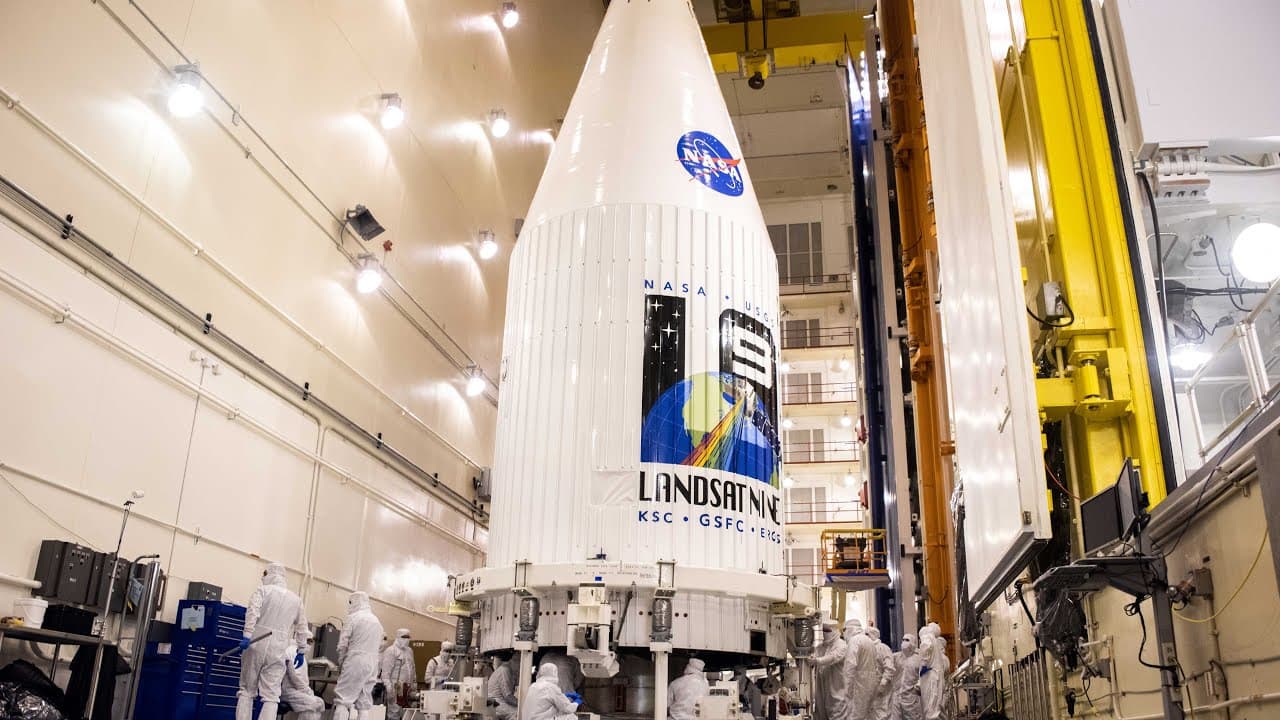
Landsat 9 is launched into space, joining the decades-long legacy of data collection on Earth's forests, farms, cities, and water. The satellite will provide invaluable information for understanding climate change, managing agriculture, and responding to natural disasters.
Transcript
live from the Central Coast of California this is NASA's launch coverage of landsat 9. foreign just about 40 minutes this Atlas V rocket will launch landsat 9 into space to show us Earth from above and help us take better care of our home planet the Earth observation satellite will add to a decades-long portfolio of data on our forests Farms cities... Read More
Key Insights
- 💦 Landsat 9 is a vital tool for monitoring Earth's resources, understanding climate change, and managing agriculture and water resources.
- 🤗 The satellite's data is free and open to the public, making it accessible for scientific research and policy-making.
- 🍉 Landsat's continuous data collection spans almost 50 years, providing a valuable long-term record of Earth's changes.
- 💋 The launch of Landsat 9 marks a significant milestone for both NASA and the U.S. Geological Survey.
Install to Summarize YouTube Videos and Get Transcripts
Explore YouTube Video Summarizer or Get YouTube Transcript Extractor
Questions & Answers
Q: How long has Landsat been collecting data on Earth?
The Landsat program started in 1972, making it the longest continuous observation of Earth from space.
Q: How is Landsat's data used in climate change research?
Landsat helps scientists track shrinking glaciers, monitor coastal waters, and study the impact of land use changes caused by climate change.
Q: How does Landsat's data benefit agriculture?
Landsat's data is used to monitor crop health, calculate water usage, and manage irrigation systems, helping farmers optimize their yields and improve water efficiency.
Q: How is Landsat's data valuable for managing natural disasters?
Landsat's data helps track the impact of natural disasters, such as wildfires and floods, allowing for better response and recovery efforts.
Summary & Key Takeaways
-
Landsat 9 continues the legacy of continuous Earth observation started by its predecessor in 1972.
-
The satellite will monitor natural and economic resources, providing data for climate change research, agriculture management, and water resource allocation.
-
Landsat's archive of data is free and accessible to the public, making it a valuable resource for scientists, researchers, and policymakers.
Read in Other Languages (beta)
Share This Summary 📚
Summarize YouTube Videos and Get Video Transcripts with 1-Click
Try YouTube Summary with ChatGPT & Claude or YouTube Transcript Generator
Explore More Summaries from NASA 📚

Summarize YouTube Videos and Get Video Transcripts with 1-Click
Try YouTube Summary with ChatGPT & Claude or YouTube Transcript Generator