Polyelectrolyte Multilayers
TL;DR
MIT engineers are developing materials that promote bone regeneration using layer-by-layer assembly techniques.
Transcript
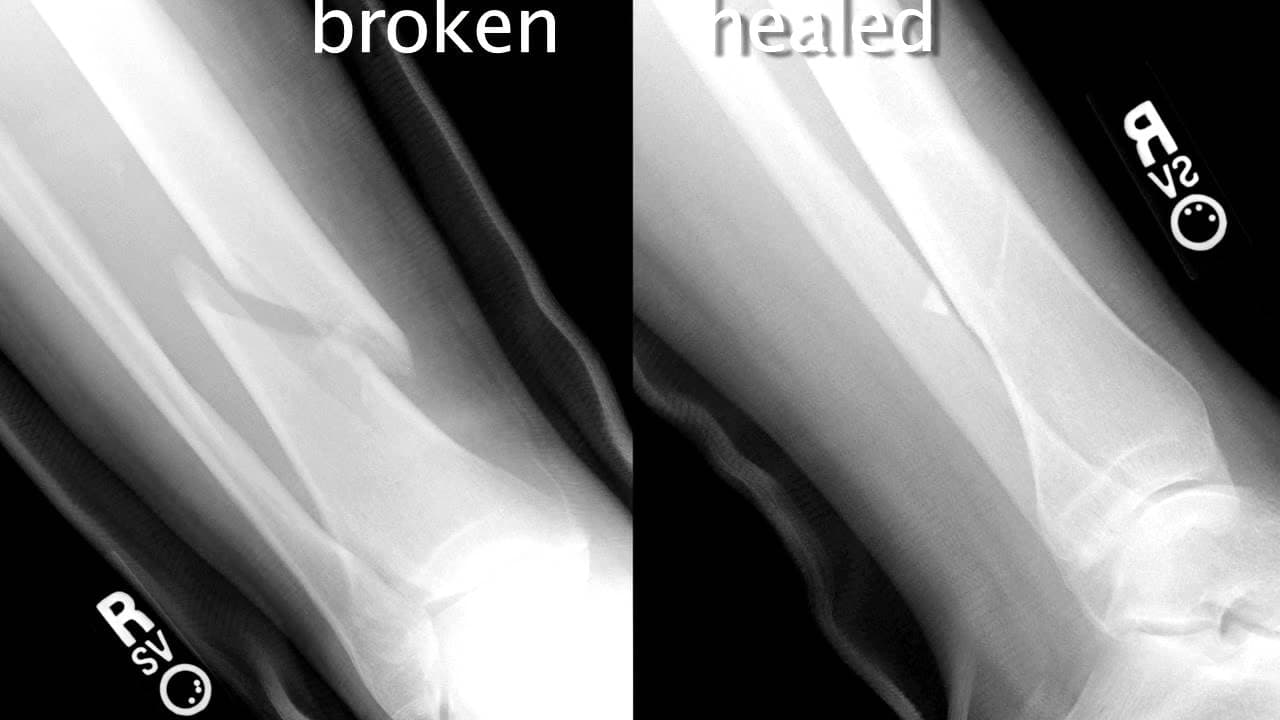
82% of soldiers in battle suffer from traumatic limb injuries. Many of these injuries are large bone defects. Engineers at MIT are trying to create materials that mimic the function of the bone's natural healing processes. The structure and properties of these materials promote bone regeneration. This video is part of the Structure-Function-Propert... Read More
Key Insights
- ☠️ 82% of soldiers in battle suffer from traumatic limb injuries, and engineers at MIT are working on developing materials to address large bone defects.
- 🎥 Layer-by-layer assembly is a technique that utilizes electrostatic interactions to create films of different chemical species with alternating charges.
- 💁 Polymers are commonly used in layer-by-layer assembly due to their stability and ability to form interlocking structures.
- 🈂️ The choice of polymers and molecules for layer-by-layer assembly depends on their pKa and appropriate assembly conditions to achieve the desired charge.
- ☠️ Large bone defects require intervention therapies, and the researchers aim to create scaffolds that stimulate the growth of new bone tissue.
- ❓ The scaffolds consist of a polymer mixed with calcium phosphate to promote cell attachment, growth, and migration.
- ☠️ The multilayered film on the scaffold surface contains biological molecules, such as bone morphogenetic protein-2, that stimulate bone tissue production.
Install to Summarize YouTube Videos and Get Transcripts
Explore YouTube Video Summarizer or Get YouTube Transcript Extractor
Questions & Answers
Q: What is the purpose of layer-by-layer assembly in bone regeneration?
Layer-by-layer assembly is used to create films that deliver biological molecules to stimulate bone growth on the surface of scaffolds, promoting bone regeneration in large defects.
Q: How do pH and pKa play a role in the design of materials for bone regeneration?
pH and pKa are important considerations in selecting polymers and molecules for layer-by-layer assembly, as they determine the desired charge and interactions between layers.
Q: What is the main problem that the researchers are trying to solve in bone regeneration?
The researchers aim to bridge large bone defects by developing a scaffold that stimulates the growth of new bone tissue, eliminating the need for grafting from other sources.
Q: What did the experiments with coated scaffolds in rat quadriceps muscles show?
The experiments demonstrated the deposition of bone minerals and collagen on the scaffolds, indicating successful bone growth stimulation within a short period.
Summary & Key Takeaways
-
Engineers at MIT are working on developing materials that mimic the bone's natural healing processes to promote bone regeneration.
-
The layer-by-layer assembly technique is used to create films on the surfaces of scaffolds that deliver biological molecules to stimulate bone growth.
-
These materials have the potential to bridge large bone defects and replace the need for grafting from other sources.
Read in Other Languages (beta)
Share This Summary 📚
Summarize YouTube Videos and Get Video Transcripts with 1-Click
Try YouTube Summary with ChatGPT & Claude or YouTube Transcript Generator
Explore More Summaries from MIT OpenCourseWare 📚



Summarize YouTube Videos and Get Video Transcripts with 1-Click
Try YouTube Summary with ChatGPT & Claude or YouTube Transcript Generator