First Rental? Security Deposits, Credit Checks, & Renovations 101
TL;DR
Discussion on managing rentals, security deposits, and tenant checks.
Transcript
this is real estate rookie episode 332 how much should I charge for a security deposit the first thing that you need to do is know what you are allowed to charge per your state laws a really really great resource is a.co it will actually tell you what your state laws are does this only cover damages for the security deposit so that's what you would... Read More
Key Insights
- Understanding state laws is crucial when determining security deposit amounts. Each state has different regulations, and it's essential to comply to avoid legal issues.
- Itemizing potential charges in the lease agreement can help manage tenant expectations and reduce disputes over security deposits.
- Using third-party software for tenant screening can protect landlords from liability related to handling sensitive information like social security numbers.
- HELOCs (Home Equity Lines of Credit) can be a useful tool for property investment, but it's important to understand the terms, especially if planning to move.
- There are specific legal processes for transferring property ownership into an LLC, which may not always require an attorney but must comply with state requirements.
- Renovating rental properties can increase rental income, but it's important to balance the cost of upgrades with the potential increase in rent.
- Tenant background and credit checks are crucial for selecting reliable tenants, and many property management software solutions offer integrated screening tools.
- Fair housing laws require consistent criteria for tenant selection to avoid discrimination claims, and landlords should be aware of these regulations.
Install to Summarize YouTube Videos and Get Transcripts
Explore YouTube Video Summarizer or Get YouTube Transcript Extractor
Questions & Answers
Q: What should you consider when setting a security deposit?
When setting a security deposit, it's crucial to understand and comply with state-specific laws regarding the maximum amount you can charge. Additionally, itemizing potential charges in the lease agreement can help manage tenant expectations and reduce disputes over deposit deductions.
Q: How can landlords protect themselves when collecting tenant information?
Landlords can protect themselves by using third-party software for tenant screenings, which can handle sensitive information like social security numbers securely. This reduces the risk of liability related to data breaches and ensures compliance with privacy regulations.
Q: What are the benefits of using a HELOC for property investment?
A HELOC can provide flexible access to capital for property investments, allowing investors to fund renovations or purchase additional properties. However, it's important to understand the terms, especially if planning to move, as this can affect the line of credit.
Q: How should property ownership be transferred into an LLC?
Transferring property ownership into an LLC typically involves updating the deed to reflect the LLC as the owner. This process may not always require an attorney, but it's important to ensure compliance with state-specific legal requirements to avoid potential issues.
Q: When is it worth renovating a rental property?
Renovating a rental property can be worth it if the cost of upgrades is justified by a significant increase in rental income. Landlords should calculate the potential return on investment and ensure the renovations align with market demand and tenant expectations.
Q: What tools are recommended for tenant background checks?
Many property management software solutions offer integrated tools for tenant background and credit checks. These tools can streamline the screening process and provide landlords with reliable information to select trustworthy tenants while ensuring compliance with fair housing laws.
Q: How can landlords ensure compliance with fair housing laws?
Landlords should establish consistent criteria for tenant selection to avoid discrimination claims. This includes using objective measures like credit scores and income requirements, and documenting the criteria to demonstrate compliance with fair housing laws if challenged.
Q: What should landlords do if a tenant terminates their lease early?
If a tenant terminates their lease early, landlords should refer to the lease agreement for any clauses related to early termination. They may be able to retain the security deposit or require the tenant to pay rent until a new tenant is found, depending on the terms outlined in the lease.
Summary & Key Takeaways
-
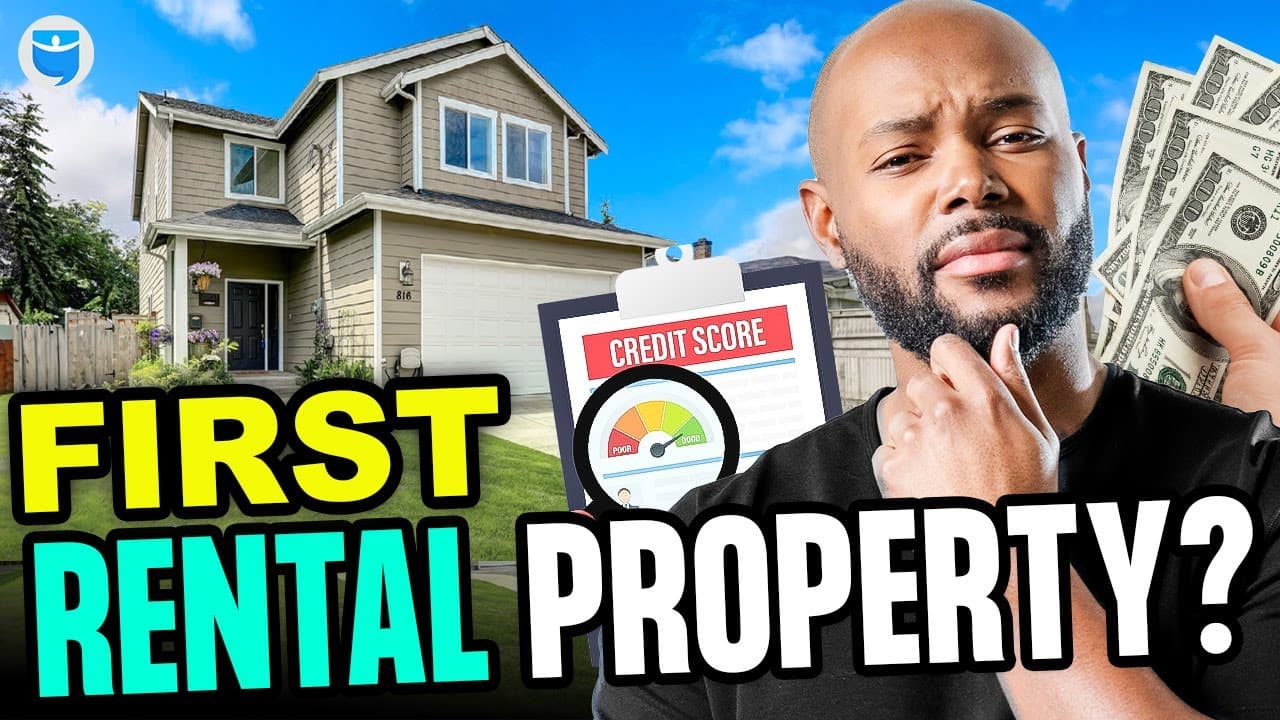
This episode of Real Estate Rookie discusses essential aspects of managing rental properties, including how to handle security deposits and tenant screenings. Hosts Ashley and Tony provide insights on navigating state laws and using property management software for efficient operations.
-
Listeners are advised to itemize charges in lease agreements to manage tenant expectations and ensure compliance with state regulations regarding security deposits. The episode also highlights the importance of using third-party software for tenant screenings to protect sensitive information.
-
The hosts discuss the benefits and considerations of using HELOCs for property investments and the legal process of transferring property ownership into an LLC. They emphasize the importance of balancing renovation costs with potential rental income increases.
Read in Other Languages (beta)
Share This Summary 📚
Summarize YouTube Videos and Get Video Transcripts with 1-Click
Try YouTube Summary with ChatGPT & Claude or YouTube Transcript Generator
Explore More Summaries from Real Estate Rookie 📚






Summarize YouTube Videos and Get Video Transcripts with 1-Click
Try YouTube Summary with ChatGPT & Claude or YouTube Transcript Generator