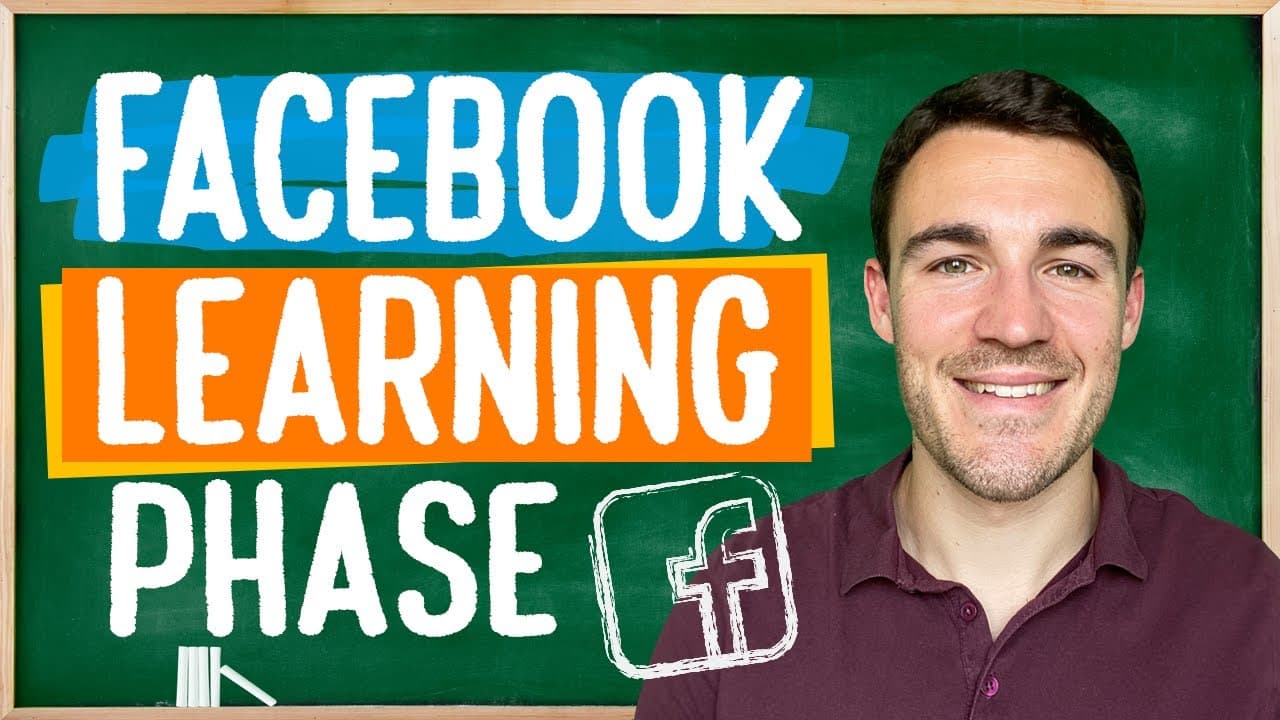
What Are the Dos and Don'ts of Facebook's Learning Phase?
TL;DR
Understanding the dos and don'ts of Facebook's learning phase is essential for optimizing ad performance. Advertisers should embrace this phase, as it allows the system to learn about the best audience and timing, leading to greater efficiency and lower costs over time. However, frequent adjustments can destabilize results; aiming for changes every 7-14 days promotes better overall performance.
Transcript
hi guys it's ben heath from lead guru and in this video i'm going to talk about the do's and don'ts of the learning phase facebook's learning phase there are an enormous amount of misconception when it comes to facebook's learning phase what you should do to your facebook ad campaigns what you shouldn't do how it works i'm going to clear those up a... Read More
Key Insights
- Facebook's learning phase helps optimize ad delivery by testing various parameters like audience and timing.
- Advertisers should not fear the learning phase; it's crucial for improving ad performance over time.
- Initial ad performance may be volatile and costly, but stability and lower costs often follow with time.
- Frequent campaign adjustments can hinder stability; changes should be made every 7-14 days.
- Learning phase duration varies with budget and results; larger budgets can shorten this phase.
- Learning limited status may not always be accurate; campaigns can still perform well under this label.
- Balancing adjustments and stability is key; avoid constant tweaks to prevent perpetual learning phases.
- Testing new ads and targeting is essential; the benefits outweigh the temporary instability of entering the learning phase.
Install to Summarize YouTube Videos and Get Transcripts
Explore YouTube Video Summarizer or Get YouTube Transcript Extractor
Questions & Answers
Q: What is the Facebook learning phase?
The Facebook learning phase is a period where the ad delivery system gathers data to optimize ad performance. During this time, Facebook tests various parameters like audience segments, timing, and placements to find the best combination for achieving the desired results. This phase is crucial for improving the effectiveness and efficiency of ad campaigns.
Q: Why should advertisers not fear the learning phase?
Advertisers should not fear the learning phase because it is an essential process that helps optimize ad delivery and performance. Although initial results may be volatile and more costly, the learning phase ultimately leads to better targeting, lower costs, and more consistent performance over time. Understanding and embracing this phase can lead to more successful ad campaigns.
Q: How often should advertisers adjust their campaigns?
Advertisers should aim to adjust their campaigns approximately every 7 to 14 days, depending on their budget and campaign size. Frequent adjustments can lead to perpetual re-entry into the learning phase, which may hinder performance. By spacing out changes, advertisers allow the learning phase to stabilize and optimize results effectively.
Q: What is learning limited status in Facebook ads?
Learning limited status occurs when an ad set isn't generating enough optimization events to exit the learning phase. While it may seem concerning, this status doesn't necessarily indicate poor performance. Advertisers should assess whether the status is accurate and consider whether making changes to exit learning limited would genuinely benefit their campaign.
Q: Can campaigns perform well under learning limited status?
Yes, campaigns can still perform well under learning limited status. This label doesn't always accurately reflect the campaign's potential or current success. In some cases, the measures taken to exit learning limited, such as drastically increasing budgets or broadening audiences, may negatively impact overall performance. Advertisers should carefully evaluate the situation before making significant changes.
Q: What role does budget play in the learning phase duration?
Budget plays a significant role in the duration of the learning phase. Larger budgets can shorten the learning phase as they generate more optimization events quickly, allowing Facebook to gather data and optimize ad delivery faster. Conversely, smaller budgets may extend the learning phase due to slower data collection, requiring more time for optimization.
Q: How does the learning phase affect ad cost and stability?
During the learning phase, ad cost and performance can be volatile as Facebook tests various parameters to find the optimal combination. Initially, costs may be higher, and results less stable. However, as the learning phase progresses and Facebook refines its targeting, costs typically decrease, and performance becomes more consistent, leading to better overall results.
Q: Why is testing new ads and targeting important despite the learning phase?
Testing new ads and targeting is crucial because it helps identify the most effective combinations for reaching the desired audience and achieving campaign goals. Despite the temporary instability caused by entering the learning phase, the insights gained from testing can lead to significant improvements in ad performance and cost-effectiveness, making it a worthwhile endeavor.
Summary & Key Takeaways
-
The Facebook learning phase is a crucial period where the ad delivery system optimizes performance by learning about the best audience and timing for ads. While initial results may be volatile, this phase is necessary for achieving long-term stability and reduced costs.
-
Advertisers should not fear the learning phase; understanding it helps in making informed decisions about campaign adjustments. Frequent changes should be avoided to prevent constant re-entry into the learning phase, which can hinder performance.
-
Learning limited status, often misunderstood, does not necessarily indicate poor performance. Campaigns can still succeed under this label. Balancing campaign stability with necessary adjustments is essential for optimal ad performance and cost-effectiveness.
Read in Other Languages (beta)
Share This Summary 📚
Summarize YouTube Videos and Get Video Transcripts with 1-Click
Try YouTube Summary with ChatGPT & Claude or YouTube Transcript Generator
Explore More Summaries from Ben Heath 📚
Summarize YouTube Videos and Get Video Transcripts with 1-Click
Try YouTube Summary with ChatGPT & Claude or YouTube Transcript Generator