The Liquid Bomb Plot (Crime Documentary) | Real Stories
TL;DR
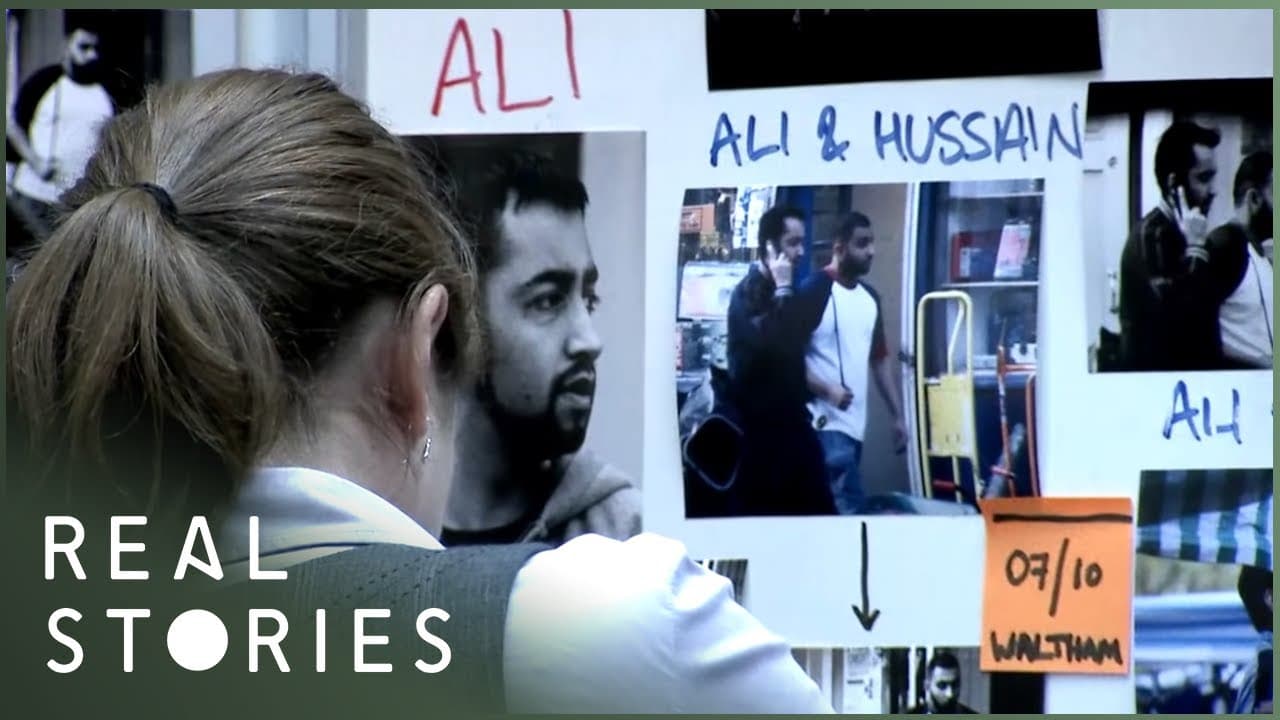
A UK terrorist plot to bomb planes was foiled, saving thousands.
Transcript
I said do you understand for what happened if we must calculate there will be a huge and tragic loss of life and the government will fall it is difficult to be one of the handful of people who understands what this threat is what was fighting for me was the terrorists had a totally new way to conduct that time we realized they had figured out a way... Read More
Key Insights
- The liquid bomb plot was an innovative terrorist strategy involving liquid explosives disguised as soft drinks, targeting transatlantic flights.
- Ahmed Ali Khan, a key figure, was under surveillance due to his connections with known extremists and suspicious travel to Pakistan.
- The plot involved 18 to 19 individuals, indicating a large-scale operation reminiscent of the 9/11 attacks.
- The UK and US intelligence agencies collaborated closely, sharing resources and intelligence to thwart the plot.
- The decision to arrest was a complex balance between gathering enough evidence and preventing a potential attack.
- The arrests were conducted by unarmed officers, highlighting the careful planning and risk involved in the operation.
- Rashid Rauf, the plot's controller from Pakistan, was arrested, accelerating the need for action in the UK.
- The plot's exposure led to significant changes in airport security, including restrictions on carrying liquids.
Install to Summarize YouTube Videos and Get Transcripts
Explore YouTube Video Summarizer or Get YouTube Transcript Extractor
Questions & Answers
Q: What was the main strategy of the terrorist plot?
The main strategy of the terrorist plot was to use liquid explosives disguised as soft drinks to bomb transatlantic flights. The plot aimed to detonate these devices mid-air, causing the planes to explode and leading to massive casualties. This innovative method posed a significant challenge to security measures at the time.
Q: Who was Ahmed Ali Khan and what was his role?
Ahmed Ali Khan was a key figure in the terrorist plot. He was identified as a person of interest due to his connections with known extremists and his travel to Pakistan. Khan was under surveillance and played a central role in coordinating the plot, including communication with the plot's controller, Rashid Rauf, in Pakistan.
Q: How did the UK and US intelligence agencies collaborate?
The UK and US intelligence agencies collaborated closely by sharing resources and intelligence to thwart the terrorist plot. The US provided support through its extensive global intelligence network, while the UK focused on local surveillance and investigation. This partnership was crucial in identifying the plot's scope and preventing the attack.
Q: What was the significance of the decision to arrest the suspects?
The decision to arrest the suspects was significant because it involved balancing the need for sufficient evidence to secure convictions with the urgency of preventing a potential attack. The authorities had to act quickly once they realized the plot was nearing execution, leading to a coordinated operation that successfully apprehended the suspects.
Q: What role did Rashid Rauf play in the plot?
Rashid Rauf was the plot's controller, providing strategic direction from Pakistan. He was in constant communication with Ahmed Ali Khan and other plotters, advising them on the operation. Rauf's arrest in Pakistan was a critical turning point, prompting UK authorities to accelerate their plans to apprehend the suspects in Britain.
Q: How did the plot impact airport security measures?
The exposure of the liquid bomb plot led to significant changes in airport security measures, particularly regarding the transportation of liquids. Restrictions were implemented on the amount of liquid passengers could carry, a precaution that remains in place today. This was a direct response to the innovative method of using liquid explosives.
Q: What challenges did the authorities face during the operation?
The authorities faced several challenges, including maintaining surveillance without alerting the suspects, coordinating a large-scale operation with unarmed officers, and making the critical decision of when to arrest. They also had to ensure international cooperation, particularly with US intelligence, while managing the potential risk of the suspects executing the plot.
Q: What was the outcome of the arrests and subsequent trials?
The arrests led to the successful prevention of the terrorist plot, and several individuals were convicted of terrorist offenses. The trials produced a massive amount of evidence, highlighting the plot's complexity and the extent of the planned attack. The operation was considered a significant success in counter-terrorism efforts, demonstrating the effectiveness of international intelligence collaboration.
Summary & Key Takeaways
-
In August 2006, UK authorities foiled a terrorist plot involving liquid explosives disguised as soft drinks, targeting transatlantic flights. The plot was orchestrated by a cell of 18 to 19 individuals and aimed to cause massive casualties, reminiscent of 9/11.
-
Ahmed Ali Khan and his associates were under surveillance due to their connections with extremist groups and suspicious activities. The UK and US intelligence agencies worked closely, sharing resources and intelligence to prevent the attack.
-
The decision to arrest the suspects was a complex balance between gathering evidence and preventing an imminent attack. The operation, conducted by unarmed officers, was successful, leading to significant changes in airport security measures.
Read in Other Languages (beta)
Share This Summary 📚
Summarize YouTube Videos and Get Video Transcripts with 1-Click
Try YouTube Summary with ChatGPT & Claude or YouTube Transcript Generator
Explore More Summaries from Real Stories 📚






Summarize YouTube Videos and Get Video Transcripts with 1-Click
Try YouTube Summary with ChatGPT & Claude or YouTube Transcript Generator