Are You Teaching People to Mistreat You Without Realizing It?
TL;DR
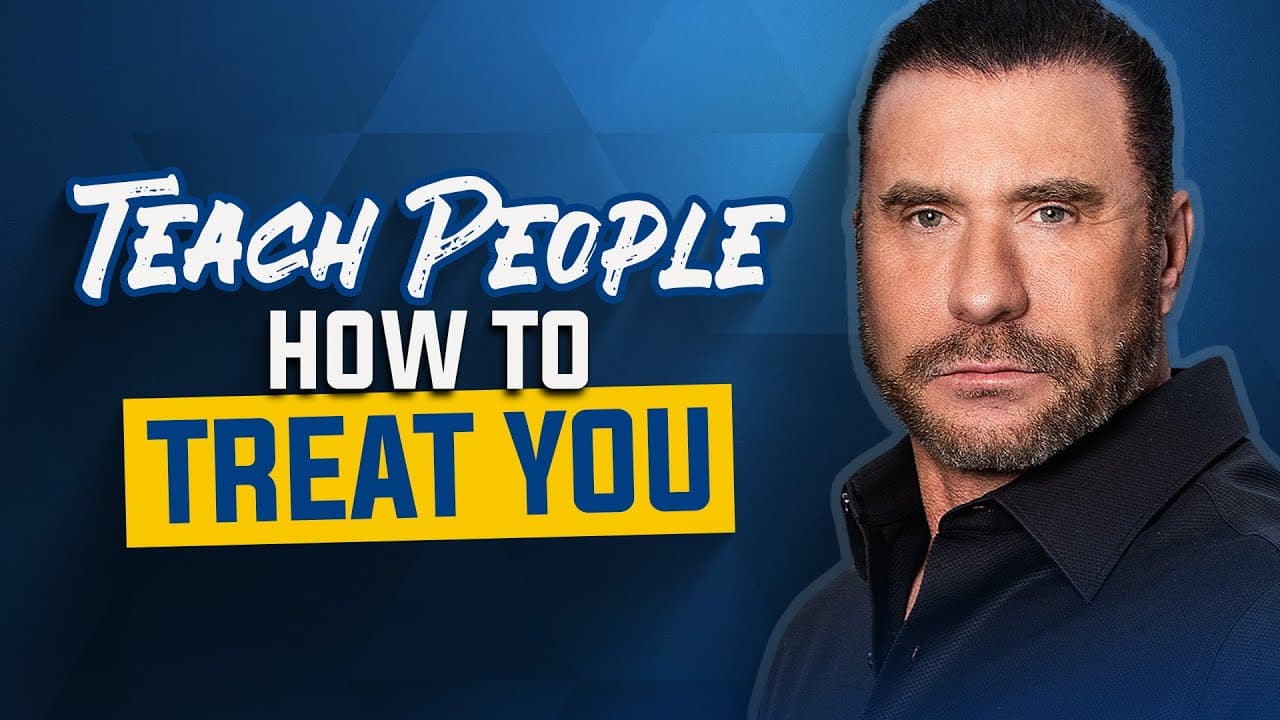
You teach people how to treat you; set boundaries.
Transcript
do you have anybody in your life treating you in a way that's less than you're worthy of right now I want to tell you that you are teaching them how to treat you and that has to stop you need to teach them how to treat you when you give them all these opportunities if it isn't changing you need to separate from them or exit from them focus on how y... Read More
Key Insights
- People often teach others how to treat them by tolerating disrespect, which must be stopped to improve self-worth.
- Establishing clear boundaries and expressing standards upfront is crucial for healthy relationships.
- Immediate correction of poor behavior helps in setting a precedent for acceptable interactions.
- Confrontation, when handled with candor and respect, can resolve issues and improve relationships.
- Reinforcing positive behavior encourages others to continue treating you well.
- If relationships remain unhealthy despite efforts, it might be necessary to separate or exit.
- Observing actions rather than words can reveal true intentions and behaviors in relationships.
- Self-reflection is vital to ensure one is not treating others poorly or allowing mistreatment.
Install to Summarize YouTube Videos and Get Transcripts
Explore YouTube Video Summarizer or Get YouTube Transcript Extractor
Questions & Answers
Q: How can you teach people to treat you with respect?
You can teach people to treat you with respect by setting clear boundaries and expressing your standards upfront. It is essential to communicate your expectations and correct any poor behavior immediately. Reinforcing positive behavior and being willing to confront issues with candor and respect can also help in maintaining respectful relationships.
Q: What should you do if someone continues to treat you poorly?
If someone continues to treat you poorly despite your efforts to set boundaries and communicate your standards, it may be necessary to consider separating or exiting the relationship. Recognizing that some relationships may not change and prioritizing your well-being is crucial for maintaining self-worth and respect.
Q: Why is immediate correction of poor behavior important?
Immediate correction of poor behavior is important because it sets a precedent for what is acceptable in a relationship. By addressing issues as they arise, you prevent the normalization of disrespectful behavior and reinforce your boundaries and standards, ensuring that others understand how you expect to be treated.
Q: How can self-reflection improve your relationships?
Self-reflection can improve your relationships by helping you identify any behaviors or patterns that may contribute to being treated poorly. It encourages you to assess whether you are treating others with the respect they deserve and allows you to make necessary changes to foster healthier, more respectful interactions.
Q: What role does observing actions play in understanding relationships?
Observing actions rather than words plays a crucial role in understanding relationships because actions often reveal true intentions and behaviors. By focusing on what people do rather than what they say, you can gain a clearer understanding of their respect and commitment to the relationship, allowing you to respond accordingly.
Q: Why is it important to reinforce positive behavior?
Reinforcing positive behavior is important because it encourages others to continue treating you well. Acknowledging and appreciating when someone meets your standards or respects your boundaries reinforces the behavior, making it more likely to be repeated and fostering a healthier relationship dynamic.
Q: How can writing be used to address relationship issues?
Writing can be used to address relationship issues by providing a thoughtful and deliberate way to express your feelings and concerns. A handwritten note allows the recipient to reflect on your words in their own time and space, often making a deeper impact than verbal communication, which can sometimes be lost or misunderstood.
Q: What is the impact of withholding affection as a response to conflict?
Withholding affection as a response to conflict is a passive-aggressive behavior that can harm relationships. It is a cheap way to punish someone and does not effectively address the underlying issues. Instead, open communication and expressing your feelings directly are more constructive approaches to resolving conflicts and improving the relationship.
Summary & Key Takeaways
-
This content emphasizes the importance of teaching others how to treat you by setting clear boundaries and expressing your worth. It highlights the need for immediate correction of poor behavior and the importance of confrontation with grace and respect.
-
Reinforcing positive behavior and recognizing when to separate from unhealthy relationships are key takeaways. Observing actions rather than words and self-reflection are also crucial for maintaining healthy interactions.
-
The content encourages individuals to stand up for themselves and not tolerate disrespect. It also asks readers to reflect on their behavior towards others, promoting mutual respect and kindness in relationships.
Read in Other Languages (beta)
Share This Summary 📚
Summarize YouTube Videos and Get Video Transcripts with 1-Click
Try YouTube Summary with ChatGPT & Claude or YouTube Transcript Generator
Explore More Summaries from Ed Mylett 📚






Summarize YouTube Videos and Get Video Transcripts with 1-Click
Try YouTube Summary with ChatGPT & Claude or YouTube Transcript Generator