How Has the Human Genome Project Transformed Medicine?
TL;DR
The Human Genome Project has revolutionized medicine by enabling personalized treatments based on individual genetic differences. Since its completion in 2003, advancements in genomic technologies have made sequencing more accessible and affordable, improving patient outcomes in areas such as cancer treatment and rare diseases. Understanding the genome is an ongoing challenge, but it is essential for the future of personalized medicine.
Transcript
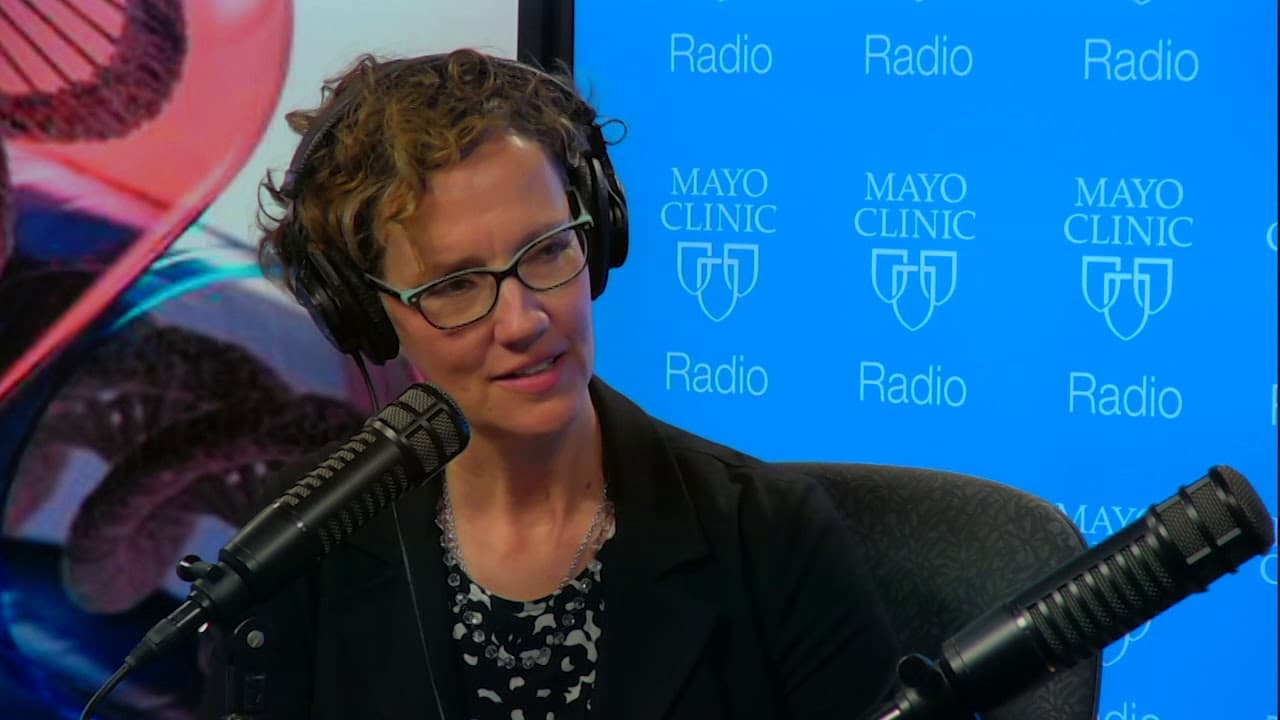
welcome to back to Mayo Clinic radio I'm Ian Roth and I'm Tracy McCray the human genome project was an international collaborative research program whose goal was the complete mapping and understanding of all the genes of human beings all our genes together are known as our genome we all have one with the human genome sequence complete since April ... Read More
Key Insights
- ‼️ The completion of the Human Genome Project in 2003 marked a significant milestone in genomics, providing a blueprint of human DNA.
- ⚖️ Sequencing technologies have advanced, reducing costs and enabling the analysis of large-scale genomic data.
- 😨 Understanding the human genome has transformed medicine by allowing personalized treatments and improving patient care.
- ✖️ Despite advancements, there is still much to learn about the complexities of the human genome, making it a multi-generational challenge.
- ♋ Genomic information has had a particular impact on cancer treatment, rare diseases, and pharmacogenomics.
- 🅰️ Non-invasive prenatal testing, using maternal blood samples, has become a widely used genomic test for detecting fetal genetic abnormalities.
- ⚖️ Large-scale studies and data collection are crucial for better predictive models and understanding the multifactorial nature of common diseases.
Install to Summarize YouTube Videos and Get Transcripts
Explore YouTube Video Summarizer or Get YouTube Transcript Extractor
Questions & Answers
Q: How does knowing a patient's genome affect their medical treatment?
Knowing a patient's genome allows for personalized medicine, as it helps identify genetic differences that influence disease risk and response to treatments. This information can guide medical decisions and improve patient outcomes.
Q: What advancements have been made since the completion of the Human Genome Project?
Since the project's completion, sequencing technologies have improved, reducing costs and enabling the sequencing of thousands of genomes. This data has been used to create catalogues of common genetic differences and understand the DNA basis of many diseases.
Q: Why is understanding the human genome considered a multi-generational process?
The human genome is incredibly complex, consisting of three billion ordered letters. While significant progress has been made in the past 15 years, we still have a limited understanding of how these letters encode the information for life. Continued research and interpretation will be necessary for a comprehensive understanding.
Q: How does genetic testing help patients with cancer, rare diseases, and medication response?
Genetic testing allows for a better understanding of individual cancers and helps tailor treatment plans accordingly. For rare diseases, genetic testing can identify the specific genomic changes causing the condition. Additionally, genetic differences can influence how individuals metabolize drugs, leading to pharmacogenomic testing for personalized medication selection.
Key Insights:
- The completion of the Human Genome Project in 2003 marked a significant milestone in genomics, providing a blueprint of human DNA.
- Sequencing technologies have advanced, reducing costs and enabling the analysis of large-scale genomic data.
- Understanding the human genome has transformed medicine by allowing personalized treatments and improving patient care.
- Despite advancements, there is still much to learn about the complexities of the human genome, making it a multi-generational challenge.
- Genomic information has had a particular impact on cancer treatment, rare diseases, and pharmacogenomics.
- Non-invasive prenatal testing, using maternal blood samples, has become a widely used genomic test for detecting fetal genetic abnormalities.
- Large-scale studies and data collection are crucial for better predictive models and understanding the multifactorial nature of common diseases.
- While routine genomic sequencing in healthcare may not be widespread yet, certain applications, such as cancer treatment and rare diseases, are becoming more common.
Summary & Key Takeaways
-
The Human Genome Project, completed in 2003, provided the first complete mapping of the human genome, allowing scientists to better understand genetic information.
-
The knowledge gained from the human genome has revolutionized patient care, as it enables personalized medicine based on individual genetic differences.
-
Advancements in genomic technologies have significantly reduced the cost of sequencing genomes, making it more accessible for clinical care.
Read in Other Languages (beta)
Share This Summary 📚
Summarize YouTube Videos and Get Video Transcripts with 1-Click
Try YouTube Summary with ChatGPT & Claude or YouTube Transcript Generator
Explore More Summaries from Mayo Clinic 📚



Summarize YouTube Videos and Get Video Transcripts with 1-Click
Try YouTube Summary with ChatGPT & Claude or YouTube Transcript Generator