What Is the Difference Between False Empathy and True Support?
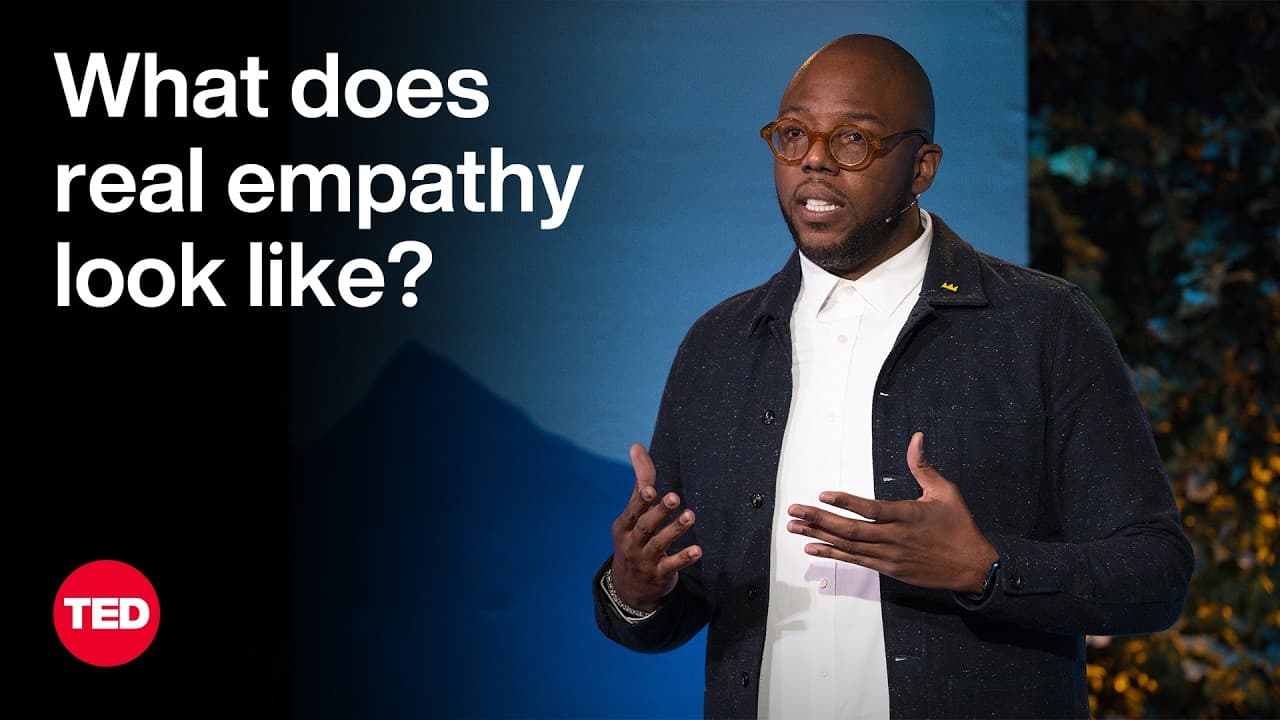
TL;DR
The difference between false empathy and true support lies in understanding and perspective-taking. True support involves actively listening, decentering oneself, and taking meaningful actions based on the recipient's needs, while false empathy occurs when one fails to grasp the other's experience, leading to ineffective interactions. Developing genuine empathy over time enhances relationships and outcomes.
Transcript
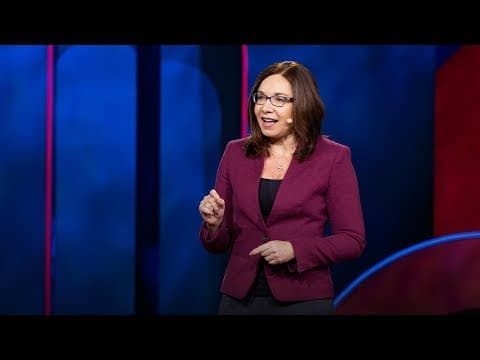
Has anybody else been wearing glasses your entire life? OK. And if not you, perhaps you know someone who has. Like, I cannot remember a time when I did not have these things, right? Exhibit A. (Laughter) And then -- ain't he cute? And then I remember turning 25 many moons ago, and I had this fabulous birthday party being planned, right? Chicago, pe... Read More
Key Insights
- ❓ Empathy is a combination of how we see (subjective) and what we see (objective).
- 🥺 False empathy occurs when we fail to truly understand others' perspectives and may lead to ineffective or harmful interactions.
- 🥡 Perspective taking is crucial in developing positive relationships, particularly in education, and can reduce exclusionary discipline and implicit bias.
- 👂 Empathy requires decentering ourselves and actively listening to others.
- 💁 Feedback from our actions driven by empathy should inform our subsequent interactions.
- ⌛ Empathy is a skill that can be developed and improved over time.
- 👀 Genuine empathy requires seeing with the right eyes, understanding the perspectives of others, and taking appropriate actions.
Install to Summarize YouTube Videos and Get Transcripts
Explore YouTube Video Summarizer or Get YouTube Transcript Extractor
Questions & Answers
Q: What is the difference between how we see and what we see in empathy?
How we see is subjective and influenced by our personal beliefs and values, while what we see is objective and based on physical observations. Both components are important in understanding others' perspectives.
Q: Can you provide an example of false empathy?
False empathy can be thinking that we understand others' problems better than they do or rushing to help someone without understanding the source of their distress. It is a conflict in perspective that can hinder genuine understanding and support.
Q: How can perspective taking improve student-teacher relationships?
Perspective taking allows teachers to see and hear students who are often marginalized, leading to innovative solutions to their problems. It can reduce exclusionary discipline and implicit bias and create a more inclusive and supportive classroom environment.
Q: How can we ensure that our actions driven by empathy are effective?
It is important to actively listen, engage in meaningful discourse, exercise humility, and be present. We should not assume that our actions will always be right but instead learn from the feedback we receive and adjust our interactions accordingly.
Summary & Key Takeaways
-
The speaker discusses the concept of empathy and its two components: how we see (subjective) and what we see (objective).
-
False empathy, where the empathizer fails to truly understand the perspective of the individual they aim to empathize with, can lead to ineffective or harmful interactions.
-
Teachers who demonstrate evidence of empathy, particularly with Black boys, show the importance of perspective taking, which improves relationships, reduces exclusionary discipline, and reduces implicit bias.
Read in Other Languages (beta)
Share This Summary 📚
Summarize YouTube Videos and Get Video Transcripts with 1-Click
Try YouTube Summary with ChatGPT & Claude or YouTube Transcript Generator
Explore More Summaries from TED 📚


Summarize YouTube Videos and Get Video Transcripts with 1-Click
Try YouTube Summary with ChatGPT & Claude or YouTube Transcript Generator