Como fazer LENTE MACRO para CELULAR usando água - Homemade macro lens for cell phones
TL;DR
Create a macro lens using just water for your phone.
Transcript
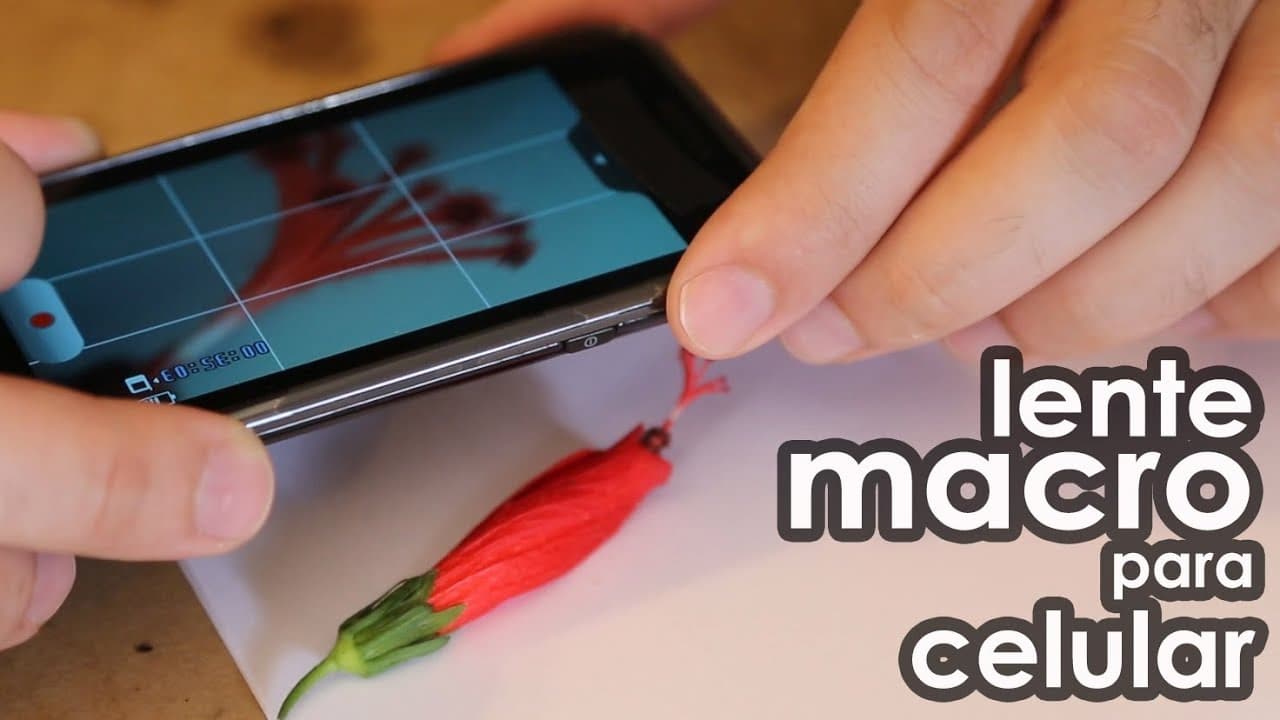
Today I teach to make a macro lens for your mobile. A macro lens is a lens that almost turns your phone into a microscope. You can see things very closely. Of a gigantic size. To do this lens you will need an ingredient to get a little complicated, but I am sure that you will find. A full glass of water. The only thing you will do is to take a smal... Read More
Key Insights
- A macro lens allows your phone to function almost like a microscope, capturing detailed close-ups.
- To create a macro lens, you need a single drop of water placed on your phone's camera lens.
- The water drop acts as a plano-convex lens, which magnifies objects significantly.
- Using this water lens, you can achieve extreme close-ups, almost touching the object with the lens.
- The technique requires ample lighting and results in a shallow depth of field, making focusing challenging.
- The magnification level depends on the size and amount of water used, allowing for experimentation.
- Excessive water can damage the phone, so careful application and testing are necessary.
- This DIY approach is a cost-effective way to explore macro photography using everyday materials.
Install to Summarize YouTube Videos and Get Transcripts
Explore YouTube Video Summarizer or Get YouTube Transcript Extractor
Questions & Answers
Q: What is the primary material needed to create the macro lens?
The primary material needed to create the macro lens is a drop of water. This drop is placed directly onto the phone's camera lens, transforming it into a plano-convex lens. This simple yet effective technique allows for significant magnification, turning the phone into a tool capable of capturing detailed close-up images.
Q: How does the water drop function as a macro lens?
The water drop acts as a plano-convex lens when placed on the phone's camera. It is flat on one side and convex on the other, similar to a magnifying glass. This configuration allows the lens to magnify objects significantly, enabling the phone to capture detailed, close-up images with enhanced clarity.
Q: What are the challenges of using a water drop as a macro lens?
One major challenge is ensuring sufficient lighting, as the water lens requires ample light to function effectively. Additionally, the shallow depth of field means that focusing can be difficult, with only a small region in sharp focus while the rest is blurred. Care must also be taken to prevent water from damaging the phone.
Q: How can the magnification level be adjusted?
The magnification level can be adjusted by varying the size and amount of water used on the lens. Experimenting with different water drop sizes allows users to achieve various levels of magnification, providing flexibility in capturing images with varying degrees of detail. However, caution is necessary to avoid excess water that may damage the phone.
Q: What precautions should be taken when using this method?
Precautions include ensuring that only a small amount of water is used to prevent it from spilling and damaging the phone. It's also important to handle the phone carefully to maintain the shape of the water drop and avoid losing the lens effect. Users should also be mindful of the lighting conditions to achieve the best results.
Q: What is the advantage of using a water drop lens over traditional macro lenses?
The primary advantage is cost-effectiveness, as the water drop lens uses readily available materials without the need for expensive equipment. This DIY approach allows users to experiment with macro photography using their existing devices, providing an accessible way to explore detailed close-up photography without significant investment.
Q: What are the limitations of this DIY macro lens technique?
Limitations include the need for a stable hand to maintain the water drop's shape and position. The shallow depth of field also limits the area in focus, making it challenging to capture moving subjects. Additionally, the requirement for ample lighting can restrict usage in low-light conditions, and there's a risk of water damage if not applied carefully.
Q: How does this method compare to other macro photography techniques?
Compared to other macro photography techniques, this method is highly accessible and cost-effective, requiring minimal materials. However, it lacks the precision and control offered by dedicated macro lenses. While it provides a unique and creative approach to macro photography, it may not match the quality and versatility of professional equipment in certain scenarios.
Summary & Key Takeaways
-
The video demonstrates how to create a macro lens for your phone using a simple drop of water. This technique transforms the phone into a tool capable of capturing detailed close-up images, similar to a microscope, by utilizing the water drop as a plano-convex lens.
-
The plano-convex lens created by the water drop enhances magnification, allowing users to capture images with significant detail. The process requires ample lighting and results in a shallow depth of field, meaning the focus is limited to a small area.
-
Experimentation with the size and amount of water used can yield different magnification levels. While this method is innovative and cost-effective, users should be cautious to avoid damaging their phones with excess water.
Read in Other Languages (beta)
Share This Summary 📚
Summarize YouTube Videos and Get Video Transcripts with 1-Click
Try YouTube Summary with ChatGPT & Claude or YouTube Transcript Generator
Explore More Summaries from Manual do Mundo 📚

Summarize YouTube Videos and Get Video Transcripts with 1-Click
Try YouTube Summary with ChatGPT & Claude or YouTube Transcript Generator