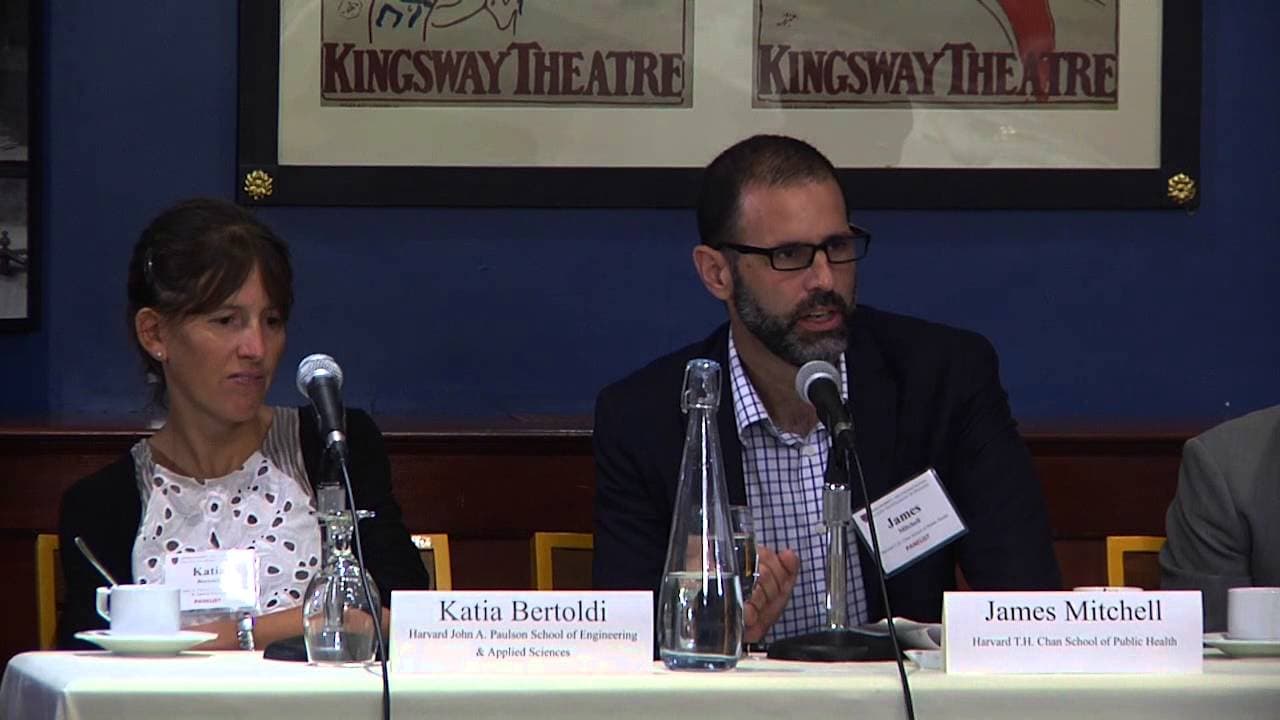
New Faculty Institute 2015 | Katia Bertoldi, James Mitchell, Laurence Ralph
TL;DR
Faculty panelists share advice on starting an academic career, including finding a balance between work and personal life, networking, being open with research ideas, and managing committee commitments.
Transcript
ELIZABETH ANCARANA: So now, I turn to our panelists. And thanks again for coming and talking to our new faculty here today. It's just a delight that you're here. We have Katia Bertoldi who's the John L. Loeb Associate Professor of the Natural Sciences at the Johnny Paulson School of Engineering and Applied Sciences. After earning her Ph.D. in Mecha... Read More
Key Insights
- 🤗 Being open and proactive in sharing research ideas can lead to collaborations and opportunities.
- 🤩 Flexibility is a key advantage of an academic career, allowing for a balance between work and personal life.
- 😫 Setting limits and prioritizing tasks are important for managing time commitments and avoiding overcommitment.
- ✍️ Effective communication and writing skills are crucial for success in academia, along with utilizing social media and networking opportunities to promote research.
Install to Summarize YouTube Videos and Get Transcripts
Explore YouTube Video Summarizer or Get YouTube Transcript Extractor
Questions & Answers
Q: Should I share my research ideas openly or be more secretive to protect my intellectual property?
While there is always a risk of someone taking your idea, being open with your research ideas can lead to more collaborations and opportunities. It is important to find a balance and ensure that your ideas are known and acknowledged.
Q: How do I preserve the joy in academia while balancing multiple commitments?
Faculty panelists emphasized the flexibility and unique opportunities that academia offers. They suggested finding enjoyment in research, collaborating with interesting colleagues, and taking advantage of the resources and events at the institution. Setting limits and finding a work-life balance are also crucial for maintaining joy.
Q: How do you navigate committee engagements and manage time commitments?
Panelists recommended being strategic in choosing committee involvements, considering personal research interests and time commitments. They advised setting limits and being aware of the time demands of different committees, as well as seeking advice from mentors and colleagues on managing committee engagements. Saying no when necessary is also important to prevent overcommitment.
Summary & Key Takeaways
-
Panelists emphasized the importance of finding a balance between work and personal life, and enjoying the journey in academia rather than just focusing on tenure.
-
They recommended utilizing the resources and network available at the institution, including collaborating with industry and attending lunches with colleagues.
-
Panelists shared their strategies for managing time and prioritizing tasks, such as making daily to-do lists, being selective about travel, and learning from mistakes in managing people.
-
They highlighted the need for effective communication and writing skills, as well as being proactive in promoting research through various channels including social media and collaborations.
Read in Other Languages (beta)
Share This Summary 📚
Summarize YouTube Videos and Get Video Transcripts with 1-Click
Try YouTube Summary with ChatGPT & Claude or YouTube Transcript Generator
Explore More Summaries from Harvard University 📚




Summarize YouTube Videos and Get Video Transcripts with 1-Click
Try YouTube Summary with ChatGPT & Claude or YouTube Transcript Generator