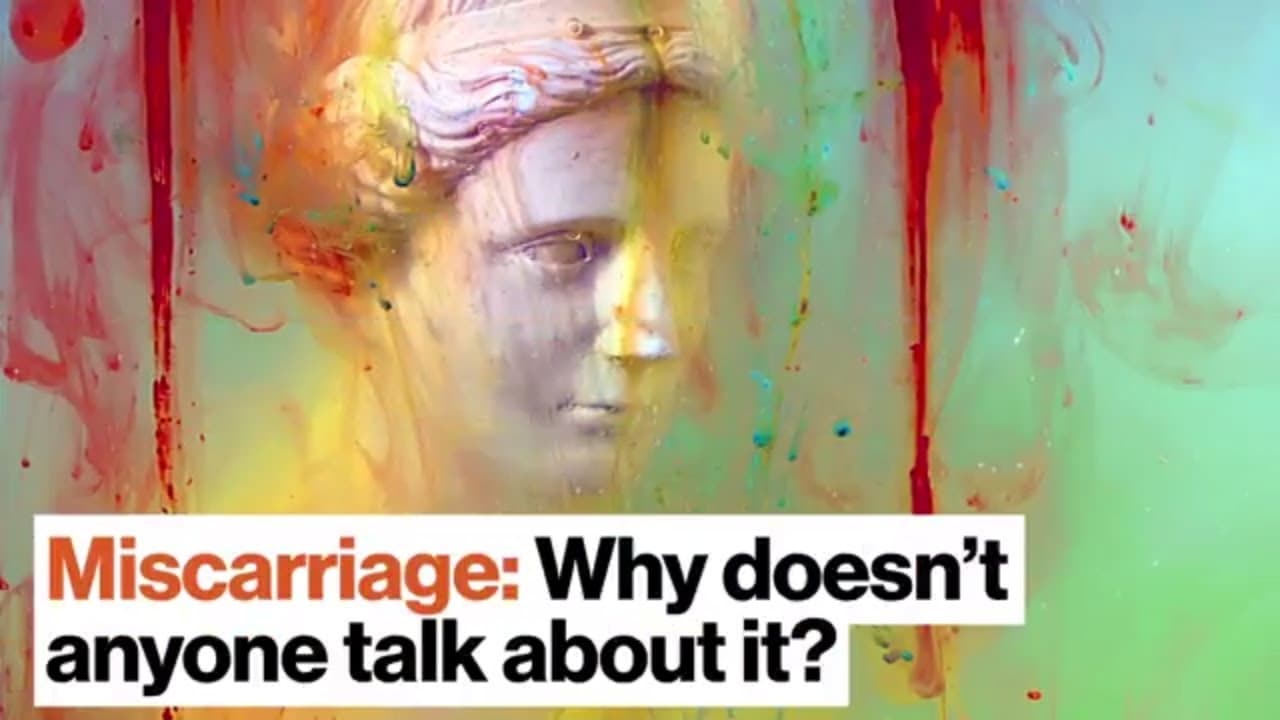
Miscarriage: Why doesn’t anyone talk about it? | Ariel Levy
TL;DR
The author shares her intense experience of losing a baby in Mongolia, shedding light on the unspoken grief women face.
Transcript
When I was 38 I accepted an assignment in Mongolia and I had been writing stories for The New Yorker, and before that New York magazine, for 20 years and this was going to be the last adventure like this for a while because I was about to start on another kind of adventure: I was five months pregnant and I was about to have a new kind of life. And ... Read More
Key Insights
- 🖤 Women's experiences of grief and loss, particularly related to childbirth, are often unspoken and lack literature or discussion.
- 👩🍼 The profound grief experienced by women who lose babies can be intense and isolating, leading to a lack of understanding from others.
- 🧔♀️ Addressing topics like menstruation, fertility, childbirth, and menopause is essential for recognizing the full spectrum of women’s experiences.
- 🤗 Open conversations about women’s experiences of grief and loss are crucial for promoting understanding and support within society.
- 🤽♀️ Writing and literature play a significant role in validating women’s experiences of grief and loss and advocating for their recognition.
- 🧔♀️ The author’s personal journey of grief and loss highlights the deep emotional impact these experiences can have on women.
- 🧔♀️ Sharing stories and experiences of grief can help normalize and destigmatize women’s emotional responses to loss.
Install to Summarize YouTube Videos and Get Transcripts
Explore YouTube Video Summarizer or Get YouTube Transcript Extractor
Questions & Answers
Q: What was the author’s initial reaction upon unexpectedly giving birth in Mongolia?
The author, initially not concerned about her pregnancy, went into labor and gave birth, experiencing intense grief upon realizing what had happened.
Q: Why did the author feel compelled to write about her experience of losing a baby?
The author wanted to acknowledge and honor the brief life of her baby, feeling proud of creating a person and believing it was a subject worthy of writing and literature.
Q: How does the author advocate for more open discussions on women’s experiences of grief and loss?
The author emphasizes the need for open conversations about topics like childbirth, child loss, and menopause, highlighting the significance of these experiences for women’s lives.
Q: What response did the author receive after publishing her essay on losing her baby?
The author received a positive response that affirmed her belief in the importance of writing about such experiences and advocating for them to be legitimate subjects in literature.
Summary & Key Takeaways
-
A woman shares her experience of unexpectedly giving birth in Mongolia while on assignment, leading to intense grief upon returning home.
-
She highlights the lack of literature and discussion around the profound grief experienced by women who lose babies.
-
The author reflects on the importance of addressing topics related to menstruation, fertility, childbirth, and loss, advocating for open conversations about these experiences.
Read in Other Languages (beta)
Share This Summary 📚
Summarize YouTube Videos and Get Video Transcripts with 1-Click
Try YouTube Summary with ChatGPT & Claude or YouTube Transcript Generator
Explore More Summaries from Big Think 📚



Summarize YouTube Videos and Get Video Transcripts with 1-Click
Try YouTube Summary with ChatGPT & Claude or YouTube Transcript Generator