The Baptist War: Slave Uprising in the Last Days of Slavery - Professor Alec Ryrie
TL;DR
Slavery in Britain's colonies remained legal until the 1830s, and the abolitionist movement faced challenges such as missionary deaths and violent reprisals. Despite the eventual abolition, former slaves were not financially compensated.
Transcript
slavery itself remained legal in Britain's colonies until the 1830s it seemed then though it may not now that emancipating existing slaves was a much more complex issue than merely abolishing the trade most British abolitionists hoped that with the trade abolish the whole ugly system would simply wither away when a new anti-slavery society was form... Read More
Key Insights
- ™️ Slavery in Britain's colonies continued until the 1830s, even after the transatlantic slave trade was abolished.
- 🖐️ The deaths of missionaries, such as John Smith, played a significant role in increasing public outrage and awareness about the need to abolish slavery.
- 🤍 The mistreatment of white missionaries provoked strong reactions in Britain and contributed to the eventual formal abolition of slavery.
Install to Summarize YouTube Videos and Get Transcripts
Explore YouTube Video Summarizer or Get YouTube Transcript Extractor
Questions & Answers
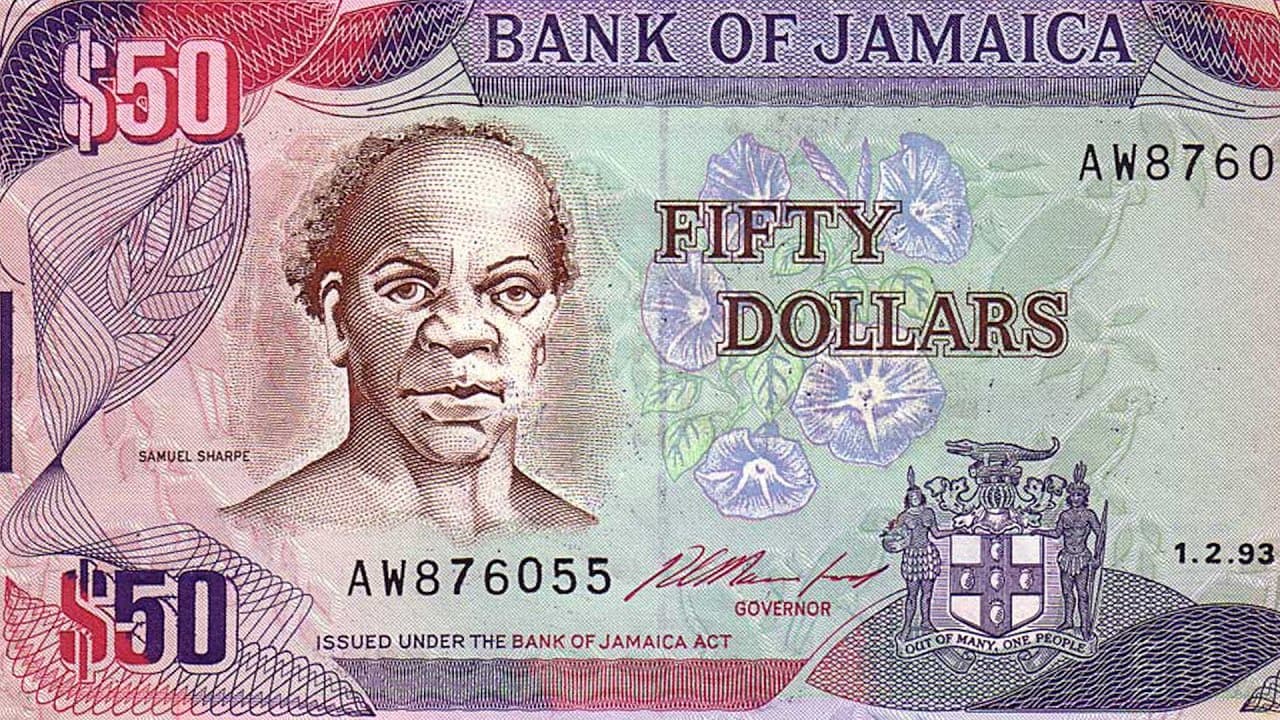
Q: What role did missionaries like John Smith and Samuel Sharp play in the abolitionist movement?
Missionaries played a significant role in raising awareness about the inhumanity of slavery through their deaths and peaceful uprisings. They highlighted the immorality of slaveholders targeting missionaries and became symbols of resistance.
Q: How did the British public react to the mistreatment of white missionaries in the colonies?
The mistreatment of white missionaries in the colonies, such as tarring and feathering, shocked and outraged the British public. These incidents were seen as proof of the brutality of slaveholders and contributed to public support for abolition.
Q: What was the significance of the 1833 act in the abolition of slavery?
The 1833 act marked the formal abolition of slavery in Britain's colonies. However, it included a transitional period of unpaid apprenticeship for freed slaves, which was later abandoned due to its ineffectiveness. Slaveholders were also financially compensated for their loss, whereas former slaves received only their freedom.
Q: Has there been any compensation for former slaves or their descendants since emancipation?
No systematic compensation has ever been provided to former slaves or their descendants. Slaveholders, on the other hand, received financial compensation for their loss. This lack of restitution remains a deeply unjust aspect of nineteenth-century emancipations.
Summary & Key Takeaways
-
Slavery in Britain's colonies was not abolished with the end of the transatlantic slave trade; it required a more complex process of emancipating existing slaves.
-
The urgency to end slavery was fueled by the deaths of missionaries, such as John Smith in Demerara and the Baptist uprising led by Samuel Sharp in Jamaica.
-
The British public was outraged by the mistreatment of white missionaries, which helped precipitate the formal abolition of slavery, although the 1833 act had flaws.
Read in Other Languages (beta)
Share This Summary 📚
Summarize YouTube Videos and Get Video Transcripts with 1-Click
Try YouTube Summary with ChatGPT & Claude or YouTube Transcript Generator
Explore More Summaries from Gresham College 📚


Summarize YouTube Videos and Get Video Transcripts with 1-Click
Try YouTube Summary with ChatGPT & Claude or YouTube Transcript Generator