The Big Issue With Plastic and What We Can Do to Help | Compilation
TL;DR
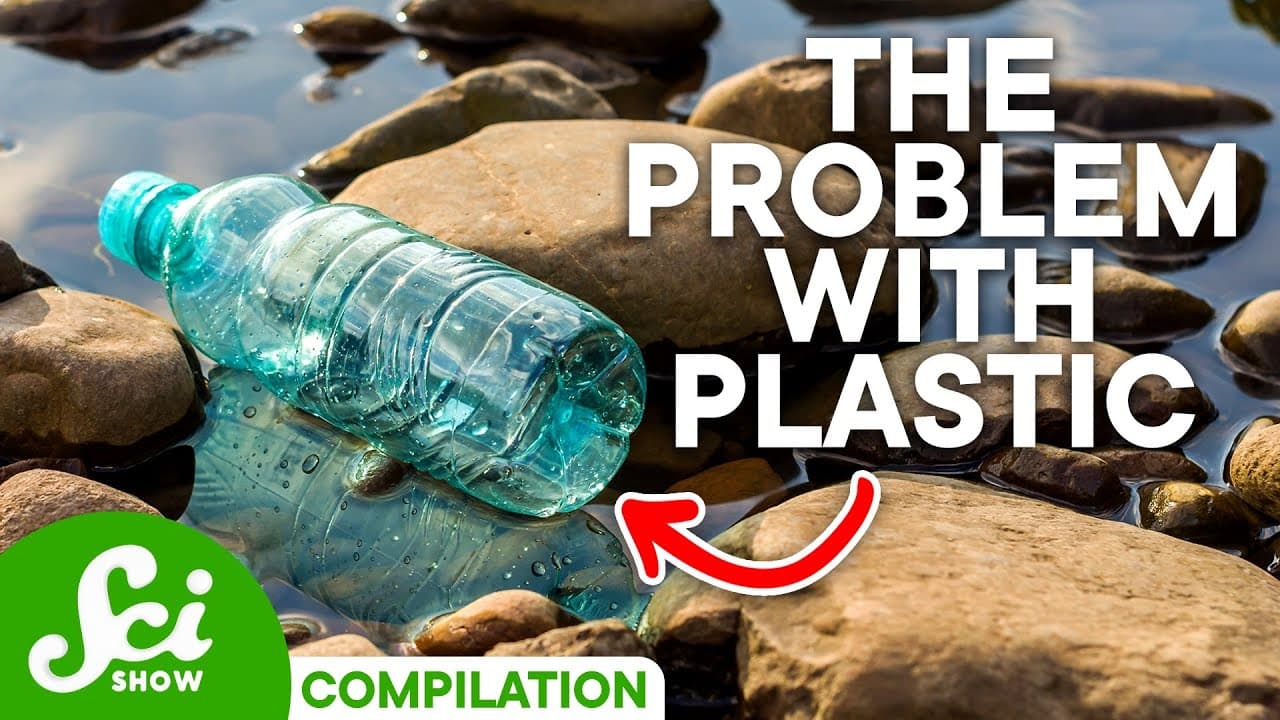
Plastics are found everywhere, even in our poop, and their widespread use and disposal practices pose recycling challenges, environmental impact, and potential health risks.
Transcript
plastics love them or hate them they are pretty much everywhere yes everywhere even your poop isn't safe and i can't imagine that being good for you so how did those plastics become so ubiquitous well because we made them and we use them a lot but specifically what problems are they causing and what can we do to fix our mess well that's what this c... Read More
Key Insights
- 🔼 Plastics have become pervasive in modern life, with billions of metric tons produced, but only a small fraction is recycled.
- ♻️ Recycling plastic is challenging due to the plethora of plastic types, contamination, and degradation.
- 😒 Different types of bags, such as paper, biodegradable plastic, reusable plastic, and cotton, have varying environmental impacts and require multiple uses to offset their footprint.
- 🧑⚕️ Plastics can pose potential health risks due to the ingestion of microplastics and the presence of hormone-disrupting chemicals.
Install to Summarize YouTube Videos and Get Transcripts
Explore YouTube Video Summarizer or Get YouTube Transcript Extractor
Questions & Answers
Q: Why is recycling plastic so difficult?
Recycling plastic is challenging because there are various types of thermoplastics, each requiring specific separation and sorting. Contamination and degradation also make recycling less effective.
Q: What are the environmental impacts of different types of bags?
The environmental impact of bags depends on production, usage, and disposal. Paper bags, biodegradable plastic bags, and reusable plastic bags need to be used multiple times to offset their impact. Cotton tote bags have the largest environmental footprint.
Q: Is plastic consumption harmful to human health?
Plastics contain chemicals that can mimic hormones, leading to potential health issues when ingested. Microplastics have been found in human fecal samples, but the long-term health effects are still unclear.
Q: How can we address the plastic problem?
Solutions include developing new recycling techniques to prolong plastic life, reducing single-use products, being mindful of plastic use and combinations, and exploring alternative materials. Proper waste disposal and preventing plastic contamination in oceans are also essential.
Summary & Key Takeaways
-
Plastics are ubiquitous and have become a vital component of modern life, resulting in the production of billions of metric tons, with only a small percentage being recycled.
-
Recycling plastics is challenging due to the different types of polymers and the need for precise separation and sorting. Contamination and the degradation of plastics also add to the difficulty of recycling.
-
The alternatives to plastic, such as paper or reusable bags, come with their own trade-offs in terms of environmental impact and the number of times they need to be reused to compensate effectively.
Read in Other Languages (beta)
Share This Summary 📚
Summarize YouTube Videos and Get Video Transcripts with 1-Click
Try YouTube Summary with ChatGPT & Claude or YouTube Transcript Generator
Explore More Summaries from SciShow 📚


Summarize YouTube Videos and Get Video Transcripts with 1-Click
Try YouTube Summary with ChatGPT & Claude or YouTube Transcript Generator