Wolf Blitzer on Trump Attacking the Media
TL;DR
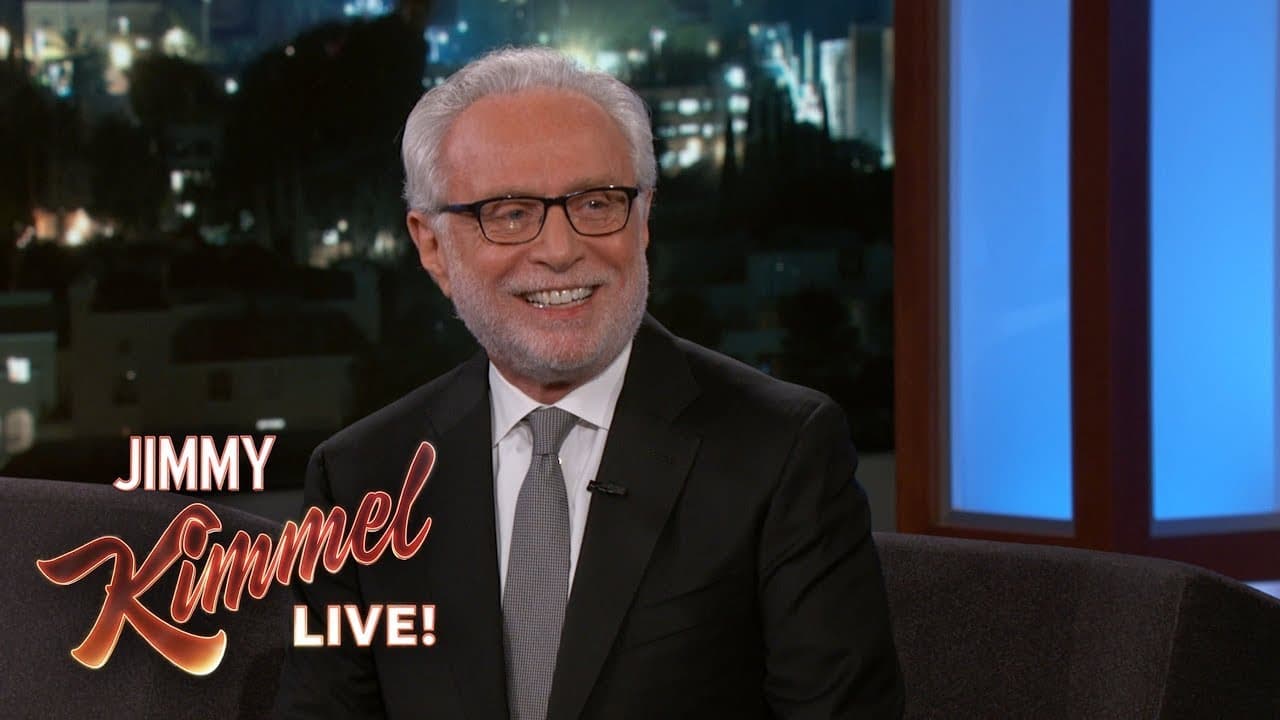
Wolf Blitzer discusses the challenges facing journalism today.
Transcript
MOTION PICTURE. >> Jimmy: YOU WERE THE WHITE HOUSE CORRESPONDENT FOR CNN DURING THE CLINTON ADMINISTRATION, CORRECT? >> CORRECT. >> Jimmy: IS IT DIFFERENT NOW? >> YES. [ LAUGHTER ] >> Jimmy: IT IS DIFFERENT. >> I SPENT SEVEN YEARS AS THE WHITE HOUSE CORRESPONDENT DURING THE CLINTON ADMINISTRATION. VERY LIVELY SEVEN YEARS. RIGHT NOW I'M AN ANCHO... Read More
Key Insights
- 📰 Wolf Blitzer distinguishes his past experiences as a White House correspondent during a relatively stable news environment from today's incessant news cycle.
- 🔉 The pressure for media organizations like CNN to maintain credibility has increased, prompting greater scrutiny over their reporting practices.
- 😑 The role of the press as a watchdog in democracy is highlighted, underscoring its significance in providing checks and balances against authority.
- 😑 Blitzer stresses that labeling the media negatively can have detrimental effects, not just domestically but also encouraging similar movements around the world against free press.
- 😀 The dangers journalists face from hostile environments are compounded by inflammatory rhetoric from political figures, emphasizing a need for responsible communication.
- 😑 There’s a mounting concern regarding the state of press freedom and the fundamental principles of journalism in the current political landscape.
- 💱 Blitzer's commitment to journalistic integrity reflects a broader concern within the industry about how to navigate and report in a changing and often hostile context.
Install to Summarize YouTube Videos and Get Transcripts
Explore YouTube Video Summarizer or Get YouTube Transcript Extractor
Questions & Answers
Q: What changes has Wolf Blitzer noticed in the news cycle since the Clinton administration?
Blitzer highlights a significant shift in the news cycle from a more traditional, slower pace to a constant barrage of information. He notes that the nature of news has become more rapid and often chaotic, especially with the current political environment, where events do not allow for downtime between stories.
Q: How does Blitzer feel about the current administration's view of the press?
Blitzer is very concerned about the president's negative labeling of the media as "fake news" and "the enemy of the people." He believes such rhetoric undermines the credibility of the press and poses grave risks to journalistic integrity and freedom, especially for reporters working in dangerous conditions.
Q: What is the importance of responsible journalism according to Blitzer?
Blitzer asserts that responsible journalism is crucial for democracy, as it ensures an informed public and holds power accountable. He stresses the importance of accuracy and fairness in reporting while acknowledging the challenges journalists face in maintaining these standards amidst public scrutiny and hostility.
Q: What does Blitzer mean by being the "first draft of history"?
By stating that journalists are the "first draft of history," Blitzer suggests that news reporting plays a critical role in documenting events as they unfold. This metaphor implies that while initial reports may not be perfect and can contain errors, they contribute to the broader understanding of historical events.
Q: How has the relationship between the media and public perception changed, according to Blitzer?
Blitzer observes that the relationship has become more fraught, with increased polarization leading to distrust in media. He argues that the current administration's adversarial stance towards journalists has amplified public skepticism, complicating the media's ability to dominate honest discourse around current events.
Q: What risks do journalists face today in their reporting work?
Journalists today face multiple risks, including physical dangers when covering volatile events or protests. Blitzer mentions that their work can be met with hostility fueled by negative rhetoric from political leaders, which can encourage violence against the press and impede their efforts to report fairly and freely.
Summary & Key Takeaways
-
Wolf Blitzer reflects on his seven years as White House correspondent during the Clinton administration, noting how different the news dynamics are today.
-
He emphasizes the responsibility journalists have to report news fairly and accurately, viewing themselves as the "first draft of history."
-
Blitzer expresses concern over the president's rhetoric against the media, stating it endangers press freedom globally and encourages dictatorship.
Read in Other Languages (beta)
Share This Summary 📚
Summarize YouTube Videos and Get Video Transcripts with 1-Click
Try YouTube Summary with ChatGPT & Claude or YouTube Transcript Generator
Explore More Summaries from Jimmy Kimmel Live 📚
Summarize YouTube Videos and Get Video Transcripts with 1-Click
Try YouTube Summary with ChatGPT & Claude or YouTube Transcript Generator