How to Identify High-Returning Investments for Long-Term Growth
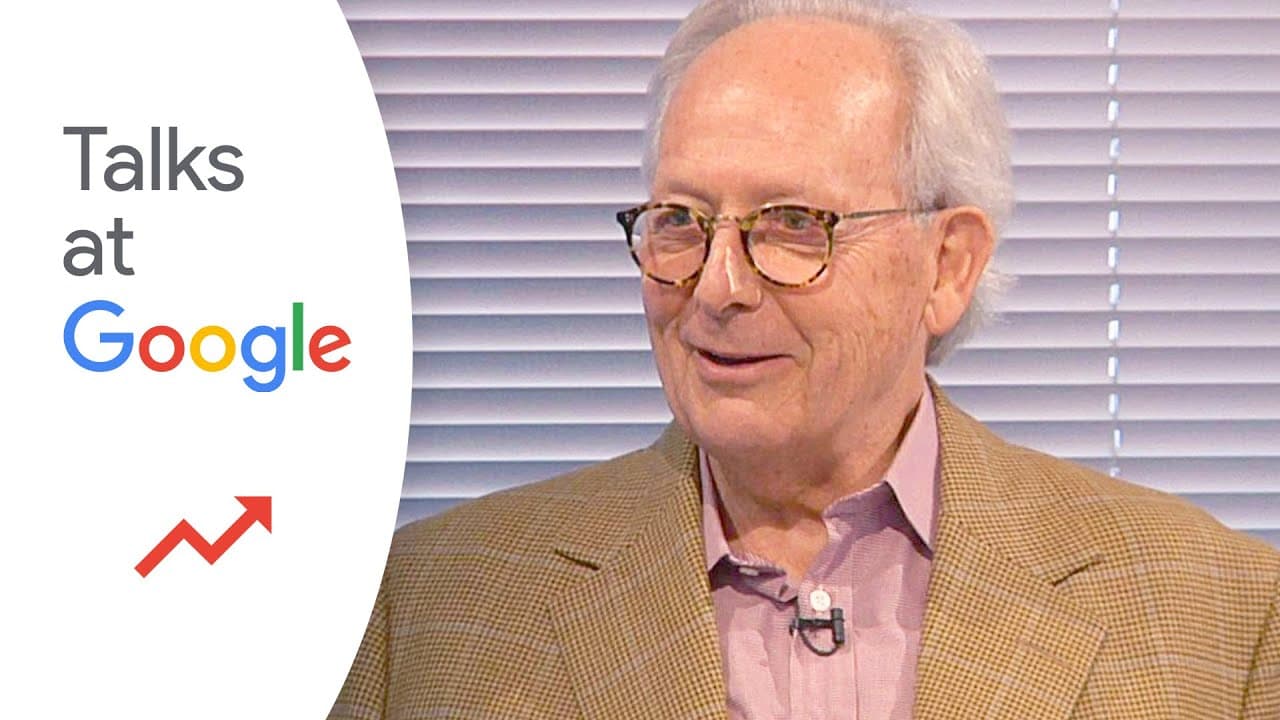
TL;DR
To identify high-return investments, focus on exceptional businesses with strong management and solid reinvestment strategies. Chuck Akre suggests using a three-legged stool approach: assess the quality of the business, the skill and integrity of its leadership, and the company's ability to reinvest profits effectively. This strategy enhances the potential for above-average capital compounding while minimizing risk.
Transcript
[MUSIC PLAYING] SAURABH MADAAN: Hello, everyone. I'm Saurabh Madaan, and welcome to another of our special value investing talks. We have a very, very special guest today with us. He is an investor par excellence. He searches for long-term compounders. But just speaking with him before this talk began, I can also tell you that he has a great sense ... Read More
Key Insights
- 🤩 A key to successful investing is to identify high-return businesses and invest in them at reasonable valuations.
- 😘 The ability to compound capital at above-average rates is enhanced by lower valuations at the start of the investment.
- 👨💼 The three-legged stool approach focuses on the quality of the business, the skill and integrity of management, and the company's reinvestment capabilities.
- ❓ Struggling and learning from personal experience is important for developing investment skills.
- 🫵 Risk should be viewed in terms of permanent impairment of capital, and businesses with strong fundamentals and growth prospects are generally considered less risky.
- 🥺 Finding and investing in exceptional businesses can lead to significant long-term compounding effects.
- 🥹 Timing the market and rotating between investments should be approached cautiously, as the best results often come from holding onto great businesses for the long term.
Install to Summarize YouTube Videos and Get Transcripts
Explore YouTube Video Summarizer or Get YouTube Transcript Extractor
Questions & Answers
Q: What were some of the books that inspired Chuck Akre's investment philosophy?
Akre mentions "The Money Masters" by John Train, "The Intelligent Investor" by Ben Graham, and "100 to 1 in the Stock Market" by Thomas Phelps as important reads that shaped his thinking on compound return and high-return businesses.
Q: How does Chuck Akre define risk when it comes to investing?
Akre thinks of risk in terms of permanent impairment of capital. He believes that if a business has solid fundamentals, a high return on capital, and strong growth prospects, it is less risky compared to businesses with lower return potential or excessive valuations.
Q: How does Chuck Akre approach selling investments?
Akre believes one of the most challenging aspects of investing is knowing when to sell. He generally advocates for long-term investing and avoiding the temptation to sell when faced with short-term disappointments. However, he acknowledges that some investors may decide to lighten positions or rotate into other opportunities when valuations become optimistic or future returns appear low.
Summary & Key Takeaways
-
Chuck Akre shares his journey from being a "know-nothing" stockbroker to becoming a successful investor focused on long-term compounders.
-
He stresses the importance of understanding what makes a great investor and a great investment, and how to identify and value high-return businesses.
-
Akre discusses his three-legged stool approach, which involves evaluating the quality of the business, the skill and integrity of management, and the company's reinvestment capabilities.
Read in Other Languages (beta)
Share This Summary 📚
Summarize YouTube Videos and Get Video Transcripts with 1-Click
Try YouTube Summary with ChatGPT & Claude or YouTube Transcript Generator
Explore More Summaries from Talks at Google 📚
Summarize YouTube Videos and Get Video Transcripts with 1-Click
Try YouTube Summary with ChatGPT & Claude or YouTube Transcript Generator