3 Ways Science Can Improve Your Pie
TL;DR
Making the perfect pie involves using vodka in the crust to prevent gluten formation, adding pectin to the filling for thickness, and using the Maillard reaction to achieve a golden brown crust.
Transcript
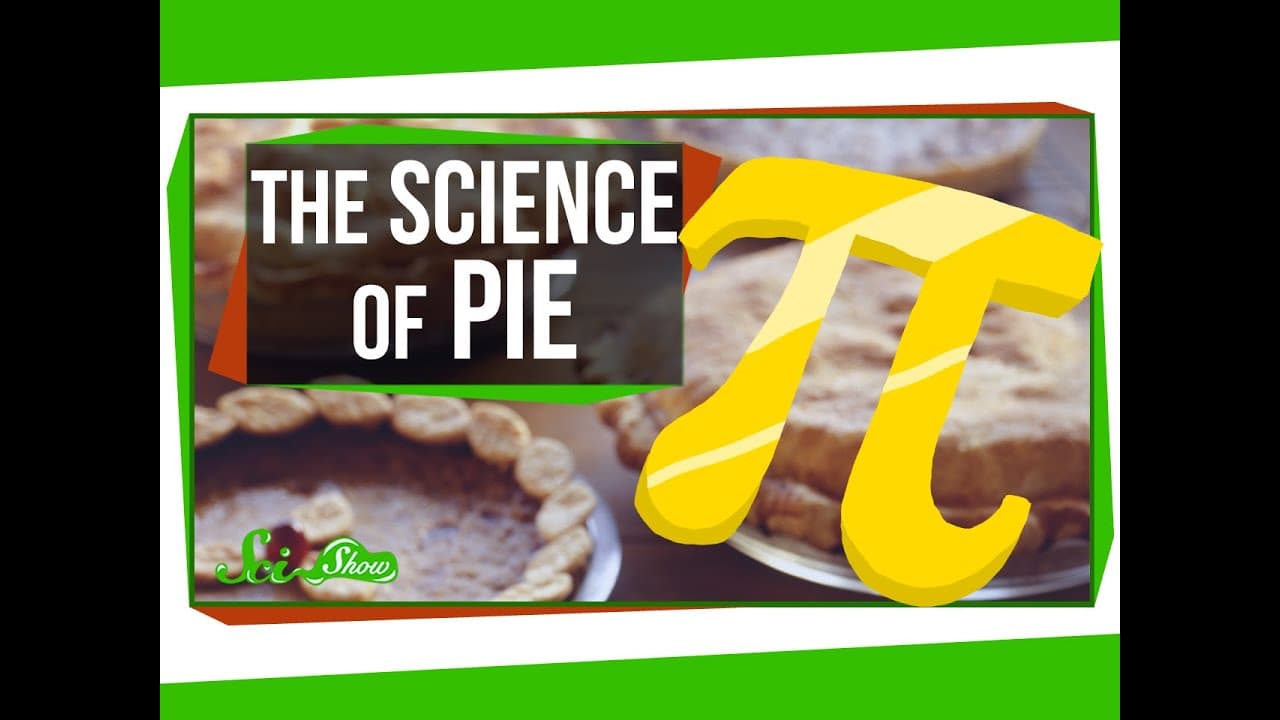
In honor of this Pi Day, we thought we’d talk about pie. No, not pi, pie! Tender crust with fruit inside. The filled dessert that is superior to all the other desserts. That pie. From the crust, to the filling, to the presentation, there’s a science to making the perfect pie. Let’s start with the crust. The best pie crusts tend to be light, crisp, ... Read More
Key Insights
- 🙂 Vodka can be used in pie crusts to prevent the formation of tough gluten, resulting in a light and flaky texture.
- 🥧 Adding pectin to pie fillings helps thicken the filling and prevent a soggy crust.
- 🍏 Choosing fruits with more pectin, like apples, or adding an apple to low-pectin fruits can further thicken the filling.
- 🥧 Lemon juice can be added to pie filling to strengthen and stabilize the pectin.
- 🤎 The Maillard reaction, facilitated by egg white, gives the crust a desirable golden brown color.
- 🥧 The Maillard reaction also enhances the flavor of the pie crust.
- 🥧 Overcooking can destroy pectin, resulting in a mushy pie filling.
Install to Summarize YouTube Videos and Get Transcripts
Explore YouTube Video Summarizer or Get YouTube Transcript Extractor
Questions & Answers
Q: How does vodka in pie crust prevent gluten formation?
Vodka, being 40% ethanol, does not dissolve the proteins that form gluten in wheat flour, resulting in a light and flaky crust without contributing to gluten development.
Q: How does pectin help thicken pie filling?
Pectin, naturally present in fruits, forms a jelly-like mesh that holds water in place, resulting in a thicker pie filling and a less soggy crust.
Q: How does adding lemon juice to pie filling affect pectin?
Lemon juice, being acidic, strengthens and stabilizes pectin, leading to a more effective thickening of the pie filling.
Q: What is the Maillard reaction and how does it improve pies?
The Maillard reaction is a chemical reaction that occurs when proteins react with certain sugars. By brushing egg whites over the crust, the reaction is facilitated, resulting in a golden brown color and enhanced flavor.
Summary & Key Takeaways
-
The perfect pie crust is light, crisp, and flaky, and using vodka instead of water helps prevent the formation of tough gluten.
-
Adding pectin to the filling helps thicken it and prevent a soggy pie bottom.
-
The Maillard reaction, facilitated by egg white, gives the crust a deep golden brown color and enhances flavor.
Read in Other Languages (beta)
Share This Summary 📚
Summarize YouTube Videos and Get Video Transcripts with 1-Click
Try YouTube Summary with ChatGPT & Claude or YouTube Transcript Generator
Explore More Summaries from SciShow 📚

Summarize YouTube Videos and Get Video Transcripts with 1-Click
Try YouTube Summary with ChatGPT & Claude or YouTube Transcript Generator