Baby Senses | Inside the Living Body
TL;DR
Infant sensory organs develop over time to interpret sounds, smells, and sights for the brain.
Transcript
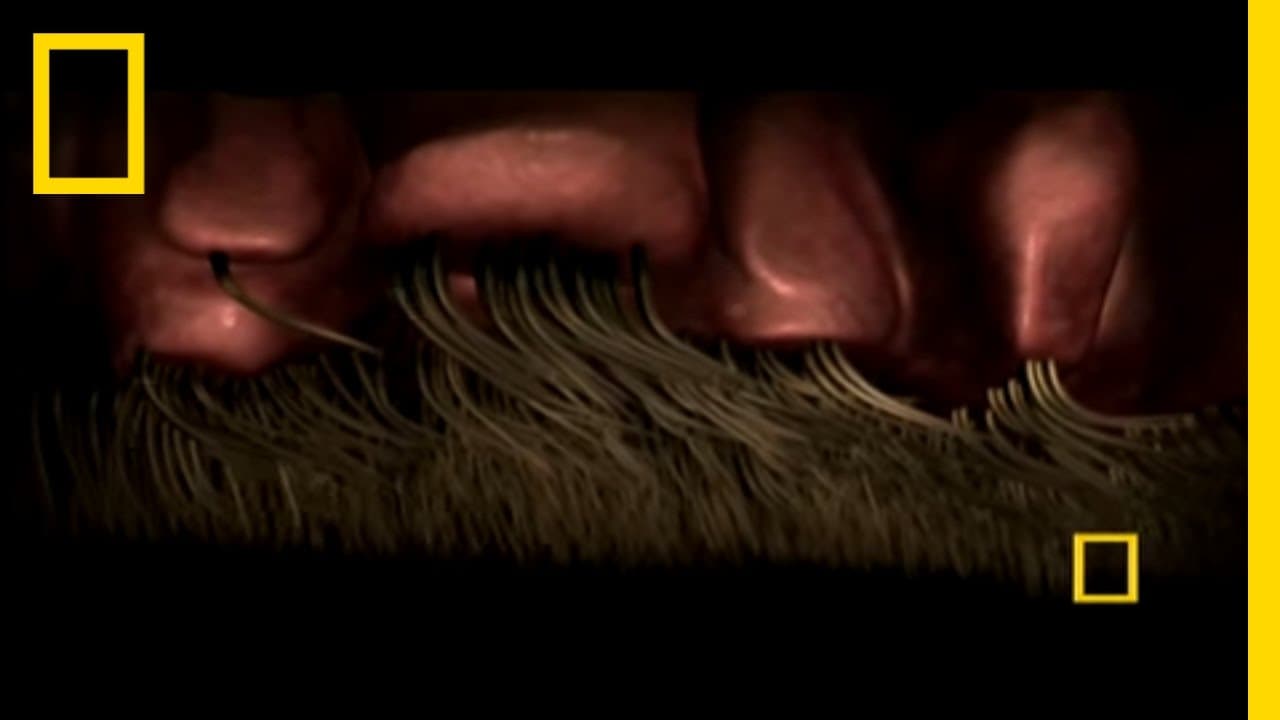
even a visit to the grocery store can overload the senses it's noisy bright and smelly the nose is working overtime high up inside specialized nerves dangled in the Airstream they detect chemicals in the air and send an electrical signal to the brain which interprets the signals as smells the nerves are super sensitive every smell is a new sensatio... Read More
Key Insights
- 😂 Infants' sensory organs, like noses and ears, are super sensitive and work in tandem to interpret the surrounding environment.
- 🖤 The development of vision in infants progresses from blurred, black and white images to more detailed color perception over time.
- 🧠 Infants go through a rapid learning process as their brains develop to interpret and make sense of the sensory information received.
- 🦻 Loud noises can potentially damage delicate hairs in the cochlea responsible for hearing, emphasizing the need for protecting infants' hearing health.
Install to Summarize YouTube Videos and Get Transcripts
Explore YouTube Video Summarizer or Get YouTube Transcript Extractor
Questions & Answers
Q: How do infants' noses detect smells?
Infants' noses detect smells through specialized nerves that send electrical signals to the brain when chemicals in the air are detected, interpreting them as different smells. These nerves are super sensitive, making each smell a new sensation for infants.
Q: How do infants' ears process sound vibrations?
Infants' ears process sound vibrations by vibrating the eardrum, amplifying the vibrations through tiny ossicles, and entering the cochlea lined with delicate hairs. Different hairs vibrate for high and low-frequency sounds, translating the vibrations into electrical signals.
Q: Why do infants see mostly in black and white during their first month?
Infants see mostly in black and white during their first month because their cones, which detect color information, are not fully developed yet. As a result, the visual information processed by the retina is primarily in black and white until the cones mature.
Q: How do infants' brains interpret visual information?
Infants' brains interpret visual information by processing signals from the retina in the back of the eye and learning to interpret the data over time. As the brain matures, it reorients the upside-down image received, gradually enhancing visual perception skills.
Summary & Key Takeaways
-
Infants experience an overload of sensory stimuli at places like grocery stores, with their noses detecting smells through specialized nerves.
-
Hearing in infants involves tiny bones called ossicles amplifying sound vibrations that then enter the cochlea lined with delicate hairs.
-
Vision in newborns is rudimentary, with underdeveloped eye muscles, immature lens muscles, and cones that detect color information.
Read in Other Languages (beta)
Share This Summary 📚
Summarize YouTube Videos and Get Video Transcripts with 1-Click
Try YouTube Summary with ChatGPT & Claude or YouTube Transcript Generator
Explore More Summaries from National Geographic 📚




Summarize YouTube Videos and Get Video Transcripts with 1-Click
Try YouTube Summary with ChatGPT & Claude or YouTube Transcript Generator