On the Hunt: Crossing the Beaver Dams | Alaska: The Next Generation
TL;DR
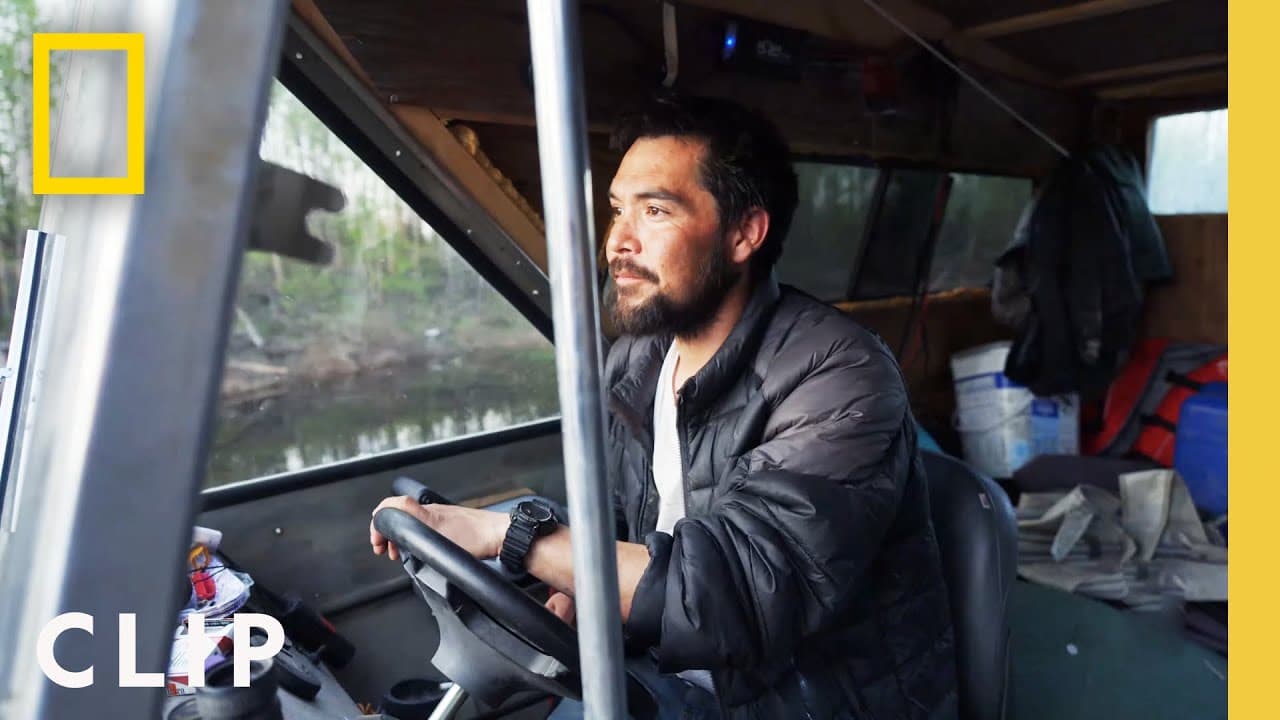
A family maintains tradition hunting in Alaska, emphasizing the importance of culture for future generations.
Transcript
If I didn't go about teaching my children tradition and culture, it would be a whole gap and we might not be able to give back. Then my family would be lost in tradition and culture. That little spot back here, just there, Beaver Dam blocking it but there's enough water flowing over it to where we can jump it. [inaudible] Can we do that again? No, ... Read More
Key Insights
- 🧭 Passing down tradition and culture is crucial for preserving heritage in Alaska.
- 🫡 Teaching children about nature and respect for wildlife shapes their values and connection to the environment.
- 👪 Overcoming challenges like beaver dams fosters resilience and teamwork within the family.
- 🫡 Ethical hunting practices reflect a deep respect for nature and wildlife conservation.
- 👪 The family's perseverance and adaptability in harsh conditions highlight the strength of Alaskan culture.
- 🫡 Cultural traditions in Alaska are deeply intertwined with hunting practices and respect for nature.
- 😀 The narrator's words emphasize the enduring importance of tradition and resilience in the face of adversity.
Install to Summarize YouTube Videos and Get Transcripts
Explore YouTube Video Summarizer or Get YouTube Transcript Extractor
Questions & Answers
Q: Why is passing down tradition and culture important in the Alaskan context?
In Alaska, tradition and culture are not just customs but ways of life. By teaching the next generation, families preserve their heritage and strengthen their identity. It ensures the survival of practices deeply rooted in history and nature.
Q: How does the family navigate challenges like beaver dams while hunting?
The family faces obstacles like beaver dams with resilience and teamwork. They view these hurdles as opportunities to teach valuable skills and foster perseverance in the younger generation. Overcoming obstacles strengthens their bond and connection to their environment.
Q: How does the narrator feel about hunting ethically, such as not shooting swans when paired up?
The narrator shows deep respect for nature by adhering to ethical hunting practices. He explains the importance of preserving wildlife populations and maintaining the balance of ecosystems. This respect reflects a harmonious relationship between humans and their natural surroundings.
Q: What does the narrator's statement "Hard times don't last forever. Strong people do though" signify?
This statement conveys the resilience and perseverance of the Alaskan family. It reflects their ability to overcome challenges and adapt to harsh conditions. It serves as a reminder of the strength gained through enduring hardships and maintaining cultural traditions.
Summary & Key Takeaways
-
The video showcases a family in Alaska hunting to pass down tradition and culture to future generations.
-
The narrator highlights the significance of teaching children traditions and respecting nature.
-
The family navigates challenges like beaver dams, emphasizing resilience and the value of preserving heritage.
Read in Other Languages (beta)
Share This Summary 📚
Summarize YouTube Videos and Get Video Transcripts with 1-Click
Try YouTube Summary with ChatGPT & Claude or YouTube Transcript Generator
Explore More Summaries from National Geographic 📚


Summarize YouTube Videos and Get Video Transcripts with 1-Click
Try YouTube Summary with ChatGPT & Claude or YouTube Transcript Generator