Steven Avery's Attorney Jerry Buting Talks Brendan Dassey on Law & Crime Network
TL;DR
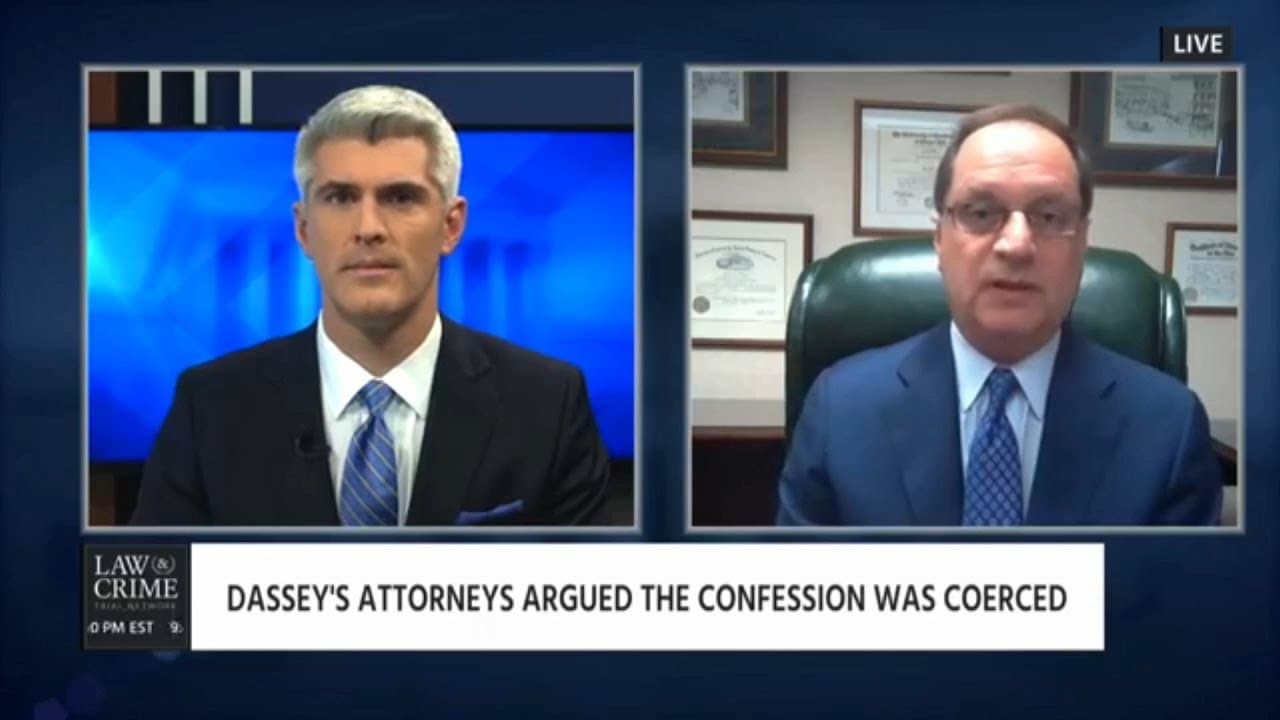
The Supreme Court denied Brendan Dassey's case appeal, leaving him incarcerated, sparking concerns about coerced juvenile confessions.
Transcript
welcome back to the long crime Network I'm your host Carissa Kranz and with me is Aaron Keller co-host here on the long crime Network and we are covering a really special segment today the Supreme Court announced today that it's not going to weigh in on the famous making a murder Netflix series trial and rehearing the case of Brandon dasi and wheth... Read More
Key Insights
- 👨⚖️ The denial of Brendan Dassey's case by the Supreme Court underscores gaps in juvenile justice reform efforts.
- 🤨 Coerced confessions, especially from vulnerable individuals like juveniles, raise ethical concerns about police interrogation practices.
- 👨⚖️ Habeas corpus review processes pose challenges in reversing state court decisions, limiting avenues for justice in contentious cases.
- 👨⚖️ Jerry Buting's insights shed light on the flawed justice system and the need for public engagement in criminal justice reform efforts.
- 👨⚖️ An illusion of justice persists in cases like Dassey's, highlighting systemic issues that demand reform and accountability.
- 👨⚖️ The public's perception of justice is tested by cases like Dassey's, prompting a call for awareness, advocacy, and legislative changes.
- ❓ Juvenile confessions remain a contentious issue, requiring revised interrogation practices to protect vulnerable individuals and ensure fairness.
Install to Summarize YouTube Videos and Get Transcripts
Explore YouTube Video Summarizer or Get YouTube Transcript Extractor
Questions & Answers
Q: Why did the US Supreme Court deny Brendan Dassey's case appeal?
The Supreme Court denied the appeal, citing the deference to state court decisions and the high standards of habeas corpus review, making it challenging to reverse.
Q: What was the significance of Brendan Dassey's confession during the interrogation?
Dassey's confession raised concerns about coercion, as interrogation tactics were suggestive, leading to questions about the validity of the confession and concerns over juvenile vulnerability.
Q: How did Jerry Buting's book title, "Illusion of Justice," reflect on Brendan Dassey's case?
Buting's book title highlighted the perceived illusion of justice in cases like Dassey's, urging for criminal justice reform and the need to address systemic flaws.
Q: What steps can be taken to prevent cases like Brendan Dassey's in the future?
Advocates propose legislative changes to restrict coercive police interrogation techniques, especially concerning juveniles, to prevent wrongful convictions and uphold justice.
Summary & Key Takeaways
-
The US Supreme Court denied Brendan Dassey's petition for certiorari, maintaining his imprisonment.
-
Jerry Buting discusses the implications of the decision on juvenile justice and police interrogation techniques.
-
The denial raises questions about the fairness of the justice system and highlights the need for reform.
Read in Other Languages (beta)
Share This Summary 📚
Summarize YouTube Videos and Get Video Transcripts with 1-Click
Try YouTube Summary with ChatGPT & Claude or YouTube Transcript Generator
Explore More Summaries from Law&Crime Network 📚
Summarize YouTube Videos and Get Video Transcripts with 1-Click
Try YouTube Summary with ChatGPT & Claude or YouTube Transcript Generator