Big Think Interview With Steven Hayes | Big Think
TL;DR
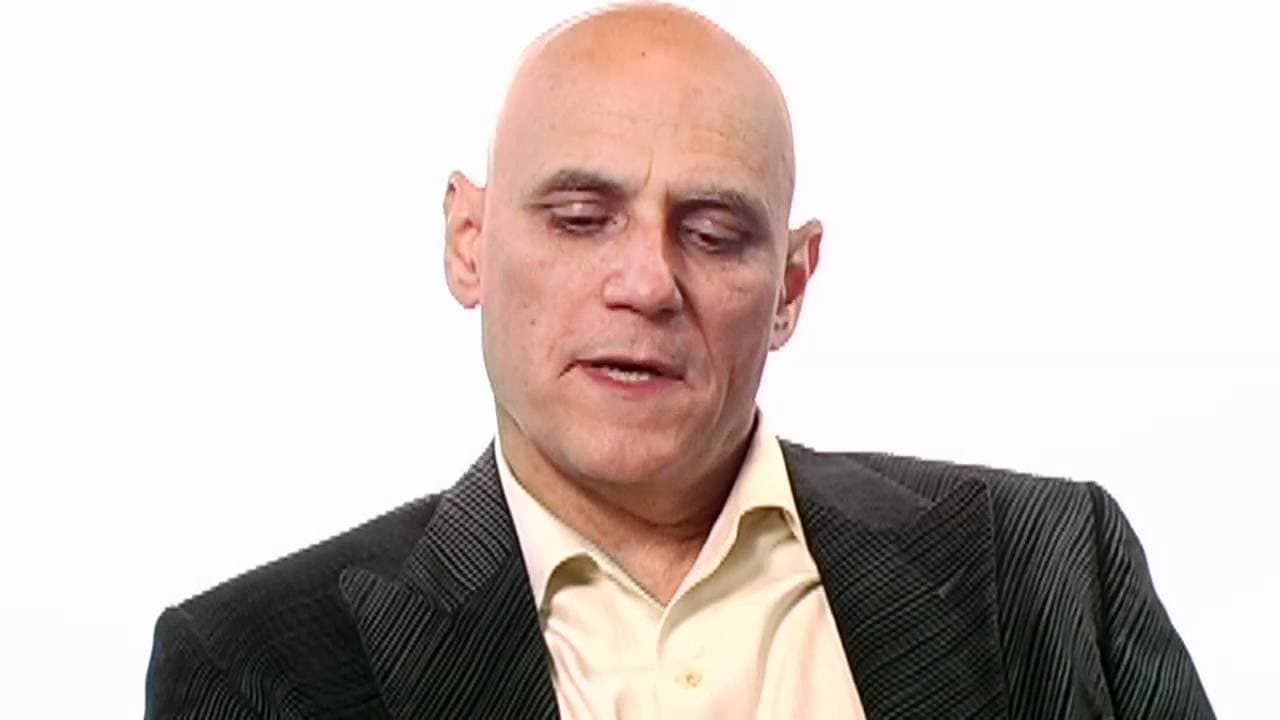
Steven Hayes explores ACT as a modern alternative to traditional cognitive therapy, emphasizing values and mindfulness.
Transcript
Question: What led you to explore this field of psychology? Steven Hayes: Well, I'm in psychology probably the way a lot of people get into psychology: you're interested in why there's so much pain and suffering around you. And I certainly saw that at home, just growing up, and decided early on that it was a place to put my science interests and al... Read More
Key Insights
- 🥺 Hayes' journey into psychology stemmed from a desire to understand and alleviate human suffering, leading him to explore mindfulness and acceptance.
- 🤩 ACT diverges from traditional cognitive therapy by emphasizing values, acceptance, and mindfulness as key components of personal growth and well-being.
- 🤳 Therapists utilizing ACT aim to guide individuals towards self-compassion, acceptance, and connection with their values for a more fulfilling life.
- 🎯 ACT's broad applicability extends beyond psychotherapy, addressing organizational, interpersonal, and cultural issues by targeting normal psychological processes.
- 🫵 Hayes advocates for a shift in societal views on happiness, promoting a values-based, self-affirming approach over transient pleasure-seeking behaviors.
- 🍉 The commercialization of happiness and quick fixes through medication is critiqued in favor of psychosocial interventions like therapy for long-term well-being.
- 🍔 Hayes urges the incorporation of psychological principles in addressing global challenges, emphasizing the need for a more compassionate, mindful approach to societal issues.
Install to Summarize YouTube Videos and Get Transcripts
Explore YouTube Video Summarizer or Get YouTube Transcript Extractor
Questions & Answers
Q: What led Steven Hayes to delve into the field of psychology?
Hayes became interested in psychology due to personal experiences with pain and suffering, leading him to explore mindfulness and acceptance as therapeutic tools.
Q: How is ACT different from traditional cognitive therapy?
ACT focuses on acceptance, mindfulness, and values instead of challenging and changing cognitive processes, offering a more direct approach to promoting a life worth living.
Q: How can a therapist help someone realize their values?
Therapists can guide individuals to connect with their values by exploring the sources of their pain and understanding what truly matters to them, promoting personal growth and fulfillment.
Q: How does the role of an ACT therapist differ from traditional psychologists?
ACT therapists adopt a more interactive and compassionate approach, working on acceptance, mindfulness, and values while acknowledging their own struggles in a horizontal therapeutic relationship.
Q: Why can ACT treat everything from schizophrenia to prejudice?
ACT targets normal psychological processes that hinder human adaptability, making its methods applicable in various domains from psychotherapy to organizational settings, fostering personal growth and connection.
Q: What is happiness according to Steven Hayes?
Hayes defines happiness as living in alignment with one's values and history, promoting self-affirmation, integrity, and fulfillment, contrasting with fleeting pleasure-seeking behaviors.
Q: Are Americans striving too much for happiness?
Hayes critiques the Western pursuit of immediate gratification and avoidance of discomfort, advocating for a more self-compassionate, values-based approach to happiness beyond consumer-driven ideals.
Q: Should mental illnesses be medicated?
Hayes emphasizes the importance of critical evaluation of medications for mental illnesses, suggesting that psychosocial interventions like therapy can offer long-term benefits without substantial side effects.
Summary & Key Takeaways
-
Steven Hayes discusses his personal journey from traditional cognitive therapy to ACT, rooted in mindfulness and values.
-
ACT diverges from traditional CBT by focusing on acceptance, mindfulness, and values to promote a more direct path to a fulfilling life.
-
Hayes advocates for a compassionate, value-based approach to address various mental health issues, emphasizing acceptance, mindfulness, and self-compassion.
Read in Other Languages (beta)
Share This Summary 📚
Summarize YouTube Videos and Get Video Transcripts with 1-Click
Try YouTube Summary with ChatGPT & Claude or YouTube Transcript Generator
Explore More Summaries from Big Think 📚



Summarize YouTube Videos and Get Video Transcripts with 1-Click
Try YouTube Summary with ChatGPT & Claude or YouTube Transcript Generator