How Goldfish Went From Pretty To Invincible And Back Again
TL;DR
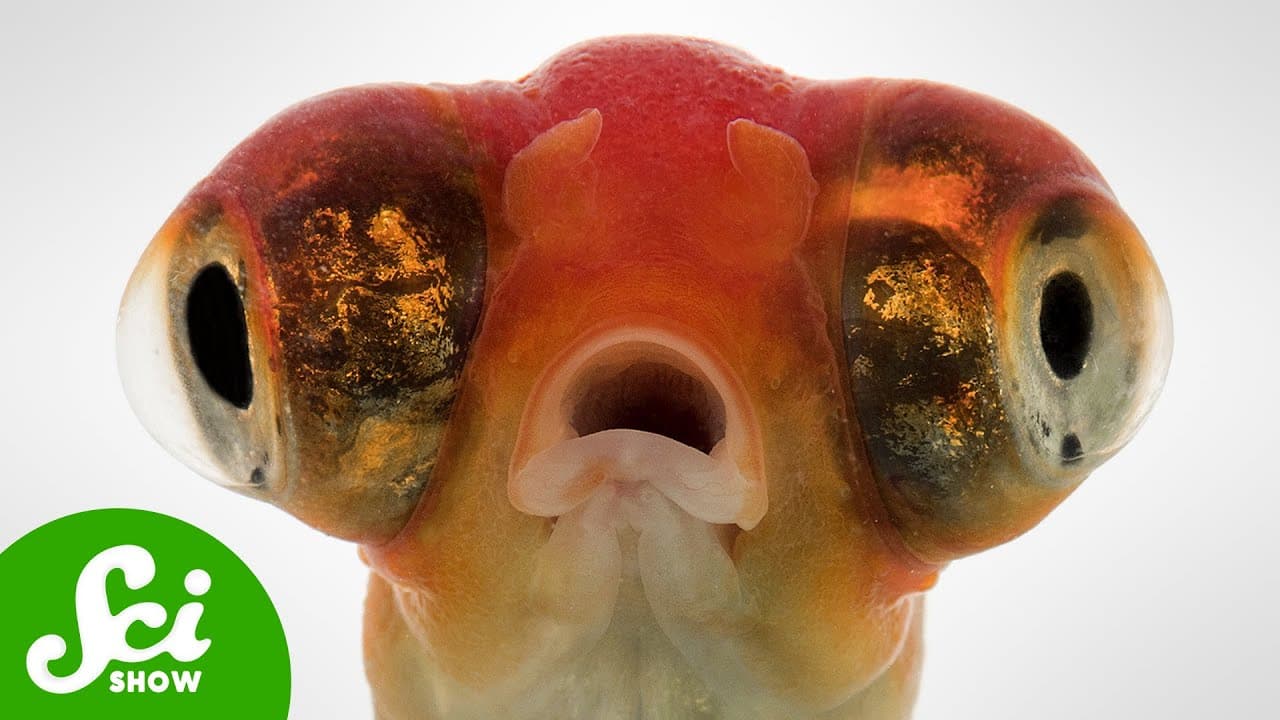
Goldfish, bred for their beauty, possess unique biological traits that make them resilient, adaptable, and able to withstand extreme temperatures, but the pursuit of exotic varieties by breeders has led to a loss of genetic diversity and the decline of their survival skills.
Transcript
Thanks to Brilliant for supporting this SciShow video! As a SciShow viewer, you can keep building your STEM skills with a 30 day free trial and 20% off an annual premium subscription at Brilliant.org/SciShow. If you had pet fish as a kid, chances are it was a goldfish. Hundreds of millions of them are sold in the US each year. And it’s easy to... Read More
Key Insights
- 💅 Goldfish were originally bred for their beauty, but their resilience and ability to withstand extreme temperatures contributed to their spread across the world.
- 🤑 Goldfish possess a unique genome with four sets of chromosomes, allowing for the evolution of new physical traits while retaining older ones.
- 😘 Goldfish's ability to survive in low oxygen conditions and tolerate a wide range of temperatures made them ideal for transportation and environmental adaptability.
- ❓ Goldfish have been used as model organisms in studies on evolution, toxicity testing, and understanding genetic diversity.
- 🌸 The pursuit of exotic goldfish varieties has resulted in a loss of genetic diversity and the decline of survival skills.
- 🥺 Fancy goldfish varieties often have physical traits that hinder their swimming abilities and can lead to health problems.
- 😘 Low genetic diversity in goldfish makes them more vulnerable to diseases and environmental changes.
Install to Summarize YouTube Videos and Get Transcripts
Explore YouTube Video Summarizer or Get YouTube Transcript Extractor
Questions & Answers
Q: How did goldfish develop their unique genome with four sets of chromosomes?
Goldfish evolved their unique genome through a process called whole genome duplication, which occurred approximately 8 to 14 million years ago. This duplication allowed for the evolution of new traits while retaining older ones.
Q: How were goldfish able to survive long sea voyages?
Goldfish have a remarkable ability to live with almost no oxygen, which likely evolved as a survival mechanism during the winters in ponds. They can convert lactic acid, produced by anaerobic respiration, into ethanol, which can be safely expelled through their gills.
Q: Why were goldfish used in toxicity testing?
Goldfish have a large surface area of gills and blood vessels, making them highly efficient at absorbing substances. This made them ideal for testing the toxicity of various chemicals and substances.
Q: Why have fancy varieties of goldfish lost their survival skills?
The pursuit of unique and exotic goldfish varieties by breeders has led to a loss of genetic diversity. Many fancy goldfish varieties have physical traits that hinder their survival skills, such as hindering their ability to swim or causing retinal damage.
Summary & Key Takeaways
-
Goldfish were originally bred for their beauty and shimmering red scales, but their resilience and ability to withstand a wide range of temperatures made them popular pets.
-
Goldfish possess a unique genome with four sets of chromosomes, allowing for the evolution of new physical traits while retaining older ones.
-
By the 18th century, goldfish had spread across the world, thanks to their ability to survive long voyages and their adaptability to different environments.
Read in Other Languages (beta)
Share This Summary 📚
Summarize YouTube Videos and Get Video Transcripts with 1-Click
Try YouTube Summary with ChatGPT & Claude or YouTube Transcript Generator
Explore More Summaries from SciShow 📚
Summarize YouTube Videos and Get Video Transcripts with 1-Click
Try YouTube Summary with ChatGPT & Claude or YouTube Transcript Generator