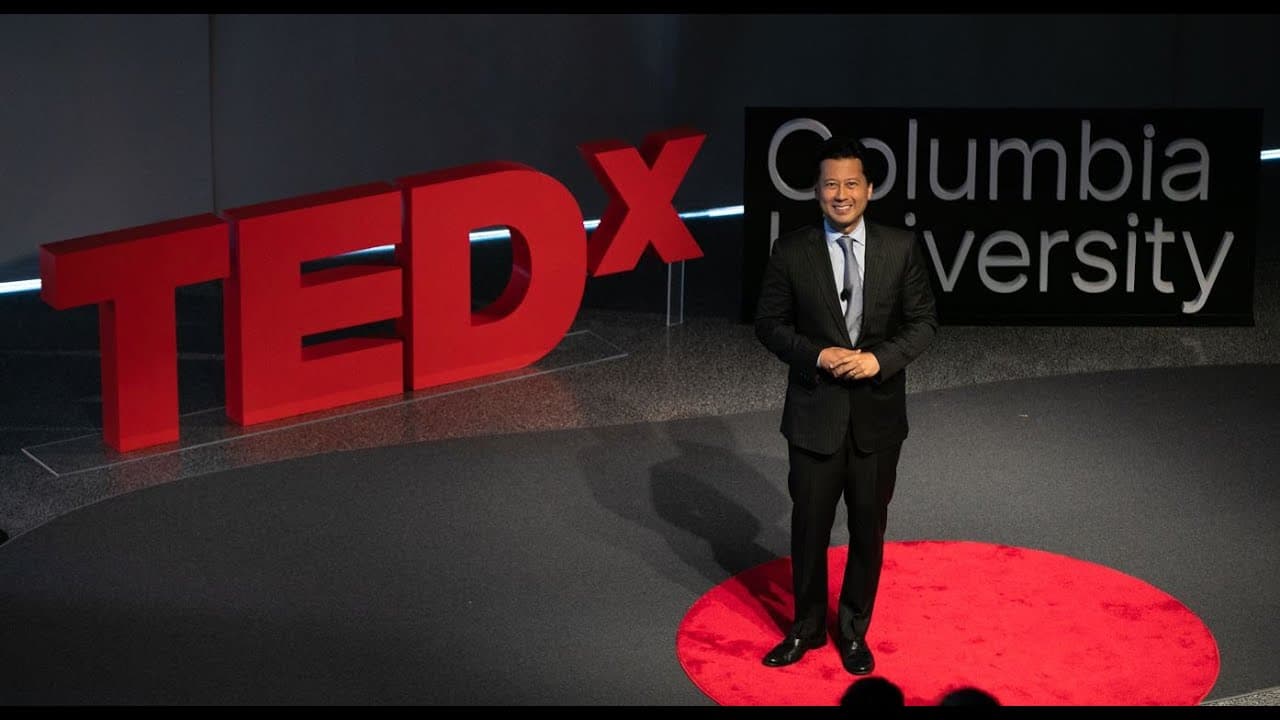
Uncovering Talent: The Power of Authenticity | Kenji Yoshino | TEDxColumbiaUniversity
TL;DR
Embracing authenticity over three phases: conversion, passing, and covering, navigating identity struggles, personal narrative, and advocating for LGBTQ+ rights.
Transcript
I want to talk to you today about the power of authenticity and to offer up a word and concept covering in the hopes that it might unlock that power for all of us listening today so I've had some occasion to think about authenticity and coming to terms with my own identity as a gay man and I think of that Journey as moving through three weakening p... Read More
Key Insights
- 🧭 Embracing authenticity involves navigating societal pressures through phases of conversion, passing, and covering.
- 🗯️ Advocating for LGBTQ+ rights can stem from personal struggles with identity and societal expectations.
- 🤳 The impact of covering on individuals can be detrimental to self-esteem and commitment to organizations.
- 👮 Law may not effectively address covering, highlighting the need for cultural shifts and individual advocacy.
- 🥺 Allies play a crucial role in combating bias and covering, leading to a more inclusive and authentic environment.
- 📔 Diagnosing covering in oneself and others can prompt meaningful conversations and drive positive change.
- 🫡 Sharing personal stories promotes authenticity and fosters a culture where diverse identities are respected.
Install to Summarize YouTube Videos and Get Transcripts
Explore YouTube Video Summarizer or Get YouTube Transcript Extractor
Questions & Answers
Q: What are the three phases of authenticity mentioned in the talk?
The three phases are conversion, passing, and covering. The speaker highlights his experience navigating these phases as a gay man and how they influenced his journey towards authenticity.
Q: How did the speaker's professor's advice impact his decision to be authentic?
The professor's advice to not come out on any institution's timetable empowered the speaker to embrace his identity openly, leading him to advocate for LGBTQ+ rights and find his passion.
Q: What does the term "covering" refer to in the context of the talk?
"Covering" is a concept introduced by sociologist Irving Goffman, where individuals hide aspects of their identity to fit into mainstream society. The speaker explores how covering affects various groups and underscores the importance of authenticity.
Q: Why does the speaker advocate for sharing personal stories to combat covering?
By sharing personal stories, individuals can create a culture of authenticity and inclusivity. Leaders modeling vulnerability and authenticity set a positive example for others to embrace their true selves.
Summary & Key Takeaways
-
The speaker shares his personal journey through three phases of authenticity: conversion, passing, and covering.
-
He discusses the pressure to conform and hide his identity as a gay man, eventually finding his calling in advocating for LGBTQ+ rights.
-
The talk emphasizes the importance of being authentic, overcoming societal pressures, and the impact of covering on individuals.
Read in Other Languages (beta)
Share This Summary 📚
Summarize YouTube Videos and Get Video Transcripts with 1-Click
Try YouTube Summary with ChatGPT & Claude or YouTube Transcript Generator
Explore More Summaries from TEDx Talks 📚


Summarize YouTube Videos and Get Video Transcripts with 1-Click
Try YouTube Summary with ChatGPT & Claude or YouTube Transcript Generator