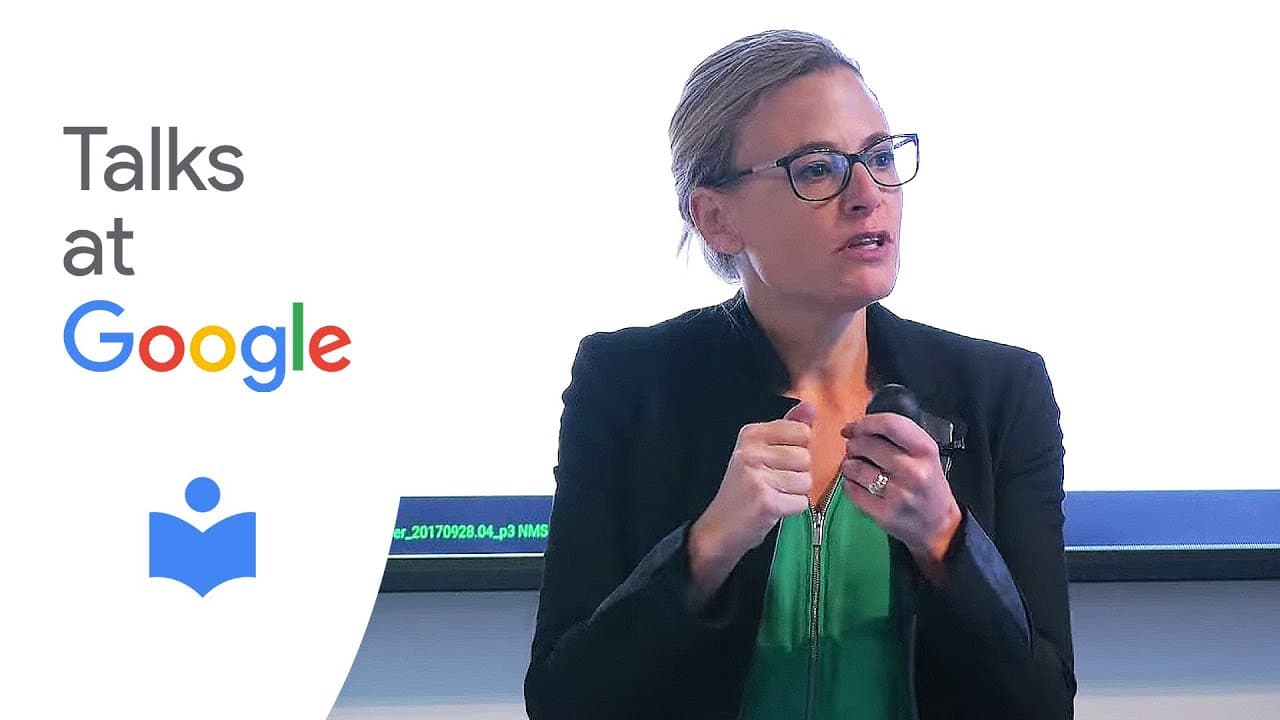
Our Power to Change Others | Tali Sharot | Talks at Google
TL;DR
The brain is wired to confirm our pre-existing beliefs, which can lead to biases and resistance to change, but by understanding how the brain works, we can improve decision-making and communication.
Transcript
[MUSIC PLAYING] SPEAKER: It is my very honor to welcome you, Tali, to Mountain View here, to Google. And it is my very honor and pleasure to introduce Tali to you guys here in the room, a world renowned researcher and scientist in the field of cognitive neuroscience. Tali investigates how motivation and emotion determine our expectations of the fut... Read More
Key Insights
- 😑 The brain is wired to confirm pre-existing beliefs, leading to biases and resistance to change.
- ❓ Immediate rewards are more effective motivators than punishments or threats.
- 🥺 Stress alters brain function and can lead to hyper-vigilance towards negative information.
Install to Summarize YouTube Videos and Get Transcripts
Explore YouTube Video Summarizer or Get YouTube Transcript Extractor
Questions & Answers
Q: What is the confirmation bias and how does it affect our beliefs?
The confirmation bias is the tendency to seek out and interpret information in a way that confirms our pre-existing beliefs. This can prevent us from considering alternative viewpoints and lead to skewed beliefs.
Q: How can we change someone's belief if it goes against their pre-existing worldview?
It can be challenging to change someone's belief if it conflicts with their pre-existing worldview. However, one approach is to find common ground or a common motive and use that as a starting point for discussion.
Q: What role does immediate rewards play in decision-making?
Immediate rewards are more effective at motivating action compared to rewards that are delayed or punishments. Our brain is wired to value immediate rewards and prioritize actions that lead to them.
Q: How does stress impact decision-making?
Stress alters brain function and leads to hyper-vigilance towards negative information. This can result in biases towards interpreting information in a negative light and making suboptimal decisions.
Q: How can we increase happiness and reduce stress?
Anticipatory events, such as planned vacations or activities, can increase happiness and reduce stress. Looking forward to positive experiences can have a significant impact on our overall well-being.
Summary & Key Takeaways
-
The brain processes information in a way that confirms our pre-existing beliefs, leading to biases and resistance to change.
-
Immediate rewards and positive feedback are more effective motivators than punishments or threats.
-
Stress alters brain function and leads to hyper-vigilance towards negative information.
-
Anticipatory events can increase happiness and reduce stress.
Read in Other Languages (beta)
Share This Summary 📚
Summarize YouTube Videos and Get Video Transcripts with 1-Click
Try YouTube Summary with ChatGPT & Claude or YouTube Transcript Generator
Explore More Summaries from Talks at Google 📚

Summarize YouTube Videos and Get Video Transcripts with 1-Click
Try YouTube Summary with ChatGPT & Claude or YouTube Transcript Generator