How OCP Revived A Dead Man Into A Robocop - OCP Manuals Revealed
TL;DR
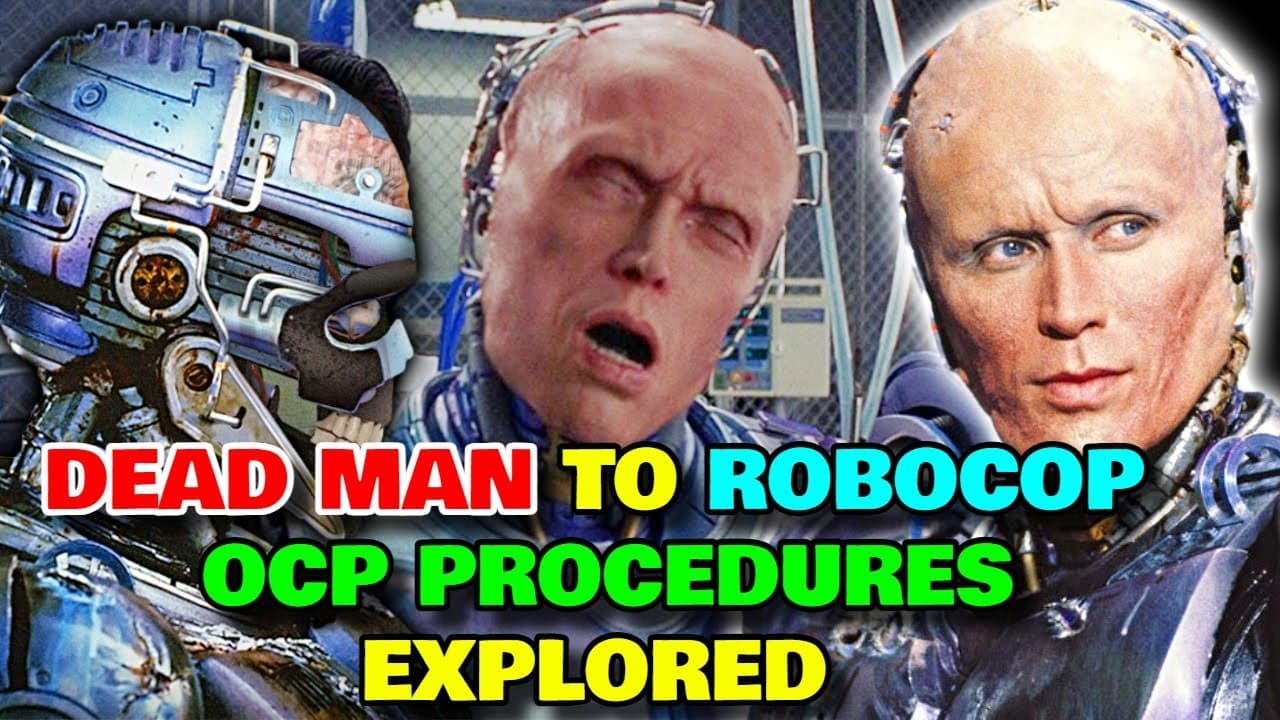
RoboCop’s creation involved Alex Murphy's tragic transformation into a cyborg, balancing humanity with machinery.
Transcript
what are your Prime directives serve the public trust protect the innocent uphold the law serve the public trust protect the innocent uphold the law these were the three directives that guided RoboCop unfortunately city cop Alex Murphy followed the same righteous ideals but they led to his demise set in a dystopian Detroit Alex Murphy was a devoted... Read More
Key Insights
- 😨 RoboCop expertly blends elements of science fiction and political commentary, reflecting societal fears about corporate power and technology.
- 😀 The character of RoboCop symbolizes the loss of individual identity, serving as a potent reminder of the fragility of humanity when faced with dehumanization.
- 🥶 The dichotomy of man and machine is central to RoboCop’s narrative, posing questions about free will, consciousness, and emotional responses within a technologically advanced society.
- 🕶️ The 1987 film's combination of dark humor and graphic violence underlines the absurdity of its dystopian setting, offering a unique critique of consumerism and authority.
- 👻 Director Paul Verhoeven emphasized that not all characters require exhaustive backstories, allowing RoboCop's emotional resonance to stem from his tragic circumstances.
- 🦹 OCP’s role as a corporate villain highlights the ethical considerations of scientific experimentation and the commodification of human life.
- 🫵 RoboCop’s journey of self-discovery and reconciliation with his lost identity creates a relatable figure, prompting viewers to empathize with his plight despite his mechanical nature.
Install to Summarize YouTube Videos and Get Transcripts
Explore YouTube Video Summarizer or Get YouTube Transcript Extractor
Questions & Answers
Q: What happened to Alex Murphy before he became RoboCop?
Alex Murphy was brutally shot and left for dead by criminals in a dystopian Detroit. His injuries were extensive, leading to his death, which was confirmed by medical personnel. Subsequently, his body was taken by OCP for transformation into RoboCop, marking a significant moment of trauma as he lost his humanity.
Q: How did OCP modify Murphy’s body to create RoboCop?
OCP transformed Murphy's mutilated corpse into a powerful cyborg. They removed his remaining human traits, retaining only parts of his brain. The cyborg's exterior was equipped with titanium armor, leaving minimal remnants of his organic self, signifying the extent of his conversion from human to machine.
Q: What are the key differences between the original and the 2014 RoboCop films?
The original 1987 film portrayed Murphy's death as a tragic event, emphasizing his loss of identity and emotional struggle as he adjusted to being RoboCop. In contrast, the 2014 reboot softened Murphy's death and focused on different themes, failing to replicate the emotional weight and complexity of the original character's journey.
Q: What is the significance of RoboCop experiencing pain?
RoboCop's ability to feel pain illustrates the interconnection between his human remnants and his mechanical body, creating a complex dynamic where he retains human sensations despite his robotic form. This pain also serves as a narrative device, highlighting his internal conflict while enforcing his struggle against both external threats and his own programming.
Q: What role does RoboCop's memory play in his character development?
RoboCop’s fragmented memories are vital to his character, showcasing flashes of his past that connect him to his human life and emotional ties. These memories fuel his quest for identity and justice, underscoring the series' themes of humanity versus technology and the pain of loss that he must navigate throughout his journey.
Q: Why is the original RoboCop movie considered impactful?
The original film is celebrated for its exploration of heavy themes such as identity, technology, and morality set against a dystopian backdrop. Its portrayal of Alex Murphy's transformation into a cyborg resonates with viewers, providing a deep emotional connection and raising profound questions about what it means to be human in a mechanized world.
Q: How did the portrayal of women differ in the RoboCop franchise?
The original RoboCop featured strong female characters like Anne Lewis, who played essential supportive roles in Murphy's journey. However, subsequent adaptations, notably the 2014 film, faced criticism for underrepresentation and lack of depth in female roles, highlighting a broader trend in how female characters are depicted in action-centered narratives.
Summary & Key Takeaways
-
RoboCop, originally Alex Murphy, faced a tragic death before being resurrected as a cyborg by OCP, leading to an internal struggle with his identity.
-
The series explores the ethical and emotional implications of transforming a human into a machine, raising questions about loss and the retention of humanity.
-
Despite several adaptations, RoboCop remains a cultural icon, particularly due to the depth of the original film which showcased the consequences of technology on human life.
Read in Other Languages (beta)
Share This Summary 📚
Summarize YouTube Videos and Get Video Transcripts with 1-Click
Try YouTube Summary with ChatGPT & Claude or YouTube Transcript Generator
Explore More Summaries from Marvelous Videos 📚






Summarize YouTube Videos and Get Video Transcripts with 1-Click
Try YouTube Summary with ChatGPT & Claude or YouTube Transcript Generator