The Economics of Brexit
TL;DR
Brexit's economic implications are complex and uncertain, affecting trade and stability.
Transcript
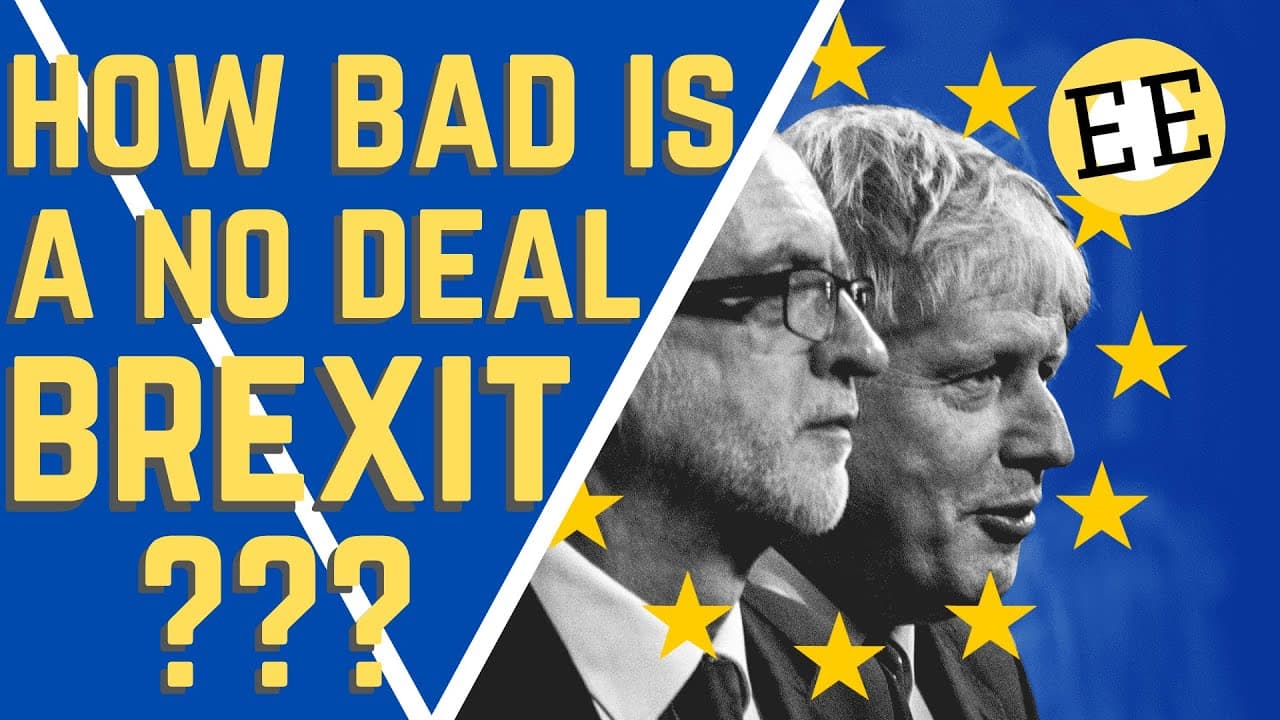
[Laughter] around four years ago on June 23rd 2016 the people of the United Kingdom set out to vote on the future of their nation this was Italia to determine the relationship the nation would have with Europe into the future the people of the nation decided against sticking with their European chums and the referendum came back in favor of Britain... Read More
Key Insights
- The Brexit referendum in 2016 marked a significant shift in the UK's relationship with the European Union, resulting in complex negotiations and economic uncertainty.
- The European Union evolved from the European Economic Community, enhancing trade relations and reducing the likelihood of conflict among member states.
- The European Union and the European Council are often confused, but they serve different purposes, with the EU having more legislative power.
- The introduction of the Euro in 2002 was a major step for the EU, although the UK retained its currency, the British Pound, which proved advantageous post-Brexit.
- Brexit negotiations have been prolonged due to disagreements among British Parliament, citizens, and the EU, creating economic stagnation and uncertainty.
- Global supply chains are heavily impacted by Brexit, with companies hesitant to make changes until trade agreements are finalized.
- The UK economy, while facing challenges, retains strong industries and a stable currency, suggesting resilience post-Brexit.
- Brexit highlights the importance of economic stability and confidence, as uncertainty can disrupt trade and investment decisions.
Install to Summarize YouTube Videos and Get Transcripts
Explore YouTube Video Summarizer or Get YouTube Transcript Extractor
Questions & Answers
Q: What was the significance of the Brexit referendum?
The Brexit referendum in 2016 was a pivotal moment for the UK, as it decided to leave the European Union. This decision marked a significant shift in the UK's political and economic landscape, leading to complex negotiations and uncertainty about future trade relationships and economic policies.
Q: How did the European Union evolve from the European Economic Community?
The European Union evolved from the European Economic Community (EEC), which was established to facilitate trade and cooperation among European nations. Over time, the EU expanded its powers, introducing its own Parliament and currency, the Euro, further integrating member states and promoting economic stability and cooperation.
Q: What challenges has Brexit posed to global supply chains?
Brexit has created significant challenges for global supply chains, as companies are uncertain about future trade agreements and tariffs. This uncertainty has led to hesitation in investing in supply chain changes, as businesses wait for clarity on the rules that will govern trade between the UK and other countries post-Brexit.
Q: Why did the UK retain the British Pound instead of adopting the Euro?
The UK chose to retain the British Pound instead of adopting the Euro due to its historical stability and reputation as a world reserve currency. This decision proved advantageous post-Brexit, as the UK maintained control over its monetary policy and avoided the complexities of transitioning to a new currency.
Q: What are the main points of disagreement in Brexit negotiations?
Brexit negotiations have been prolonged due to disagreements among British Parliament, citizens, and the European Union. Key points of contention include trade agreements, open borders for workers and goods, and the rights of EU citizens in the UK. These disagreements have contributed to economic uncertainty and stagnation.
Q: How has Brexit affected the UK's economic stability?
Brexit has introduced economic uncertainty in the UK, affecting business investment and trade. However, the UK retains strong industries and a stable currency, suggesting resilience. The outcome of Brexit negotiations will determine the long-term impact on the UK's economic stability and its ability to form new trade partnerships.
Q: What role does the European Council play compared to the European Union?
The European Council and the European Union serve different roles. The European Council is a political body that facilitates cooperation among European nations but lacks legislative power. In contrast, the EU has its own Parliament and can create and enforce laws, making it a more influential entity in shaping European policies.
Q: What economic opportunities might arise for the UK post-Brexit?
Post-Brexit, the UK may have opportunities to negotiate new trade deals and strengthen its domestic industries. The banking and finance sector could benefit from new economic conditions, and the UK's stable currency and strong industries provide a foundation for potential growth and resilience in a post-Brexit economy.
Summary & Key Takeaways
-
The Brexit referendum in 2016 led to the UK's decision to leave the European Union, causing significant political and economic uncertainty. The process has involved complex negotiations and highlighted the importance of trade agreements.
-
The European Union evolved from the European Economic Community, promoting cooperation and reducing conflict among European nations. The introduction of the Euro further integrated member states, although the UK retained the British Pound.
-
Brexit has disrupted global supply chains, with companies hesitant to invest until trade agreements are finalized. Despite challenges, the UK economy remains resilient, with strong industries and a stable currency.
Read in Other Languages (beta)
Share This Summary 📚
Summarize YouTube Videos and Get Video Transcripts with 1-Click
Try YouTube Summary with ChatGPT & Claude or YouTube Transcript Generator
Explore More Summaries from Economics Explained 📚


Summarize YouTube Videos and Get Video Transcripts with 1-Click
Try YouTube Summary with ChatGPT & Claude or YouTube Transcript Generator