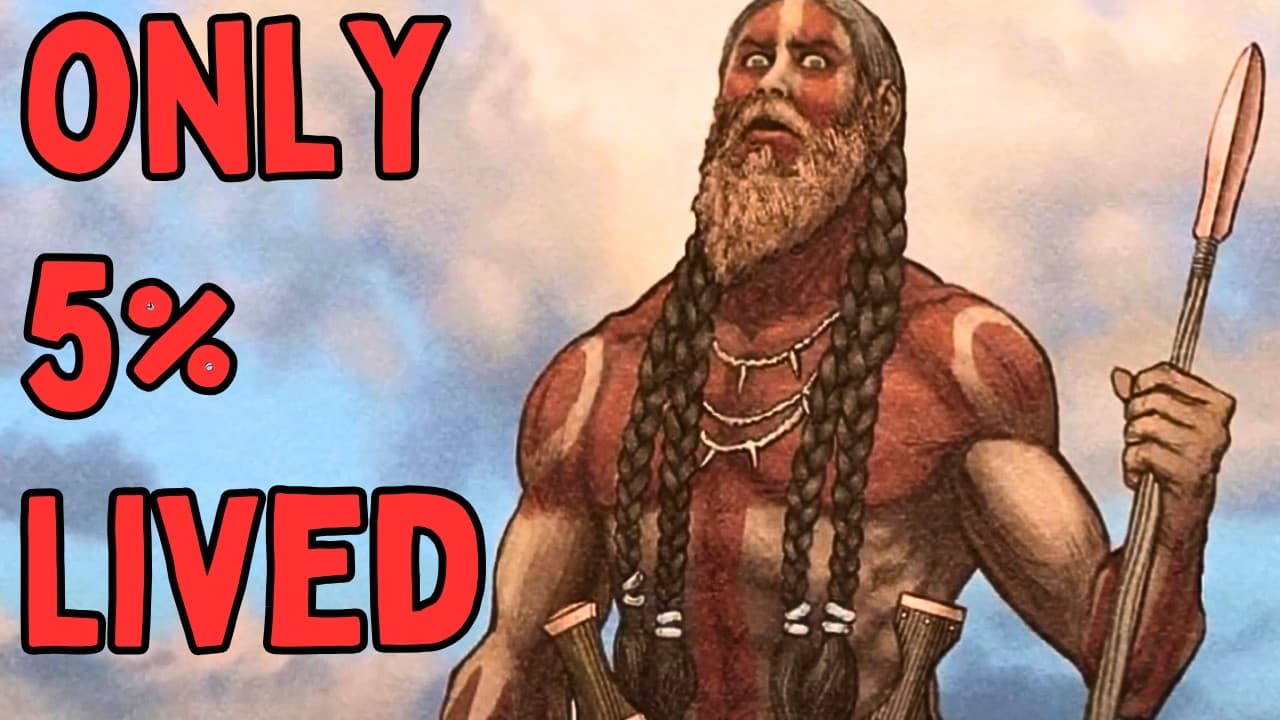
The Forgotten Prehistoric War That Killed 95% Of All Men
TL;DR
Prehistoric conflict drastically reduced male genetic diversity.
Transcript
within every single one of us there are approximately 3.16 billion base pairs of DNA which contain not only our genetic information but also hold our deepest biological Secrets including the darkest most Twisted ones at least that's the case according to a few studies which have apparently found evidence that not so long ago much of the kno... Read More
Key Insights
- Researchers found evidence of a significant genetic bottleneck affecting only the Y chromosome, indicating a catastrophic event that reduced male population drastically.
- The bottleneck occurred a few thousand years ago during the late Neolithic period, suggesting a violent conflict primarily targeting men.
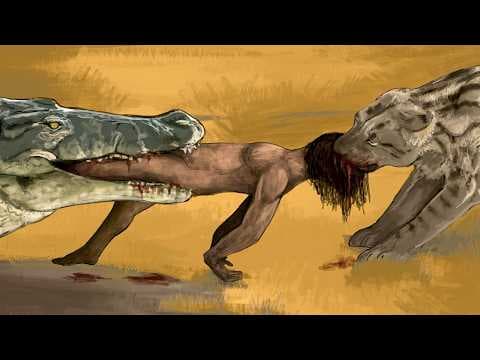
- Massacre sites from this period show high levels of violence, with many victims showing signs of brutal deaths, indicating widespread conflict.
- The Neolithic Revolution, which saw the rise of agriculture, may have contributed to this violence by creating new resources and territorial disputes.
- Some hypotheses suggest that patrilineal kin groups formed during this time, limiting male movement and making Y chromosomes vulnerable during conflicts.
- Alternative theories propose peaceful processes like lineal fission could have also contributed to the genetic bottleneck.
- The legacy of this bottleneck is still present today, with some populations having reduced genetic diversity compared to pre-bottleneck levels.
- Despite the historical violence, modern society is significantly more peaceful, with longer lifespans and fewer conflicts compared to the Neolithic era.
Install to Summarize YouTube Videos and Get Transcripts
Explore YouTube Video Summarizer or Get YouTube Transcript Extractor
Questions & Answers
Q: What evidence do researchers have of a prehistoric conflict?
Researchers found evidence of a significant genetic bottleneck affecting the Y chromosome, indicating a catastrophic event that drastically reduced male population. Massacre sites from the late Neolithic period further support this, showing high levels of violence and brutal deaths, suggesting widespread conflict targeting men.
Q: How did the Neolithic Revolution contribute to the violence?
The Neolithic Revolution introduced agriculture, which allowed for the establishment of settlements and increased population. This success also led to new resources and territorial disputes, creating new reasons for conflict. Settlements became targets for raids, and the ability to organize large groups and access a wider range of weapons contributed to the violence.
Q: What are some theories explaining the genetic bottleneck?
One theory suggests the formation of patrilineal kin groups limited male movement, making Y chromosomes vulnerable during conflicts. Another theory proposes peaceful processes like lineal fission contributed to the bottleneck, with closely related male lineages becoming more vulnerable to disappearing over time due to environmental hardships and reproductive fitness.
Q: How is the legacy of the genetic bottleneck still present today?
The legacy of the genetic bottleneck is evident in certain populations that still have reduced genetic diversity compared to pre-bottleneck levels. Although our genetics have mostly recovered, the impact of this prehistoric conflict remains, influencing the genetic makeup of modern populations.
Q: How did the violence during the Neolithic era end?
The violence during the Neolithic era didn't end in an absolute sense. Over time, as more complex societies developed, trade and diplomacy arose, cooling off the conflicts. Additionally, population growth outpaced the death toll from wars, leading to relative improvement in peace and stability.
Q: What role did massacre sites play in understanding prehistoric violence?
Massacre sites provide crucial evidence of the widespread violence during the late Neolithic period. They reveal high levels of brutality, with many victims showing signs of aggressive deaths. These sites help researchers understand the scale and nature of the conflicts that contributed to the genetic bottleneck and the drastic reduction in male population.
Q: What weapons were used during the Neolithic conflicts?
Various blunt and sharp weapons were used during Neolithic conflicts, including adzes, spears, bows and arrows, axes, clubs, knives, scrapers, sickles, hoes, and hammers. The level of armor did not match the innovativeness of these weapons, leaving combatants vulnerable and contributing to the high levels of violence and fatalities.
Q: How does modern society compare to the Neolithic era in terms of violence?
Modern society is significantly more peaceful compared to the Neolithic era. While conflicts still occur, the number of new conflicts starting each year has been on a downward trend since World War I. Advances in technology, trade, and diplomacy have contributed to this relative peace, resulting in longer lifespans and fewer conflicts compared to the past.
Summary & Key Takeaways
-
The transcript discusses a prehistoric conflict that left a significant impact on human DNA, particularly affecting male genetic diversity. Researchers identified a genetic bottleneck during the late Neolithic period, suggesting a violent event that drastically reduced the male population.
-
Massacre sites from this era reveal evidence of brutal violence, with many victims showing signs of aggressive deaths. The Neolithic Revolution, which introduced agriculture, may have contributed to this violence by creating new resources and territorial disputes.
-
Various hypotheses attempt to explain the genetic bottleneck, including the formation of patrilineal kin groups and peaceful processes like lineal fission. Despite this historical violence, modern society is more peaceful, with longer lifespans and fewer conflicts.
Read in Other Languages (beta)
Share This Summary 📚
Summarize YouTube Videos and Get Video Transcripts with 1-Click
Try YouTube Summary with ChatGPT & Claude or YouTube Transcript Generator
Explore More Summaries from ExtinctZoo 📚

Summarize YouTube Videos and Get Video Transcripts with 1-Click
Try YouTube Summary with ChatGPT & Claude or YouTube Transcript Generator