Equilibrium vs. Steady State
TL;DR
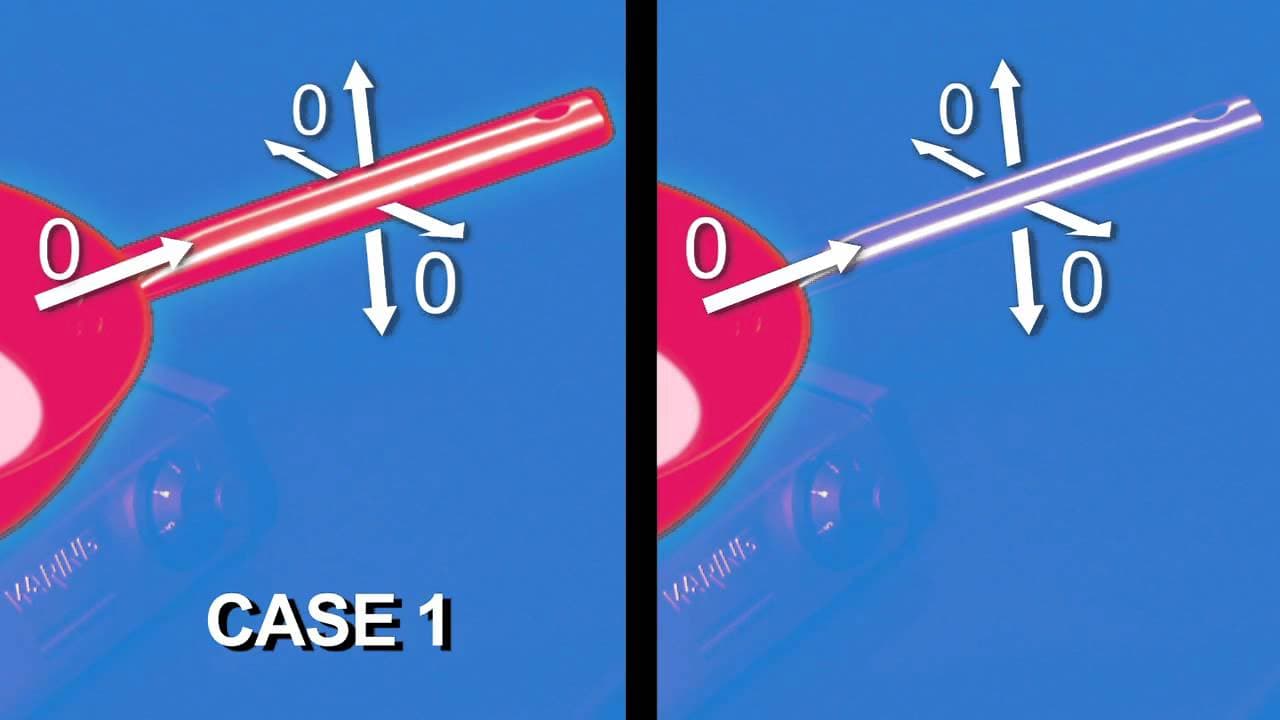
This video explains the difference between thermal equilibrium and steady state temperature, using examples of a metal bar and a pan handle, and how they relate to heat flow rates.
Transcript
Here's a pan on a stove top. The pan's body and handle are made out of the same material. The burner has been turned on for a little while, and the pan body is hot enough to cook this egg. But what about the handle? Is it too hot to touch? Or is it cool enough to hold? Let's find out. This video is part of the Equilibrium video series. It is often ... Read More
Key Insights
- 🥵 Equilibrium and steady state are not the same; equilibrium refers to no heat transfer, while steady state refers to constant temperature.
- 🪐 Thermal equilibrium occurs when there is no net transfer of energy between a system and its surroundings.
- ⏳ Steady state occurs when a system's temperature remains constant over time with a constant heat flow rate.
- ❓ Systems at thermal equilibrium are also at steady-state temperature, but not all systems at steady state are in thermal equilibrium.
Install to Summarize YouTube Videos and Get Transcripts
Explore YouTube Video Summarizer or Get YouTube Transcript Extractor
Questions & Answers
Q: What is the difference between thermal equilibrium and steady state?
Thermal equilibrium occurs when there is no net transfer of energy between a system and its surroundings, while steady state refers to a system's temperature remaining constant over time with a constant heat flow rate.
Q: How can we determine if a system is at thermal equilibrium?
If there is no difference in temperature between the system and its surroundings and no heat transfer between them, then the system is at thermal equilibrium.
Q: Can a system be at steady state without being in thermal equilibrium?
Yes, a system can be at steady state without being in thermal equilibrium. In steady state, there is a constant and equal heat flow rate into and out of the system, while thermal equilibrium requires no heat transfer.
Q: How does the temperature profile of a handle change in steady state?
In steady state, the temperature profile of a handle will stop changing over time. It will be hottest closest to the heat source and coolest far away from it, with a constant heat flow rate from the source to the handle.
Summary & Key Takeaways
-
The video discusses the concepts of thermal equilibrium and steady state and how they are different.
-
Thermal equilibrium occurs when there is no net transfer of energy between a system and its surroundings, and the temperatures of the system and surroundings remain constant.
-
Steady state occurs when a system's temperature remains constant over time, with a constant and equal heat flow rate into and out of the system.
Read in Other Languages (beta)
Share This Summary 📚
Summarize YouTube Videos and Get Video Transcripts with 1-Click
Try YouTube Summary with ChatGPT & Claude or YouTube Transcript Generator
Explore More Summaries from MIT OpenCourseWare 📚

Summarize YouTube Videos and Get Video Transcripts with 1-Click
Try YouTube Summary with ChatGPT & Claude or YouTube Transcript Generator