Position Sizing & Risk Management - Stock Trading Strategies
TL;DR
Understanding position sizing and risk management is crucial in stock investing to avoid excessive losses and make informed decisions.
Transcript
in this video we're going to talk about position sizing and risk management when investing in stocks and we're going to use an example problem to illustrate this so number one rachel and tim each have a trading account balance of fifty thousand dollars rachel buys 25 shares of stock xyz which is currently trading at ten dollars tim buys a thousand ... Read More
Key Insights
- 🧘 Position sizing and risk management are vital in stock investing to limit potential losses and protect trading account balances.
- 😚 By investing only what you can afford to lose, fear and emotions do not heavily influence decision-making.
- ✳️ A recommended percentage to risk in trades is 1-2% of your trading account balance for better risk management.
- 🥺 Effective risk management can lead to higher returns on investment, as demonstrated by Rachel's better ROI compared to Tim.
- 🌸 Small losses can be tolerated, but significant losses can have a detrimental impact on trading account balances.
- 🧑🏭 Understanding the factors affecting stock prices, such as company performance and market conditions, is essential in making informed investment decisions.
- 🌸 Risk management should be a priority for investors to limit potential losses and protect their capital.
Install to Summarize YouTube Videos and Get Transcripts
Explore YouTube Video Summarizer or Get YouTube Transcript Extractor
Questions & Answers
Q: Why is position sizing and risk management important in stock investing?
Position sizing and risk management are crucial because they limit potential losses and prevent fear from affecting decision-making. By investing only what you can afford to lose, you minimize risks and protect your trading account balance.
Q: How does Rachel's risk differ from Tim's in the example mentioned?
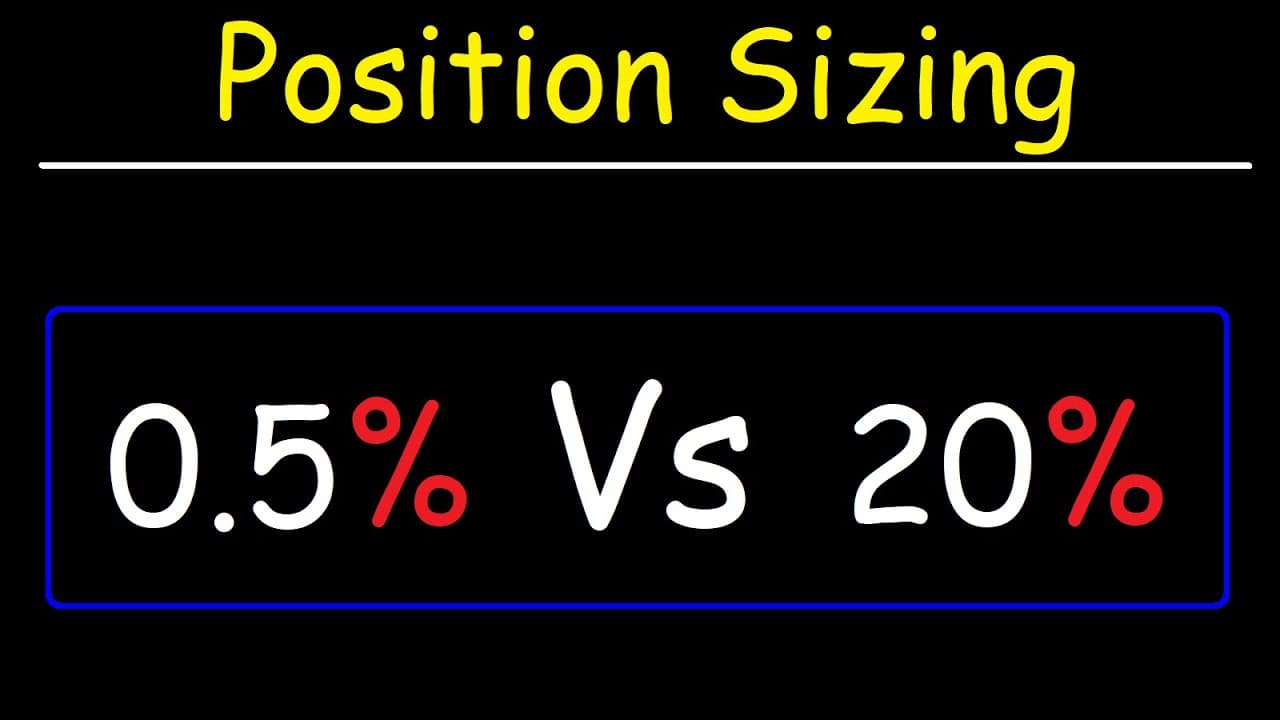
Rachel, with her smaller investment, is risking only 0.5% of her trading account balance. On the other hand, Tim is risking 20% of his total account balance, making him more susceptible to fear and potential losses.
Q: What is the recommended percentage of trading account balance to risk in stock investments?
It is generally advised to not invest more than 1-2% of your trading account balance in a single trade. This ensures that potential losses are limited and mistakes can be learned from without risking excessive amounts.
Q: How does the example illustrate the impact of risk management on ROI?
Rachel's ROI is significantly higher than Tim's because she managed her risk effectively. Despite the stock rebounding, Tim's ROI was negative due to his high risk exposure, while Rachel enjoyed a positive return on her investment.
Summary & Key Takeaways
-
Rachel and Tim have different trading account balances and investment strategies, leading to varying levels of risk.
-
Rachel is willing to risk only 0.5% of her trading account, while Tim is risking 20% of his total account on a trade.
-
By limiting the amount invested and practicing risk management, fear does not impact decision-making as much.
Read in Other Languages (beta)
Share This Summary 📚
Summarize YouTube Videos and Get Video Transcripts with 1-Click
Try YouTube Summary with ChatGPT & Claude or YouTube Transcript Generator
Explore More Summaries from The Organic Chemistry Tutor 📚






Summarize YouTube Videos and Get Video Transcripts with 1-Click
Try YouTube Summary with ChatGPT & Claude or YouTube Transcript Generator