Engineers to the Rescue! | National Geographic
TL;DR
Expert engineers from 50 nations faced the daunting task of moving Abu Simbel temple due to rising water levels.
Transcript
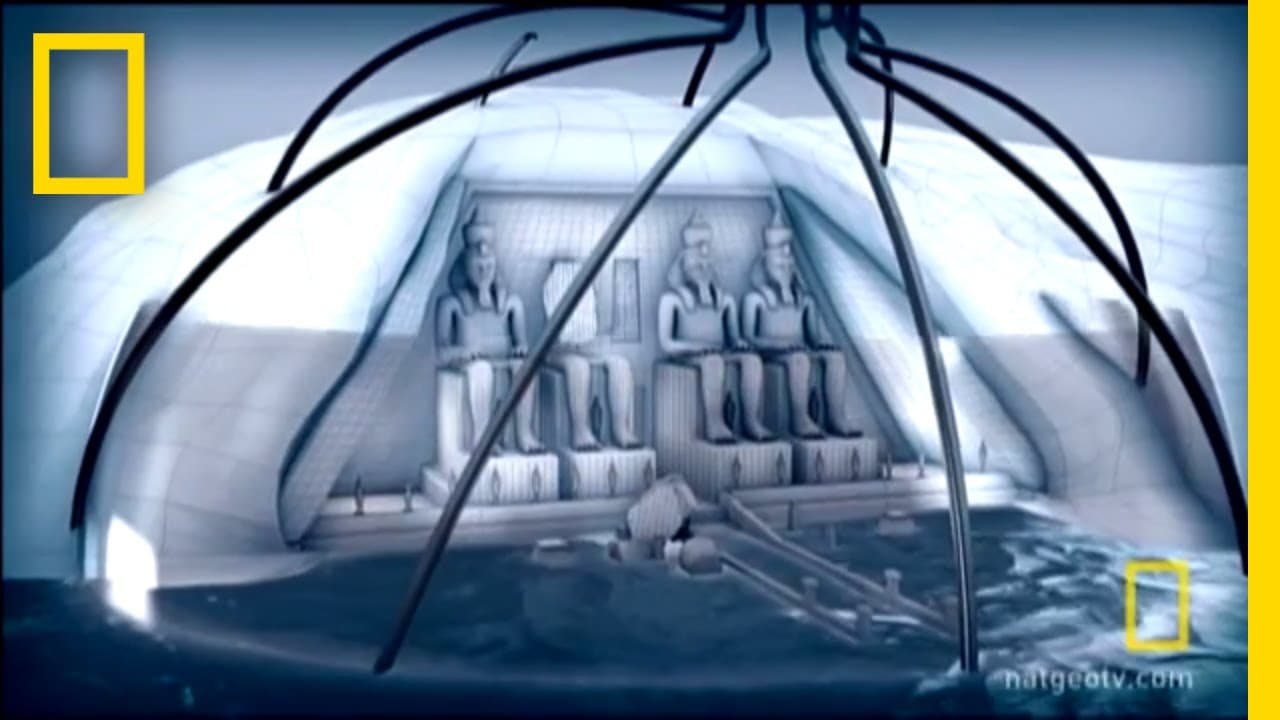
experts from over 50 nations put their heads together to find the best way to save the temples the most daunting challenge was abu simbel's mountain setting one idea was to allow abu simbel to flood and construct a kind of colossal aquarium they would build a dome around the site pumps inside the walls would filter the muddy nile to maintain the vi... Read More
Key Insights
- 🌍 Collaboration among international experts is crucial in solving complex engineering challenges.
- 😮 Environmental factors, such as rising water levels, can threaten historical sites like Abu Simbel.
- 💇 Balancing preservation and safety often requires difficult decisions, such as cutting monuments into sections for relocation.
- 🎃 Innovative engineering solutions, like hydraulic jacks and concrete pillars, can be used to move massive structures safely.
- 😤 Moving historical landmarks requires meticulous planning, risk assessment, and coordination among various teams.
- 😀 The maintenance and relocation of heritage sites demand a balance between preservation and practicality in the face of environmental threats.
- 😀 The unique challenges faced in relocating Abu Simbel highlight the complexities of preserving ancient monuments in changing landscapes.
Install to Summarize YouTube Videos and Get Transcripts
Explore YouTube Video Summarizer or Get YouTube Transcript Extractor
Questions & Answers
Q: How did experts initially plan to save Abu Simbel from flooding?
Initially, experts proposed submerging Abu Simbel in an aquarium with filtered water and observation galleries, but the porous sandstone posed a risk of erosion, leading to the decision to relocate the temples.
Q: What were the challenges faced in moving Abu Simbel intact?
Moving Abu Simbel intact posed challenges due to a massive cliff above the temple extending into the rock, weighing 250,000 tons, requiring a complex lifting process with hydraulic jacks and concrete pillars.
Q: Why was the idea of floating Abu Simbel on a barge deemed risky?
Floating Abu Simbel on a barge was risky due to the slow pace of water level rise, with the potential for damage during storms, leading engineers to consider cutting the temple into sections for a safer move.
Q: How did engineers decide on the final method to save Abu Simbel?
Engineers settled on cutting Abu Simbel into smaller sections for relocation, despite initial reluctance from archaeologists, as it was deemed the safest and most efficient method.
Summary & Key Takeaways
-
Over 50 nations collaborate to save the temples, with Abu Simbel facing the challenge of flooding due to a dam.
-
Proposed solutions include submerging the site in an aquarium and elevating the temples to higher ground.
-
The final plan consists of cutting the temples into sections and relocating them to safer, drier land.
Read in Other Languages (beta)
Share This Summary 📚
Summarize YouTube Videos and Get Video Transcripts with 1-Click
Try YouTube Summary with ChatGPT & Claude or YouTube Transcript Generator
Explore More Summaries from National Geographic 📚



Summarize YouTube Videos and Get Video Transcripts with 1-Click
Try YouTube Summary with ChatGPT & Claude or YouTube Transcript Generator