What Are the Consequences of Silence in Society?
TL;DR
Silence in the face of injustice leads to consequences like discrimination, violence, and even genocide. It's essential to recognize and address our own silences, as they can perpetuate ignorance and suffering. By speaking up, we can create a culture of dignity and bravery, transforming silence into a powerful act of advocacy.
Transcript
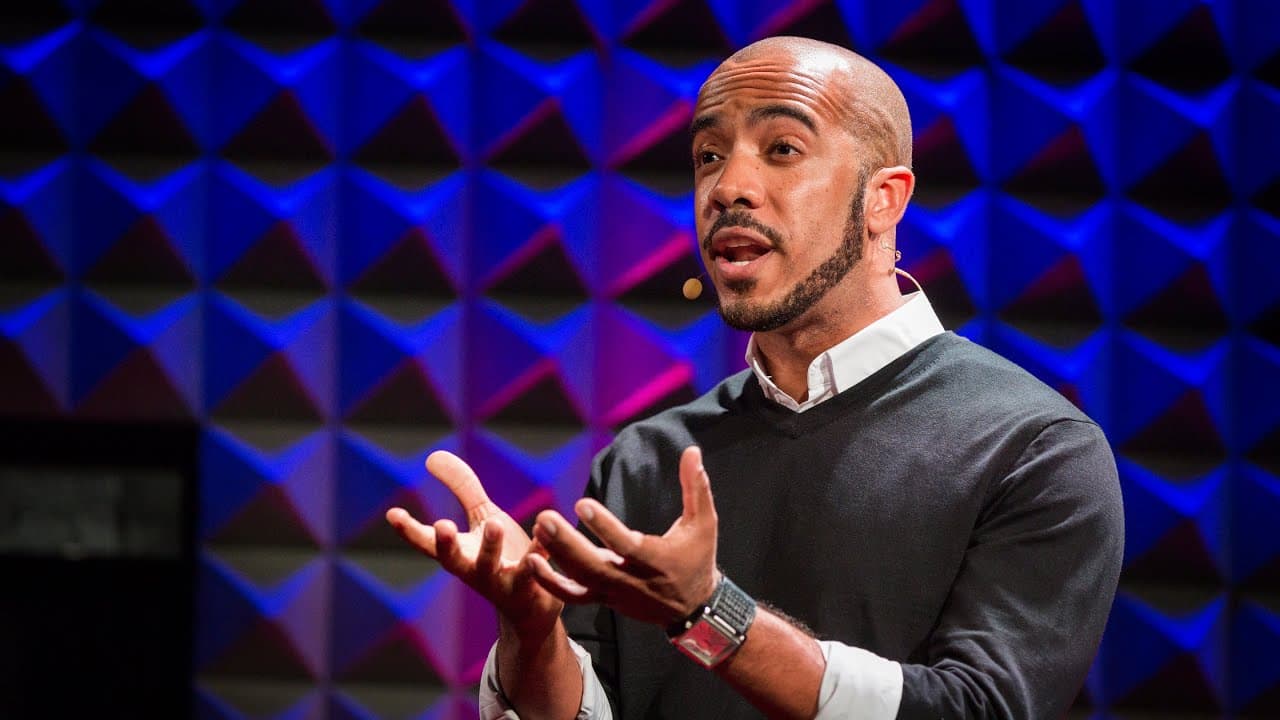
Dr. Martin Luther King, Jr., in a 1968 speech where he reflects upon the Civil Rights Movement, states, "In the end, we will remember not the words of our enemies but the silence of our friends." As a teacher, I've internalized this message. Every day, all around us, we see the consequences of silence manifest themselves in the form of discriminati... Read More
Key Insights
- 🔍 Discrimination, violence, genocide, and war are consequences of silence.
- 💡 Exploring the silences in their own lives through poetry helps students understand and fill those spaces.
- 📚 Four core principles - read critically, write consciously, speak clearly, tell your truth - create a safe space for students to share their silences.
- 🔥 Silence can be a form of sacrifice, but it can also reinforce ignorance and validate discrimination.
- 🚫 Ignoring or not speaking up against injustice perpetuates suffering and denies dignity.
- 🌍 Silence is the residue of fear and can lead to grave atrocities like genocide and natural disasters like Hurricane Katrina.
- ⚖️ There is no choice in picking battles when battles have already picked you; silence is not an option.
- 🎙️ Choosing to use your voice and speak up is a powerful act of bravery and can make a difference in the lives of others.
Install to Summarize YouTube Videos and Get Transcripts
Explore YouTube Video Summarizer or Get YouTube Transcript Extractor
Questions & Answers
Q: What is the significance of Dr. Martin Luther King, Jr.'s quote, "In the end, we will remember not the words of our enemies but the silence of our friends"?
Dr. Martin Luther King, Jr.'s quote emphasizes the importance of speaking up against injustice. He suggests that the silence of friends can be more impactful and harmful than the words of enemies. This quote highlights the consequences of remaining silent in the face of discrimination, violence, genocide, and war.
Q: How does the teacher encourage their students to explore the silences in their own lives?
The teacher challenges their students to explore the silences in their own lives through poetry. By engaging in poetic expression, students are encouraged to recognize and name the spaces of silence they may have experienced. This approach aims to create a safe and supportive classroom environment where students can share their intimate experiences of silence without feeling ashamed.
Q: What are the four core principles posted on the board in the teacher's classroom?
The four core principles posted on the board in the teacher's classroom are: "read critically, write consciously, speak clearly, tell your truth." These principles set the foundation for the classroom culture, ensuring that students develop critical thinking skills, express themselves effectively, and feel empowered to share their own truths.
Q: How does the teacher emphasize the importance of speaking up by sharing their personal experiences?
The teacher recognizes that in order to ask their students to speak up, they must lead by example and tell their own truth. The teacher shares personal stories from their life, highlighting times where they failed to speak up and remained silent. By being honest about their own struggles with silence, the teacher aims to inspire students to find their own voices and speak out against injustice.
Q: What does the teacher suggest is the impact of silence?
The teacher suggests that silence can have detrimental consequences. They describe silence as the residue of fear, a suffocating feeling that stifles one's ability to speak. The teacher associates silence with historical events such as the Rwandan genocide and Hurricane Katrina, illustrating how silence can allow atrocities to occur. They assert that silence is not an option and that speaking up is vital in combating oppression and injustice.
Summary & Key Takeaways
-
Dr. Martin Luther King, Jr. emphasizes the importance of not remaining silent in the face of injustice.
-
The author as a teacher challenges their students to explore their own silences through poetry and encourages them to speak up and tell their truth.
-
The author reflects on their own past silences and pledges to use their voice to confront discrimination and advocate for their students.
Read in Other Languages (beta)
Share This Summary 📚
Summarize YouTube Videos and Get Video Transcripts with 1-Click
Try YouTube Summary with ChatGPT & Claude or YouTube Transcript Generator
Explore More Summaries from TED 📚
Summarize YouTube Videos and Get Video Transcripts with 1-Click
Try YouTube Summary with ChatGPT & Claude or YouTube Transcript Generator