Great Pacific Garbage Patch
TL;DR
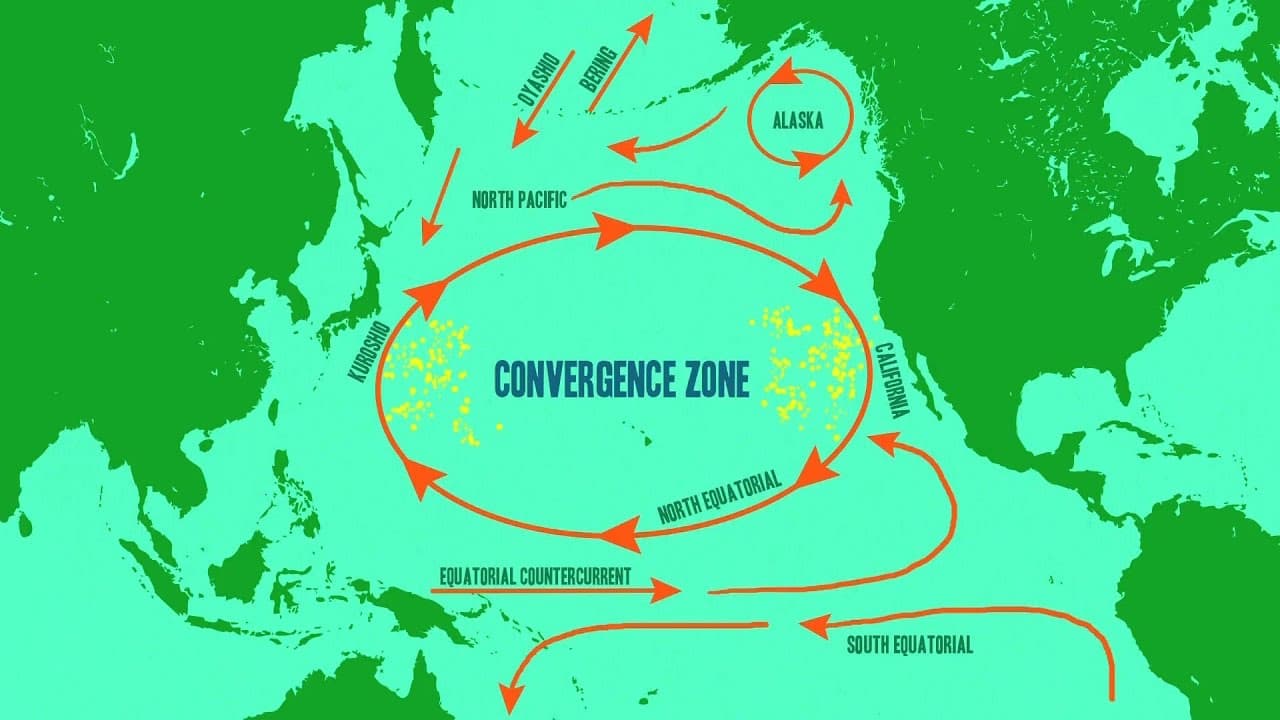
The North Pacific Gyre is an enormous area in the ocean that acts as a landfill due to the accumulation of trash, including non-biodegradable plastics, and poses a threat to marine life.
Transcript
You know those plastic stickers that they put on apples? What do you do with that sticker? Do you always walk it over to a trash can or do you just kind of flick it off onto the floor of your car where it ends up stuck to your shoe and then dragged onto the street and then maybe when it rains it finds its way down a sewer grate and onto a stream an... Read More
Key Insights
- 🇲🇵 The North Pacific Gyre is a significant accumulation of trash in the ocean, resulting from both land and offshore sources.
- 🚱 The trash in the gyre consists largely of non-biodegradable plastics that photodegrade into smaller particles, polluting the water.
- 😀 Marine life in the gyre faces multiple threats, from entanglement in fishing nets to ingesting plastic and chemical exposure.
- 🗑️ Proper disposal of trash is crucial to prevent further pollution and damage to marine ecosystems.
- 😑 The North Pacific Gyre demonstrates the pressing need for global action and awareness regarding ocean pollution.
- ❓ The size and complexity of the gyre make it challenging to study and clean up effectively.
- 🗑️ The accumulation of trash in the gyre highlights the importance of reducing plastic waste and promoting sustainable practices.
Install to Summarize YouTube Videos and Get Transcripts
Explore YouTube Video Summarizer or Get YouTube Transcript Extractor
Questions & Answers
Q: What is the North Pacific Gyre?
The North Pacific Gyre is a massive system of ocean currents that acts as a vortex, collecting trash and forming a large ecosystem in the North Pacific.
Q: How much trash is present in the North Pacific Gyre?
There is estimated to be at least 100 million tons of trash in the gyre, and this number continues to increase due to the non-biodegradable nature of the plastics.
Q: How does trash end up in the gyre?
Around 80% of the trash in the gyre comes from land, carried by powerful ocean currents. The remaining 20% comes from offshore oil rigs, commercial fishing, and cargo ships.
Q: What are the consequences of the North Pacific Gyre's trash on marine life?
Marine life faces numerous challenges, including entanglement in fishing nets, ingestion of plastics, and exposure to harmful chemicals leached from the trash, disrupting the food chain and causing detrimental effects.
Summary & Key Takeaways
-
The North Pacific Gyre is a large system of ocean currents that collects trash and forms one of the world's largest ecosystems.
-
The gyre is not a floating island of trash but consists of two huge areas with high concentrations of suspended garbage.
-
The trash in the gyre is primarily composed of non-biodegradable plastics that photodegrade into microscopic particles, polluting the water and harming marine life.
Read in Other Languages (beta)
Share This Summary 📚
Summarize YouTube Videos and Get Video Transcripts with 1-Click
Try YouTube Summary with ChatGPT & Claude or YouTube Transcript Generator
Explore More Summaries from SciShow 📚


Summarize YouTube Videos and Get Video Transcripts with 1-Click
Try YouTube Summary with ChatGPT & Claude or YouTube Transcript Generator