Should You Share Passwords in Relationships?
TL;DR
Sharing passwords in a relationship is a personal choice and can be a sign of trust, but it may also lead to misunderstandings if done prematurely. It's essential to communicate openly and respect each other's privacy to maintain a healthy relationship. Cultural, generational, and gender differences influence attitudes towards password sharing.
Transcript
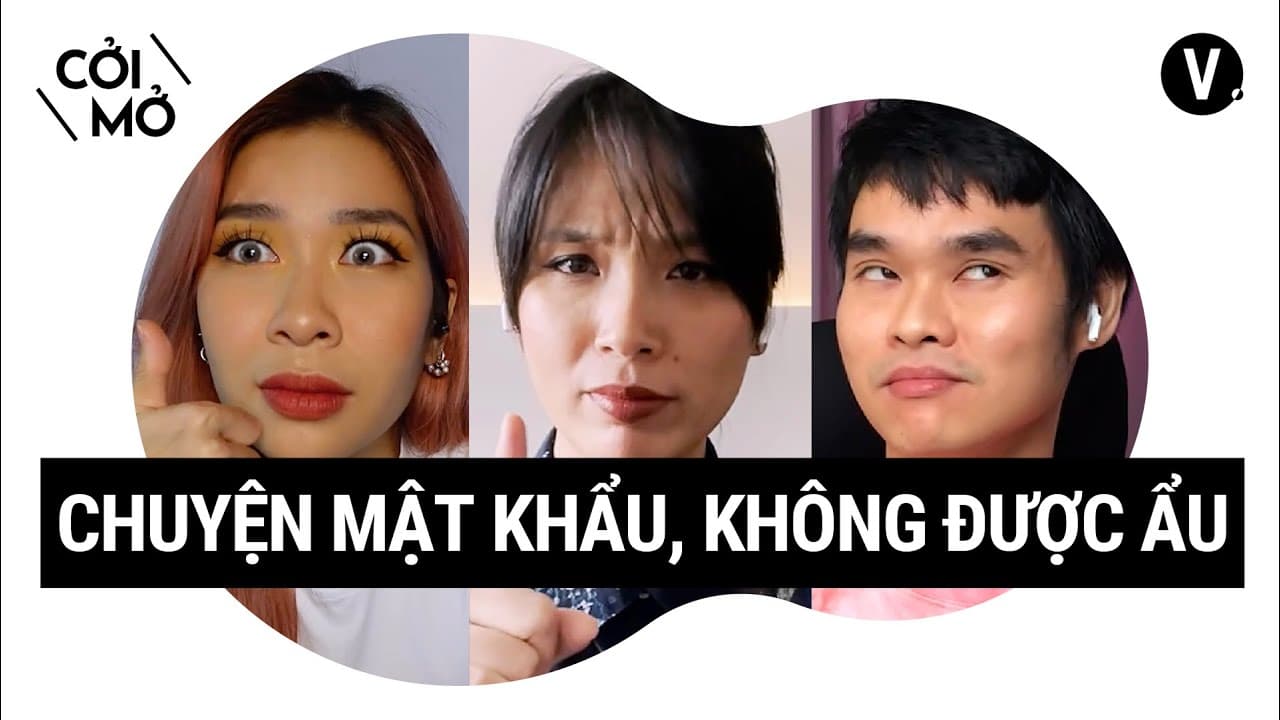
I want to ask Minh and Trang if you share password with your partner. Yes. Me? I will if they want, I don't offer to give. Okay, let me ask my hubby to see. Yes, he said... So, generally my household is... But maybe I'm more on Trang's side. I will give if they ask, but I don't go around say "here it is". Not like that. - What about Nam?
- I don't ... Read More
Key Insights
- Sharing passwords can be seen as a sign of trust but may lead to privacy invasion.
- Cultural differences affect attitudes towards password sharing; English people are more open than Americans.
- Generational differences show younger people are more comfortable sharing passwords.
- Women tend to be more cautious than men when it comes to sharing passwords.
- Open communication is crucial for a healthy relationship and to avoid misunderstandings.
- Trust should be built over time; sharing passwords too early can lead to unnecessary conflicts.
- Personal privacy should be respected, even in close relationships.
- Password sharing is likened to using a condom in a relationship, providing protection and security.
Install to Summarize YouTube Videos and Get Transcripts
Explore YouTube Video Summarizer or Get YouTube Transcript Extractor
Questions & Answers
Q: Why do some people hesitate to share passwords in a relationship?
People may hesitate to share passwords in a relationship due to privacy concerns and the fear of misunderstandings. Sharing passwords can lead to unnecessary conflicts if done prematurely, as partners may misinterpret messages or search histories. It's important to build trust gradually and communicate openly about boundaries and expectations.
Q: How do cultural differences affect attitudes towards password sharing?
Cultural differences significantly impact attitudes towards password sharing. In some cultures, like the UK, sharing passwords is seen as a strong sign of connection and trust. In contrast, Americans are generally more private and less likely to share passwords with partners. These differences highlight the importance of understanding cultural contexts in relationships.
Q: What role does gender play in password sharing in relationships?
Gender can influence attitudes towards password sharing in relationships. Studies suggest that women are generally more cautious than men about sharing passwords, especially in the early stages of a relationship. This caution may stem from concerns about privacy and the potential for misunderstandings, highlighting the need for open communication.
Q: How do generational differences impact the willingness to share passwords?
Generational differences significantly impact the willingness to share passwords. Younger generations, like Gen-Z, are more comfortable sharing personal information, including passwords, compared to older generations. This openness may be attributed to growing up in a digital age where sharing online is more common, contrasting with older generations who prioritize privacy.
Q: What are the potential risks of sharing passwords too early in a relationship?
Sharing passwords too early in a relationship can lead to privacy invasion and misunderstandings. Partners may misinterpret messages or search histories, leading to unnecessary conflicts. It's important to build trust gradually and establish clear communication about boundaries to avoid these risks and maintain a healthy relationship.
Q: Why is open communication important in relationships regarding password sharing?
Open communication is crucial in relationships, particularly regarding password sharing, to prevent misunderstandings and build trust. By discussing boundaries and expectations, partners can ensure mutual respect for privacy. Clear communication helps address any insecurities and allows partners to navigate the complexities of sharing personal information effectively.
Q: How can couples balance trust and privacy in a relationship?
Couples can balance trust and privacy by establishing clear boundaries and maintaining open communication. It's important to respect each other's personal space and privacy while building trust gradually. Sharing passwords should not be equated with complete transparency; instead, focus on fostering a supportive environment where both partners feel secure and respected.
Q: What is the analogy between password sharing and using a condom in a relationship?
Password sharing is likened to using a condom in a relationship as both provide a sense of protection and security. Just as condoms prevent physical risks, sharing passwords can safeguard emotional trust. However, both require careful consideration and should not replace open communication and mutual respect to maintain a healthy and balanced relationship.
Summary & Key Takeaways
-
Sharing passwords in a relationship can symbolize trust but may also lead to privacy concerns. Open communication and respecting each other's privacy are key to maintaining a healthy relationship. Cultural and generational differences influence attitudes towards password sharing.
-
Women tend to be more cautious about sharing passwords than men. Younger generations are more open to sharing personal information. It's important to build trust gradually and avoid sharing passwords too early to prevent misunderstandings.
-
Respecting personal privacy is essential, even in close relationships. Sharing passwords should not be equated with complete transparency. It's crucial to communicate openly and maintain a balance between trust and privacy.
Read in Other Languages (beta)
Share This Summary 📚
Summarize YouTube Videos and Get Video Transcripts with 1-Click
Try YouTube Summary with ChatGPT & Claude or YouTube Transcript Generator
Explore More Summaries from Vietcetera 📚




Summarize YouTube Videos and Get Video Transcripts with 1-Click
Try YouTube Summary with ChatGPT & Claude or YouTube Transcript Generator