How Fighting Wildfires Makes Them Worse
TL;DR
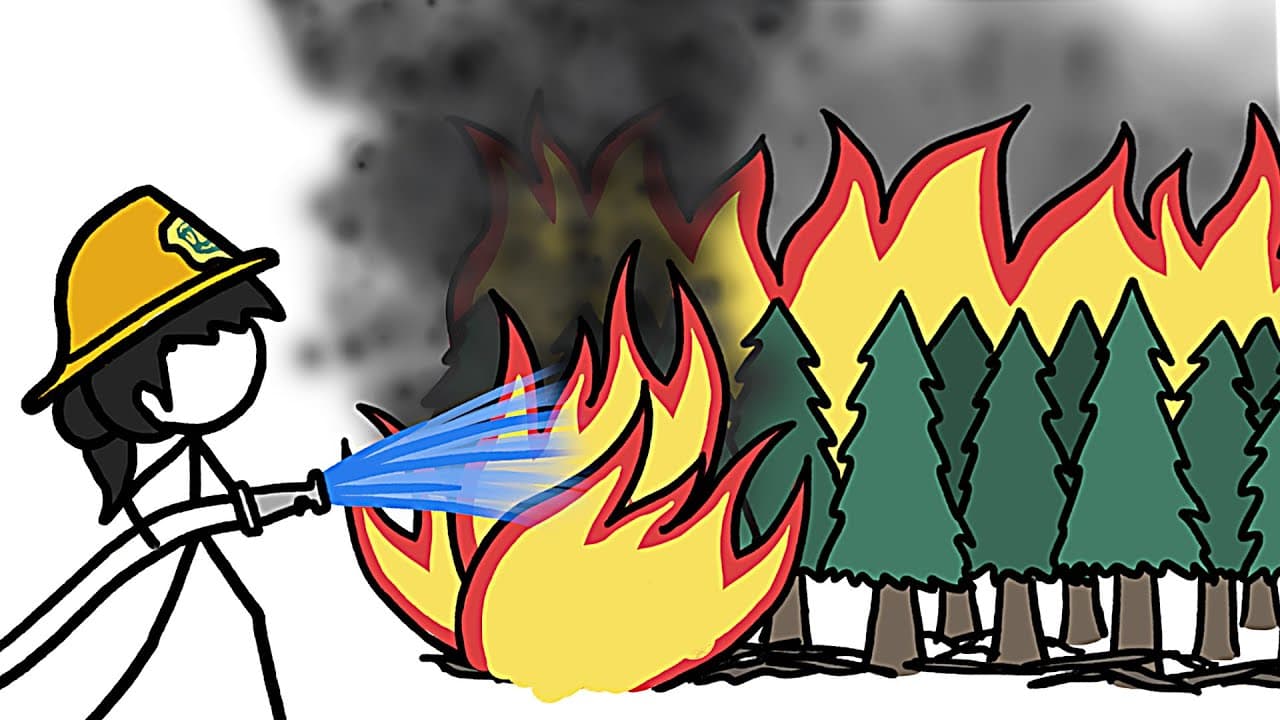
The increasing intensity and frequency of wildfires in the U.S. due to climate change and mismanagement of forests necessitates the use of controlled burns as a preventive measure.
Transcript
Survivors of the 1871 fire in Peshtigo, Wisconsin – which vaporized 1.5 million acres of forest and killed 1500 people – reported a wall of flame five miles wide that traveled at 90 miles per hour and tossed trains into the air. Four decades later, an even larger inferno roared through the Rocky Mountains, scorching an area the size of Connecticut.... Read More
Key Insights
- 🥺 Epic wildfires in the past century led to the formation of the U.S. Forest Service and its fire management policy.
- ❤️🔥 Denser forests resulting from decreased fire activity contribute to the severity of modern wildfires.
- 💄 Climate change worsens forest conditions, making them more susceptible to wildfires.
- ⛽ Controlled burns and selective logging can help prevent catastrophic wildfires by reducing fuel loads.
- 😀 The Forest Service faces budget limitations, with more funds allocated to emergency measures than preventive actions.
- ❤️🔥 As emergency costs soar, the Forest Service's budget stagnates, hindering effective fire prevention.
- 🔥 Congress needs to recognize the importance of controlled burns and allocate sufficient funds to forest management programs.
Install to Summarize YouTube Videos and Get Transcripts
Explore YouTube Video Summarizer or Get YouTube Transcript Extractor
Questions & Answers
Q: How did the devastating wildfires in the 1870s and the 40s contribute to the formation of the U.S. Forest Service?
The wildfires in Peshtigo, Wisconsin, and the Rocky Mountains played a crucial role in the establishment of the U.S. Forest Service due to the massive destruction they caused. This led to the adoption of a policy to prevent and suppress wildfires aggressively.
Q: Why have wildfires become more severe despite a decrease in their overall numbers?
The decline in wildfires created denser forests with highly flammable vegetation, making them prone to more intense fires. Young conifers' combustible needles and dead or dying trees' tinder-dry branches contribute to the severity and size of modern wildfires.
Q: How does climate change affect the intensity of wildfires?
Climate change causes hotter and drier conditions in forests, making them more susceptible to wildfires. Increasing temperatures and reduced moisture levels contribute to the spread and severity of fires.
Q: How can controlled burns and selective logging help prevent wildfires?
Controlled burns, conducted in favorable weather conditions, can help reduce fuel loads and make forests less prone to intense fires. Selective logging can also thin out crowded growth, reducing fuel availability for fires and mitigating their severity.
Summary & Key Takeaways
-
Wildfires in the past century led to the establishment of the U.S. Forest Service and its aggressive policy to prevent and suppress wildfires, which initially seemed effective.
-
However, the decline in wildfires resulted in denser and more flammable forests, leading to hotter, faster, and larger blazes today.
-
The Forest Service now spends a significant portion of its budget on fire prevention and suppression, while climate change exacerbates the wildfire problem.
Read in Other Languages (beta)
Share This Summary 📚
Summarize YouTube Videos and Get Video Transcripts with 1-Click
Try YouTube Summary with ChatGPT & Claude or YouTube Transcript Generator
Explore More Summaries from MinuteEarth 📚





Summarize YouTube Videos and Get Video Transcripts with 1-Click
Try YouTube Summary with ChatGPT & Claude or YouTube Transcript Generator