What Are the Key Events in Genesis 1-11?

TL;DR
Genesis 1-11 covers the origins of the universe, humanity, and key events like creation, the fall, the flood, and the Tower of Babel. It highlights the introduction of sin, God's judgment through the flood, and the dispersion of nations. These chapters lay the foundational narrative for understanding humanity's relationship with God and the promise of redemption.
Transcript
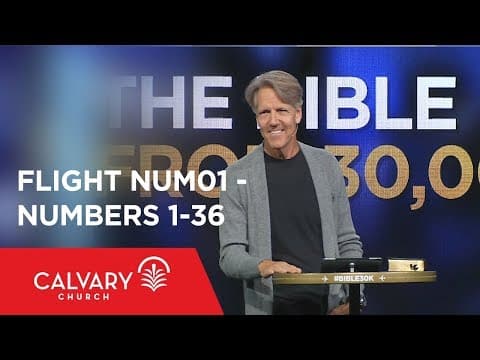
the Bible from 30,000 feet soaring through the scripture from Genesis to Revelation turn in your Bible turn in the book of books to the first book the book of Genesis where we are going to look at the first 11 chapters in this first flight we're about to embark on a very special journey a fast-paced journey through the Bible each flight beg... Read More
Key Insights
- Genesis 1-11 covers the creation of the universe, the fall of man, the flood, and the Tower of Babel.
- The creation account includes the formation of the heavens and the earth, and the creation of humanity in God's image.
- The fall introduces sin into the world, with Adam and Eve disobeying God, leading to humanity's separation from God.
- The flood represents God's judgment on a corrupt world, sparing only Noah and his family.
- The Tower of Babel narrative explains the origin of different languages and the dispersion of people groups.
- Genesis is foundational for understanding the rest of the Bible, introducing key themes like sin, judgment, and redemption.
- The Bible is considered a special revelation from God, providing answers to existential questions beyond human reason and experience.
- The Bible, especially Genesis, points to one person, Jesus Christ, and two events: His first and second coming.
Install to Summarize YouTube Videos and Get Transcripts
Explore YouTube Video Summarizer or Get YouTube Transcript Extractor
Questions & Answers
Q: What are the key events in Genesis 1-11?
Genesis 1-11 includes the creation of the universe, the fall of man, the flood, and the Tower of Babel. These events establish foundational themes of creation, sin, judgment, and redemption, illustrating humanity's relationship with God and setting the stage for the biblical narrative.
Q: How does Genesis describe the creation of the world?
Genesis describes the creation of the world as an orderly process initiated by God, who creates the heavens, the earth, and all living beings in six days. Humanity is created in God's image, given dominion over creation, and established as stewards of the earth, highlighting a unique relationship with the divine.
Q: What is the significance of the fall in Genesis?
The fall in Genesis marks humanity's disobedience to God, introducing sin and separation from the divine. Adam and Eve's choice to eat from the forbidden tree results in spiritual death and broken fellowship with God, setting the stage for the need for redemption and the promise of a future savior.
Q: What does the flood narrative teach about God's judgment?
The flood narrative illustrates God's judgment on a corrupt and sinful world, sparing only Noah and his family. It demonstrates God's willingness to cleanse the earth of wickedness while preserving a remnant to rebuild and renew creation, emphasizing both divine justice and mercy.
Q: What is the purpose of the Tower of Babel story?
The Tower of Babel story explains the origin of diverse languages and the dispersion of people groups. It highlights humanity's pride and desire for self-glorification, leading to God's intervention to scatter them across the earth, ensuring that no single group could dominate or centralize power against divine will.
Q: How does Genesis 1-11 set the stage for the rest of the Bible?
Genesis 1-11 establishes foundational themes of creation, sin, judgment, and redemption. It introduces key narratives that explain humanity's relationship with God, the introduction of sin, and the promise of a redeemer, setting the stage for the unfolding story of salvation throughout the rest of the Bible.
Q: What is the role of revelation in understanding Genesis?
Revelation plays a crucial role in understanding Genesis, as it provides insights beyond human reason and experience. The Bible is considered a special revelation from God, offering answers to existential questions about origins, purpose, and the divine plan for humanity, which are not accessible through natural means alone.
Q: Why is Genesis considered foundational for biblical understanding?
Genesis is foundational for biblical understanding because it introduces key themes and narratives that shape the entire biblical story. It explains the origins of the universe, humanity, and sin, and sets the stage for the promise of redemption through a future savior, which is fulfilled in the life and work of Jesus Christ.
Summary & Key Takeaways
-
Genesis 1-11 outlines the origins of the universe and humanity, introducing key themes such as creation, sin, and redemption. The narrative includes the creation of the world, the fall of man, the flood, and the dispersion at Babel, setting the stage for the rest of the biblical story.
-
The creation account in Genesis describes God's formation of the universe and mankind, establishing a foundation for understanding humanity's unique relationship with the divine. This relationship is marred by the fall, where disobedience introduces sin into the world.
-
The flood narrative demonstrates God's judgment on human wickedness, sparing Noah's family to start anew. The Tower of Babel story explains the origin of languages and the scattering of people, emphasizing humanity's tendency to rebel against divine authority.
Read in Other Languages (beta)
Share This Summary 📚
Summarize YouTube Videos and Get Video Transcripts with 1-Click
Try YouTube Summary with ChatGPT & Claude or YouTube Transcript Generator
Explore More Summaries from Calvary Church with Skip Heitzig 📚





Summarize YouTube Videos and Get Video Transcripts with 1-Click
Try YouTube Summary with ChatGPT & Claude or YouTube Transcript Generator