There’s Still Oil on This Beach 26 Years After the Exxon Valdez Spill (Part 3) | National Geographic
TL;DR
Investigating the lasting effects of a 26-year-old oil spill on marine life, specifically pink salmon and killer whales.
Transcript
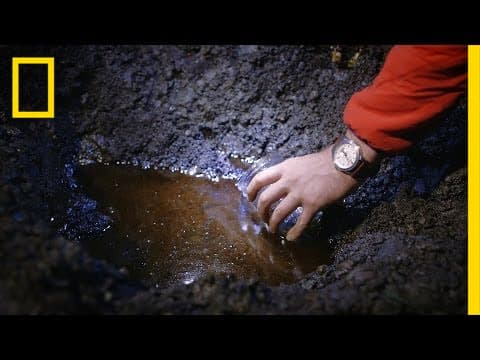
so we pulled into this Bay and we're waiting for the tide to drop down the tide is dropping just before midnight so we have a Scott to wait it out so we can look at one of these beaches where we're told there's oil and swimming over the top of the beach are several hundred pink salmon it is a salmon that people and animals eat and here there are hu... Read More
Key Insights
- 🍝 Significant pollution from a past oil spill can still impact marine ecosystems decades later.
- 🛢️ Specialized tools like oil sorbents aid in highlighting the persistence of oil residues in the environment.
- 🐳 Extinction risks for unique marine species like killer whales underscore the long-term consequences of oil spills.
- 👨🔬 Continued research and conservation efforts are crucial to protecting vulnerable marine populations from the effects of oil pollution.
- 🌐 The global scale of oil spills emphasizes the need for stringent environmental regulations and proactive measures to prevent future disasters.
- 🛢️ Remote and pristine environments may still suffer from the lasting impacts of historical oil spills.
- 🖐️ Dedicated individuals and researchers play a vital role in monitoring and addressing the ongoing effects of oil pollution on marine ecosystems.
Install to Summarize YouTube Videos and Get Transcripts
Explore YouTube Video Summarizer or Get YouTube Transcript Extractor
Questions & Answers
Q: What evidence suggests the presence of toxic oil remnants on the beach?
The observation of pink salmon swimming over the suspected area and the use of oil-absorbing materials like oil sorbents provide tangible evidence of lingering oil residues from the past spill.
Q: How do researchers collect data on killer whale populations affected by the spill?
Researchers like Craig collect salmon scales from fresh killer whale kills, enabling them to map out the specific fish species, age, and location, providing insights into the impact of the spill on the whales' food sources.
Q: What unique factors contribute to the extinction risk of the Chugach pod?
The Chugach pod's genetic and acoustic uniqueness, combined with the advanced age of the reproductive females, heightens the risk of their extinction due to the long-term effects of the oil spill.
Summary & Key Takeaways
-
Researchers investigate a beach for toxic oil residues from a past spill, observing pink salmon swimming over the area.
-
Utilizing specialized tools like oil sorbents, experts demonstrate the persistence of oil pollution years after a spill.
-
Scientists study killer whales affected by the spill, revealing potential extinction risks for the Chugach pod.
Read in Other Languages (beta)
Share This Summary 📚
Summarize YouTube Videos and Get Video Transcripts with 1-Click
Try YouTube Summary with ChatGPT & Claude or YouTube Transcript Generator
Explore More Summaries from National Geographic 📚



Summarize YouTube Videos and Get Video Transcripts with 1-Click
Try YouTube Summary with ChatGPT & Claude or YouTube Transcript Generator