I Read Like Warren Buffett for 5 Days... Was it Worth it?
TL;DR
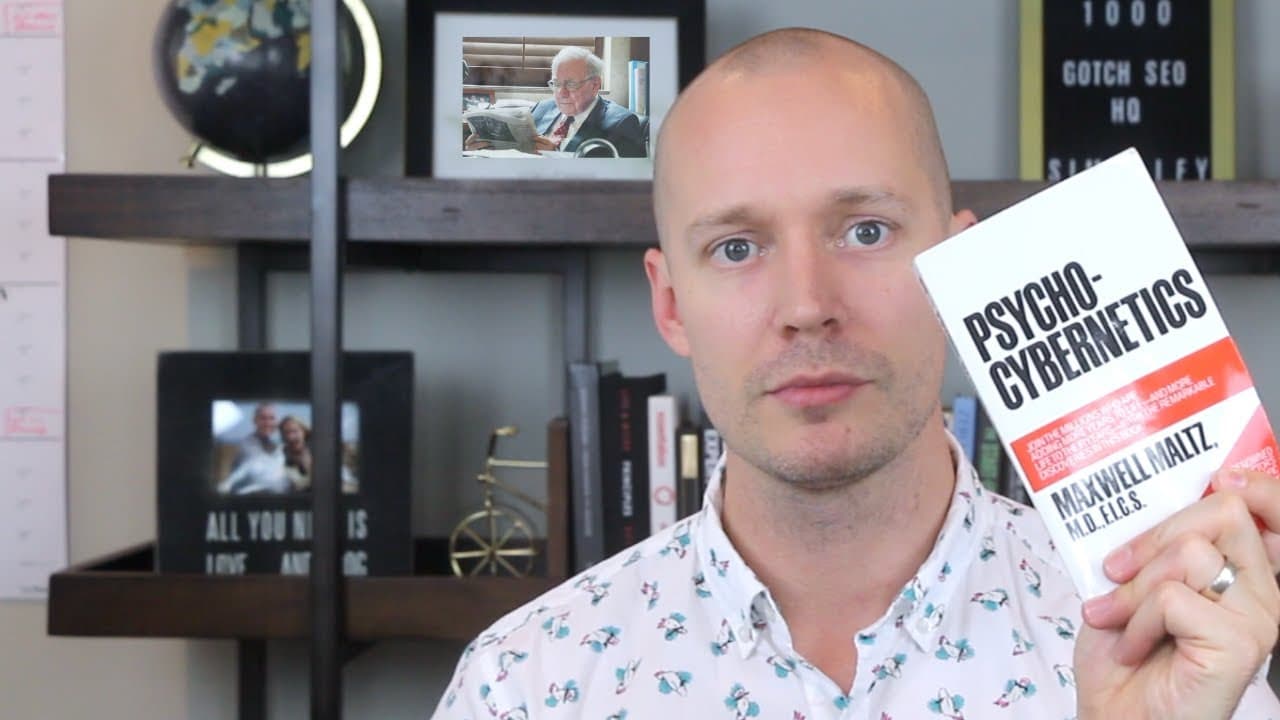
Exploring the impact of reading like Warren Buffett for five days.
Transcript
- Hey, did you know that most CEOs read more than 60 books per year? Well that's why today I'm going to show you what it was like reading like Warren Buffett for five entire days. It was truly a life-changing experience but there were a few downsides that I wasn't expecting. Now watch this entire video to see if reading like Warren Buffett is worth... Read More
Key Insights
- Intentional reading is essential for retention, involving highlighting, note-taking, and transcription to deeply absorb information.
- Books offer more comprehensive knowledge than articles due to rigorous research and editing, except in rapidly changing fields like SEO.
- Tasks often take longer than anticipated, highlighting the need for realistic scheduling and prioritizing important tasks.
- Reading extensively saves time by reducing mistakes and leveraging others' knowledge, accelerating results and efficiency.
- A strong desire to act on new knowledge can be overwhelming, emphasizing the need to balance learning with practical application.
- Scheduling guilt-free reading breaks or vacations can recharge mental energy and improve long-term productivity.
- Information overload can hinder retention and energy, necessitating a balanced approach to learning and mental rest.
- Mastering core skills like productivity, writing, and personal finance can significantly enhance career success and personal growth.
Install to Summarize YouTube Videos and Get Transcripts
Explore YouTube Video Summarizer or Get YouTube Transcript Extractor
Questions & Answers
Q: What is the main purpose of the speaker's experiment?
The main purpose of the speaker's experiment is to understand the impact of reading like Warren Buffett on their mind, productivity, and business. By dedicating six hours a day to reading over five days, the speaker aims to explore whether such extensive reading can lead to significant personal and professional growth.
Q: How does the speaker define intentional reading?
Intentional reading, according to the speaker, involves a deliberate approach to absorbing information. This includes highlighting key points, taking notes in the margins, using tabs, and transcribing highlights into a digital format. This method helps to deeply embed the information in the reader's mind, ensuring better retention and understanding.
Q: Why does the speaker believe books are superior to articles?
The speaker believes books are superior to articles because they undergo extensive research, editing, and revision, resulting in a more comprehensive and reliable source of information. In contrast, articles can be quickly published with minimal oversight, making books a better choice for deep learning, except in rapidly changing fields like SEO.
Q: What challenge does the speaker face regarding task management?
The speaker faces the challenge of managing tasks within a limited timeframe due to dedicating six hours a day to reading. This situation forces them to prioritize the most important tasks, as they often underestimate the time required to complete them. The experience highlights the need for realistic scheduling and prioritization.
Q: What is the speaker's view on the relationship between reading and time efficiency?
The speaker views reading as a time-saving activity because it reduces mistakes and allows one to build on others' knowledge and experiences. By learning from books, individuals can avoid errors and achieve results more quickly and efficiently, ultimately enhancing their productivity and effectiveness.
Q: How does the speaker handle the desire to act on new knowledge?
The speaker acknowledges the challenge of wanting to immediately act on new knowledge gained from reading. They emphasize the importance of balancing learning with practical application, recognizing that while extensive reading is beneficial, it's crucial to allocate time for implementing the insights gained.
Q: What is the speaker's suggestion for avoiding burnout from continuous work?
To avoid burnout from continuous work, the speaker suggests scheduling guilt-free reading breaks or vacations. These breaks allow individuals to recharge their mental energy, process their experiences, and inject new knowledge, ultimately enhancing long-term productivity and creativity.
Q: What lesson does the speaker learn about information overload?
The speaker learns that information overload can impair their ability to retain information and lower their energy levels. This realization highlights the importance of a balanced approach to learning, where one avoids overwhelming the mind with excessive information and allows for adequate mental rest.
Summary & Key Takeaways
-
The speaker undertakes a five-day experiment reading like Warren Buffett, focusing on the impact of extensive reading on productivity and personal growth. They highlight the importance of intentional reading and the superiority of books over articles for deep learning, except in fast-evolving fields like SEO.
-
The experiment reveals that tasks often take longer than expected, necessitating prioritization. Extensive reading saves time by reducing mistakes and leveraging others' experiences, but balancing learning with action is crucial. Guilt-free reading breaks are recommended for recharging mental energy and improving productivity.
-
The speaker warns against information overload, which can impair retention and energy. They emphasize the importance of mastering core skills for career success and personal growth, and share insights gained from reading five books and numerous articles, offering free access to their notes.
Read in Other Languages (beta)
Share This Summary 📚
Summarize YouTube Videos and Get Video Transcripts with 1-Click
Try YouTube Summary with ChatGPT & Claude or YouTube Transcript Generator
Explore More Summaries from Nathan Gotch 📚




Summarize YouTube Videos and Get Video Transcripts with 1-Click
Try YouTube Summary with ChatGPT & Claude or YouTube Transcript Generator