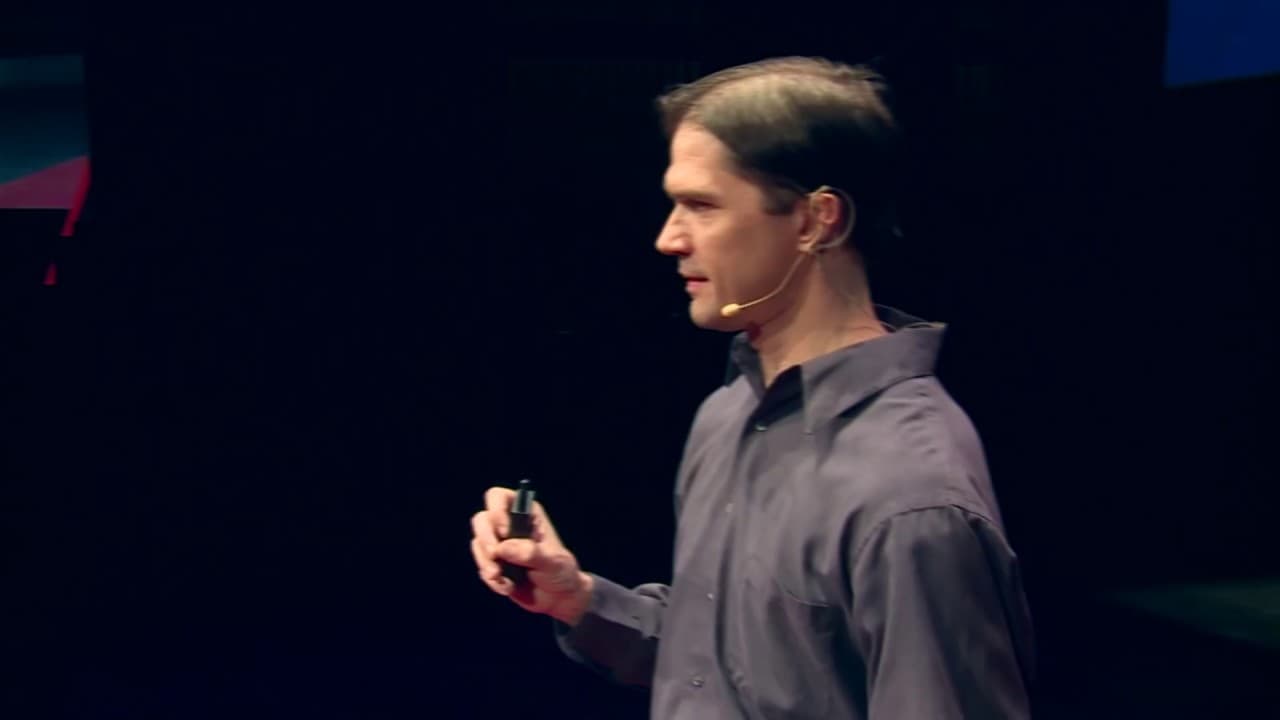
Why we do not prepare for earthquakes | Steven Eberlein | TEDxPortland
TL;DR
Steven Eberlein urges proactive earthquake preparedness in the Pacific Northwest.
Transcript
[Applause] never before in human history have so many people known so much about a risk so large that we've never experienced together but I've experienced it right alongside my wife which is why this idea is so personal and important to me I'm gonna tell our story at the very end to begin I want to tell you a new story of t... Read More
Key Insights
- The Pacific Northwest faces a significant earthquake risk due to the subduction of the Juan de Fuca plate beneath North America, similar to tectonic activity in Japan.
- Despite knowing the risk, many people in the region are not prepared for a potential nine-point earthquake and its devastating effects.
- The concept of a 'permission structure' is crucial in motivating communities to take proactive steps towards disaster preparedness.
- Eberlein draws parallels between camping and earthquake preparedness, emphasizing the need for self-sufficiency in the aftermath of a disaster.
- The talk highlights the 'common sense gap,' where people acknowledge the need for preparedness but fail to act on it.
- Eberlein's personal experience with the 2004 tsunami in Sri Lanka underscores the importance of cultural readiness for natural disasters.
- The Andaman Islands serve as an example of successful cultural preparedness, having suffered no casualties during the 2004 tsunami due to generational knowledge.
- The talk aims to inspire a cultural shift towards normalized and expected earthquake preparedness in the Pacific Northwest.
Install to Summarize YouTube Videos and Get Transcripts
Explore YouTube Video Summarizer or Get YouTube Transcript Extractor
Questions & Answers
Q: What is the main geological risk discussed in the talk?
The main geological risk discussed is the potential for a significant earthquake in the Pacific Northwest due to the subduction of the Juan de Fuca plate beneath the North American plate. This tectonic activity is similar to what occurs in Japan and poses a risk of a nine-point earthquake, which could have devastating effects on the region's infrastructure and safety.
Q: Why does Eberlein believe people in the Pacific Northwest are not prepared for an earthquake?
Eberlein believes that despite understanding the risk, people in the Pacific Northwest are not prepared due to a 'common sense gap.' This gap occurs when people acknowledge the smart course of action—preparing for an earthquake—but do not expect themselves or others to actually take those steps. He emphasizes the need for cultural change to bridge this gap.
Q: What is a 'permission structure' and how does it relate to preparedness?
A 'permission structure' is a social mechanism that encourages individuals to take action by normalizing a behavior within a community. In the context of preparedness, it involves individuals taking the first steps to prepare and sharing their actions with others, thereby creating a culture where preparedness is expected and normalized, similar to how people begin eating at a potluck once one person starts.
Q: How does Eberlein compare camping to earthquake preparedness?
Eberlein compares camping to earthquake preparedness by highlighting the self-sufficiency required in both situations. Just as camping involves going to a remote location without services, being earthquake-ready means being prepared to 'camp' wherever you are—home, work, or in your car—by having supplies like water and a family plan in place for when infrastructure is compromised.
Q: What personal experience does Eberlein draw from to emphasize the importance of preparedness?
Eberlein draws from his personal experience with the 2004 tsunami in Sri Lanka, where he and his wife witnessed the devastation caused by a subduction zone earthquake. This experience left a lasting impression on him about the importance of preparedness and cultural readiness for natural disasters, motivating him to advocate for proactive measures in the Pacific Northwest.
Q: What example does Eberlein use to illustrate successful cultural preparedness?
Eberlein uses the example of the Andaman Islands, where a tribe suffered zero casualties during the 2004 tsunami due to a cultural practice of passing down knowledge about tsunamis through generations. This practice created a 'permission structure' that enabled them to act swiftly and effectively when the disaster struck, demonstrating the power of cultural preparedness.
Q: What is the 'common sense gap' mentioned in the talk?
The 'common sense gap' refers to the disconnect between knowing the smart action to take and actually taking it. In the context of earthquake preparedness, it describes how people in the Pacific Northwest recognize the need to prepare for a potential earthquake but do not expect themselves or others to follow through with necessary actions, such as creating emergency plans and kits.
Q: How does Eberlein propose to change the culture of preparedness in the Pacific Northwest?
Eberlein proposes changing the culture of preparedness by encouraging individuals to take small, proactive steps and share their actions with others to create a 'permission structure.' By normalizing preparedness through repeated exercises and community engagement, it becomes an expected behavior, leading to a cultural shift where readiness for earthquakes is a collective norm rather than an exception.
Summary & Key Takeaways
-
Steven Eberlein emphasizes the urgent need for earthquake preparedness in the Pacific Northwest, highlighting the significant risk posed by the subduction of the Juan de Fuca plate. He draws on his personal experience with the 2004 tsunami in Sri Lanka to illustrate the importance of cultural readiness for natural disasters.
-
Eberlein introduces the concept of a 'permission structure' to encourage communities to take proactive steps towards disaster preparedness. He likens earthquake readiness to camping, emphasizing the need for self-sufficiency and a cultural shift towards normalized preparedness.
-
The talk addresses the 'common sense gap,' where people recognize the need for preparedness but fail to act. Eberlein shares the success story of the Andaman Islands, where generational knowledge helped prevent casualties during the 2004 tsunami, as a model for cultural readiness.
Read in Other Languages (beta)
Share This Summary 📚
Summarize YouTube Videos and Get Video Transcripts with 1-Click
Try YouTube Summary with ChatGPT & Claude or YouTube Transcript Generator
Explore More Summaries from TEDx Talks 📚
Summarize YouTube Videos and Get Video Transcripts with 1-Click
Try YouTube Summary with ChatGPT & Claude or YouTube Transcript Generator