60 (Every) 50's & 60's Animated Cartoon That Paved The Way For Saturday Morning Cartoons - Explored
TL;DR
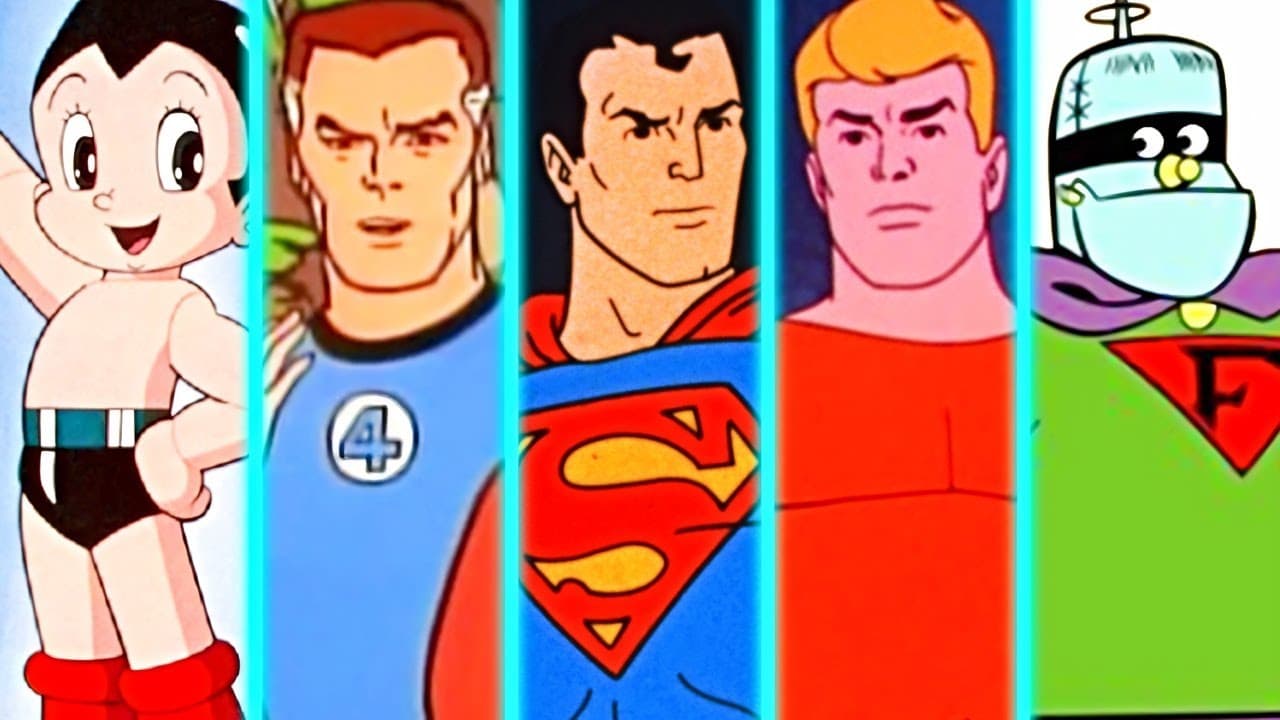
A retrospective look at iconic Saturday morning cartoons from the 1950s and 60s.
Transcript
there fly our last hey there guys this is Richard your host with another marvelous video hello and welcome to another marvelous video hey Time Travelers of nostalgia today we're diving into the vibrant world of Saturday morning cartoons from the golden eras of the 1950s and 60s whether you were there for the original broadcast or grew up catching t... Read More
Key Insights
- ❓ The 1950s and 60s were a transformative period for animation, shifting towards storytelling that featured complex characters and moral lessons.
- 👻 Hanna-Barbera's innovative production techniques allowed for a diverse range of animated genres, from action-adventure to slice-of-life comedies.
- 🤬 Iconic characters like Scooby-Doo, Bugs Bunny, and Yogi Bear became cultural symbols, leaving an indelible mark on animation and children's entertainment.
- 👪 Many of these shows employed humor that appealed to both children and adults, ensuring cross-generational appeal and fostering family viewing.
- 👀 The format of Saturday morning cartoons established a communal television-watching experience, impacting childhood memories and bonding.
- 🛀 Nostalgia for these shows is an emotional connection that transcends generations, emphasizing their importance as part of cultural heritage.
- 🏛️ As animation continues to advance, the foundational elements established by these classic cartoons influence modern content and character development.
Install to Summarize YouTube Videos and Get Transcripts
Explore YouTube Video Summarizer or Get YouTube Transcript Extractor
Questions & Answers
Q: What made "Johnny Quest" stand out among its contemporaries?
"Johnny Quest," which aired from 1964 to 1965, revolutionized animation through its detailed, realistic style, diverging from the typical cartoon aesthetics of its time. Its adventurous narrative, featuring elements like action-packed missions and complex characters, established it as a precursor for action-oriented cartoons, proving that animated stories could embrace sophisticated themes rather than solely relying on humor.
Q: How did "The Flintstones" influence future animated sitcoms?
Premiering in 1960, "The Flintstones" was groundbreaking as the first prime-time animated sitcom. It combined aspects of modern life with prehistoric humor, setting the stage for character-driven narratives in animation. Its blend of satire and relatable family dynamics has inspired numerous animated shows that followed, highlighting how cartoons could effectively explore social themes while entertaining audiences.
Q: What is the significance of "Scooby-Doo" in children's television history?
Debuting in 1969, "Scooby-Doo, Where Are You!" introduced a unique blend of mystery and comedy aimed at children. The show featured a relatable cast and a format that emphasized teamwork and problem-solving, promoting values like friendship and bravery. Its longevity and numerous spin-offs underscore its impact on children's television, creating a beloved franchise still relevant today.
Q: How did animation techniques evolve during the era of these cartoons?
The cartoons of the 1950s to 60s showcased a variety of animation techniques, from traditional hand-drawn methods to innovative approaches like limited animation seen in shows like "The Rocky and Bullwinkle Show." These evolving techniques affected storytelling and character design, allowing for more diverse narratives and expanding the creative possibilities within children's programming.
Q: Why do you think Saturday morning cartoons continue to resonate with audiences today?
Saturday morning cartoons evoke powerful nostalgia, allowing adults to reconnect with their childhood experiences. They had a formative role in shaping cultural values, humor, and artistic styles in animation. Additionally, their accessibility during that time made them a collective experience for families, contributing significantly to their lasting legacy as cherished pop culture icons.
Q: What themes are prevalent in the classic cartoons discussed in the video?
The classic cartoons focused on themes such as adventure, friendship, courage, and humor. Shows like "The Adventures of Tintin" emphasized exploration and problem-solving, while others like "Popeye the Sailor" highlighted resilience and the victory of good over evil. These themes not only entertained but imparted valuable life lessons relevant to young audiences.
Summary & Key Takeaways
-
The video celebrates the legacy of Saturday morning cartoons from the 1950s and 60s, focusing on iconic shows that shaped childhood memories. It highlights how these cartoons were not only entertaining but also influential in pop culture.
-
Key shows discussed include "Johnny Quest," "The Flintstones," "Scooby-Doo," and "The Bugs Bunny Show," among others, showcasing their unique styles, characters, and lasting impact on animation.
-
The host encourages viewers to reminisce about their favorite childhood shows, reinforcing the significance of these cartoons as cultural touchstones that continue to inspire modern animation.
Read in Other Languages (beta)
Share This Summary 📚
Summarize YouTube Videos and Get Video Transcripts with 1-Click
Try YouTube Summary with ChatGPT & Claude or YouTube Transcript Generator
Explore More Summaries from Marvelous Videos 📚





Summarize YouTube Videos and Get Video Transcripts with 1-Click
Try YouTube Summary with ChatGPT & Claude or YouTube Transcript Generator