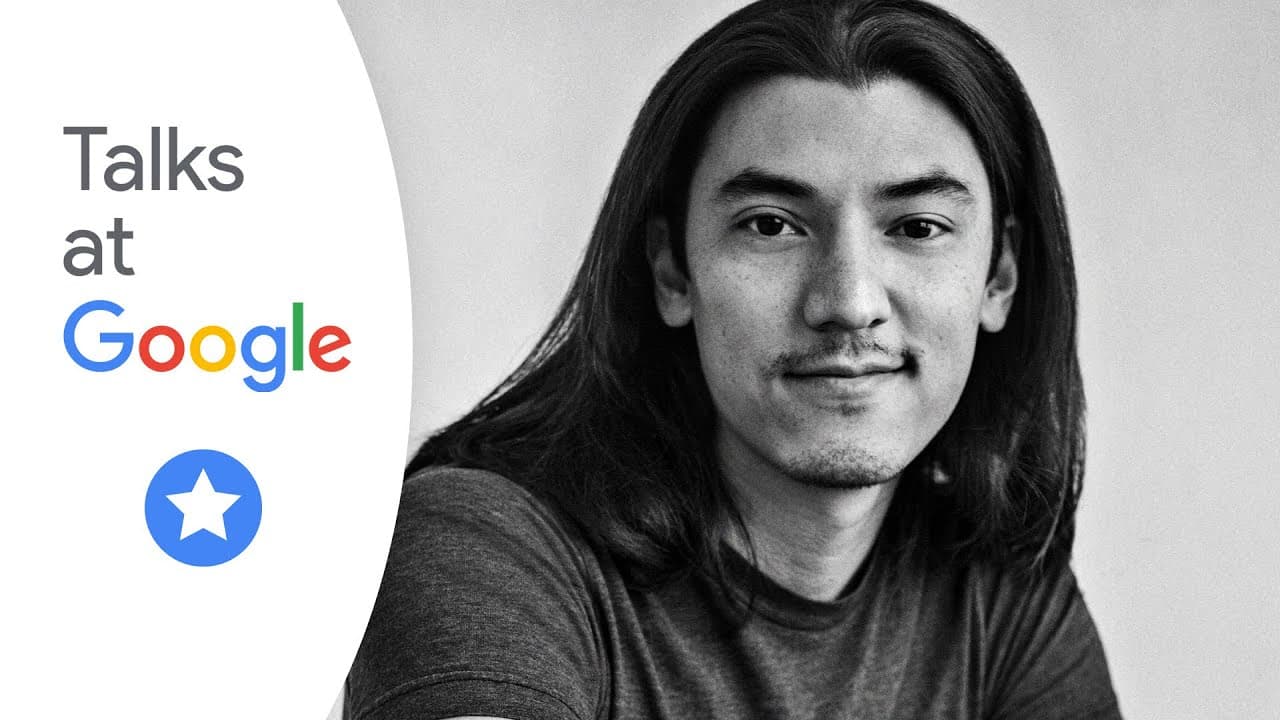
Jeff Orlowski | The Social Dilemma | Talks at Google
TL;DR
A documentary filmmaker discusses the inspiration and making of "The Social Dilemma," highlighting the unintended consequences of social media and the need for change.
Transcript
[MUSIC PLAYING] ANISHA BHANDARI: Welcome to Talks at Google. My name is Anisha Bhandari, and I am the security policy program manager here at Google. In addition to my main role, I also run the movies club here, and I would like to welcome Director Jeff Orlowski to discuss "The Social Dilemma," a blend of documentary investigation and narrative dra... Read More
Key Insights
- 🤨 Social media platforms have unintended consequences on society, raising questions about the design and business models behind them.
- 🥺 Algorithms can shape the information ecosystem and have a significant impact on individuals' beliefs, leading to political polarization and misinformation.
- 👤 The portrayal of users as puppets highlights the lack of control users have over the content they see on social media platforms.
- 👶 New technology platforms should focus on bringing people together, fostering deep, nuanced conversations, and enabling connections based on shared values and interests.
- 🥺 Moving away from ad-driven platforms and promoting alternative business models, such as nonprofit or community-driven platforms, can lead to more beneficial and ethical social media experiences.
- 🧑🏭 Metrics for improvement should focus on factors such as trust, nuance, knowledge, and wisdom rather than purely quantitative measures like follower counts.
Install to Summarize YouTube Videos and Get Transcripts
Explore YouTube Video Summarizer or Get YouTube Transcript Extractor
Questions & Answers
Q: Why did Jeff Orlowski decide to focus on the impact of social media in "The Social Dilemma"?
Orlowski was inspired by hearing about persuasive design and the growing concerns about the unintended consequences of social media platforms. He wanted to explore the question of whether technology is fully serving the public and investigate the downstream effects of their business models.
Q: How did Orlowski and his team decide on the narrative and script for the film?
The process involved interviewing experts, engineers, and individuals who have worked in the tech industry. They wanted to learn from the experts and understand the complexities of algorithms. Additionally, they wanted to move away from a traditional talking-heads format and instead create a narrative that brings algorithms to life.
Q: What was the inspiration behind portraying users as puppets in the film?
The portrayal of users as puppets was meant to depict the lack of control they have over the content they see on social media platforms. Orlowski felt that users often believe they have free choice and agency, but are unaware of the filtering and limited perspectives that algorithms can create.
Q: How did the team come up with a visual representation of algorithms and their impact?
The team spent time talking to engineers and experts to understand how algorithms work. They focused on three main levers: growth, engagement, and advertising. By bringing these levers to life, they aimed to showcase the different intentions behind algorithms and the potential consequences that can arise from business models.
Q: Was "The Matrix" an inspiration for the film?
"The Matrix" served as a fascinating reference during the making of the film. Orlowski mentioned feeling like we are already living in the matrix, where our digital versions impact social media and networking. The film explores the cause and effect dynamics of living in different realities and individualized information ecosystems.
Q: How does Orlowski view Netflix's reliance on algorithms to capture user attention while producing a documentary criticizing such practices?
Orlowski clarified that the film was independently produced and not funded or produced by Netflix. However, he acknowledged the alignment between Netflix's subscription model and user goals, as well as the absence of rampant misinformation and conspiracy theories often found on other platforms.
Q: How did Orlowski find and recruit the speakers featured in the film?
The process involved reaching out to friends, peers, and colleagues from Stanford University and conducting independent research. They aimed to find individuals who were speaking thoughtfully on the subject matter and who could provide insightful perspectives on the challenges of the tech industry.
Q: Why was there a lack of diversity among the speakers in the film?
Orlowski explained that the project initially started with insiders from the tech industry who were comfortable speaking out. This self-selecting group consisted mainly of white men. However, they later included external critics to provide a broader and more diverse conversation.
Summary & Key Takeaways
-
Director Jeff Orlowski was inspired to create "The Social Dilemma" after learning about persuasive design and its impact on social media users.
-
The film explores the unintended consequences of social media platforms and raises questions about the design and business models behind them.
-
Orlowski wanted to move away from a traditional documentary format and instead anthropomorphize algorithms to make the content more relatable and accessible.
Read in Other Languages (beta)
Share This Summary 📚
Summarize YouTube Videos and Get Video Transcripts with 1-Click
Try YouTube Summary with ChatGPT & Claude or YouTube Transcript Generator
Explore More Summaries from Talks at Google 📚
Summarize YouTube Videos and Get Video Transcripts with 1-Click
Try YouTube Summary with ChatGPT & Claude or YouTube Transcript Generator