How Hitler acquired absolute power | John Mearsheimer and Lex Fridman
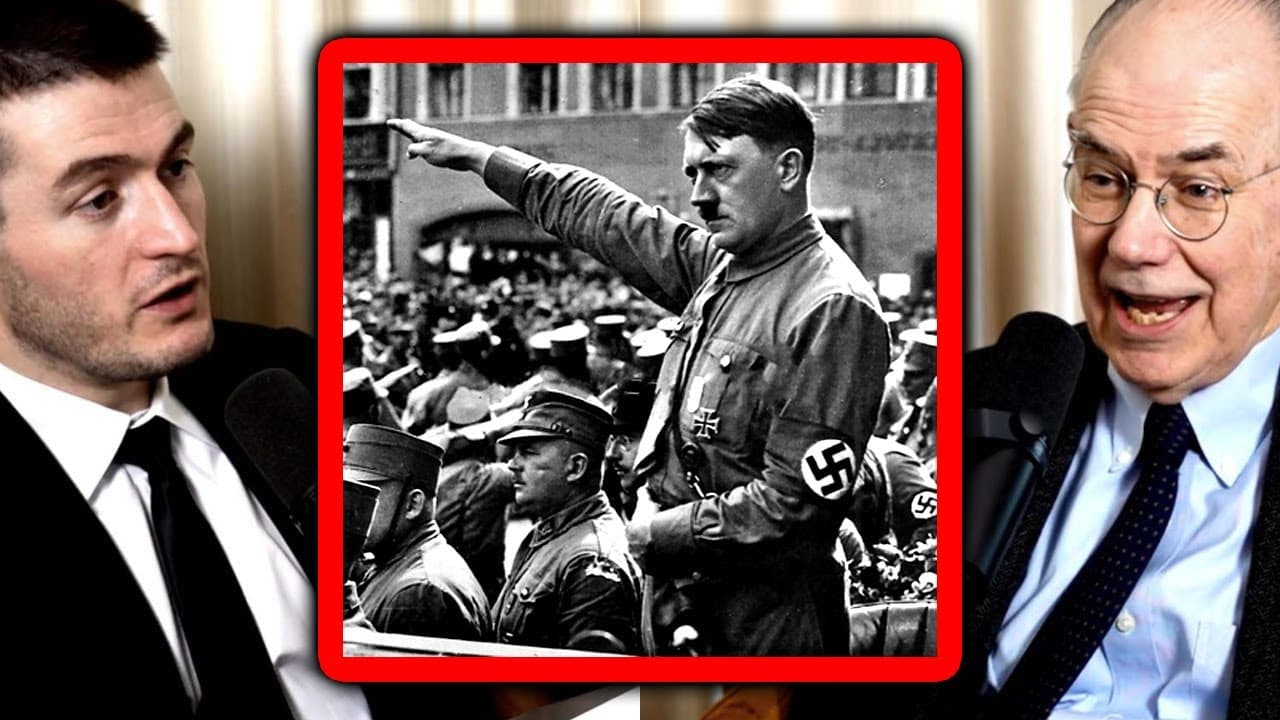
TL;DR
Resentment, along with other factors such as Germany's defeat in World War I and the Great Depression, played a significant role in Hitler's rise to power and the popularity of his leadership.
Transcript
is there some degree on the human psychology side that resentment because of how because of what happened after World War I led to Hitler wielding so much power and then Hitler starting World War II so this is the The Human Side perhaps the reason I asked that question is also because you mentioned the century of humiliation on the China side so to... Read More
Key Insights
- 😮 Resentment towards the Treaty of Versailles and Germany's post-WWI hardships contributed to Hitler's rise to power.
- 👻 The Great Depression further fueled Hitler's popularity by allowing him to present himself as an effective leader.
- 😉 Hitler's charismatic personality played a significant role in his ability to win over the German people.
- ✊ The combination of resentment, Hitler's will to power, and his successful leadership during the Great Depression contributed to his overall appeal.
- 🧑🏭 Despite personal opinions, Hitler's charisma was recognized by experts and was a crucial factor in his popularity.
- 🥺 The factors that led to Hitler's rise to power are different from those that led to the outbreak of World War II.
- 🇩🇪 Hitler's ability to pull Germany out of the Great Depression made him an effective leader in the eyes of the German population.
Install to Summarize YouTube Videos and Get Transcripts
Explore YouTube Video Summarizer or Get YouTube Transcript Extractor
Questions & Answers
Q: How did resentment contribute to Hitler's rise to power?
Resentment among the German population towards the Treaty of Versailles and the hardships faced after World War I created a sense of discontent that Hitler was able to exploit, gaining support and power.
Q: Were there other factors besides resentment that influenced Hitler's rise to power?
Yes, factors such as Germany's defeat in World War I, the Great Depression, Hitler's strong desire for power, and his charismatic personality all played a role in his ascent to power.
Q: Why was Hitler able to gain and maintain popularity as a leader in Nazi Germany?
Hitler was able to win over the German people by playing on their resentment and discontent, promising to restore German pride and leading them out of the Great Depression. His charisma and ability to deliver on these promises contributed to his popularity.
Q: Was Hitler still popular even after the Third Reich was destroyed?
Yes, even in the late 1940s, after World War II had ended, Hitler was still remarkably popular in public opinion polls conducted in West Germany. This suggests that his influence and charisma had a long-lasting impact.
Summary & Key Takeaways
-
Resentment among the German populace due to the Treaty of Versailles and the hardships faced by Germany after World War I significantly contributed to Hitler's rise to power.
-
The Great Depression further fueled Hitler's popularity as he was able to lead Germany out of economic downturn, making him an effective leader in the eyes of the people.
-
Hitler's charismatic personality and ability to tap into the resentment and discontent of the German people were crucial in his success.
Read in Other Languages (beta)
Share This Summary 📚
Summarize YouTube Videos and Get Video Transcripts with 1-Click
Try YouTube Summary with ChatGPT & Claude or YouTube Transcript Generator
Explore More Summaries from Lex Clips 📚



Summarize YouTube Videos and Get Video Transcripts with 1-Click
Try YouTube Summary with ChatGPT & Claude or YouTube Transcript Generator