When the Poacher Lost His Job
TL;DR
This content highlights the dangerous and unrewarding job of poacher hunters, the high value of poached animals on the black market, and various strategies to protect wildlife from poaching.
Transcript
i think it's too late today we're going to talk about poacher hunters you'll get to know them see how they work learn the tricks they use to catch poachers and much more david berry jr from missouri hunted deer illegally for three years over this time he killed hundreds of them and it's not entirely clear whether david earned any good money on that... Read More
Key Insights
- 🛟 Poacher hunting is a dangerous and unrewarding job, with many rangers sacrificing their lives to protect wildlife.
- 🐦⬛ The black market value of poached animals, like white rhinos, is extremely high, making them lucrative targets for poachers.
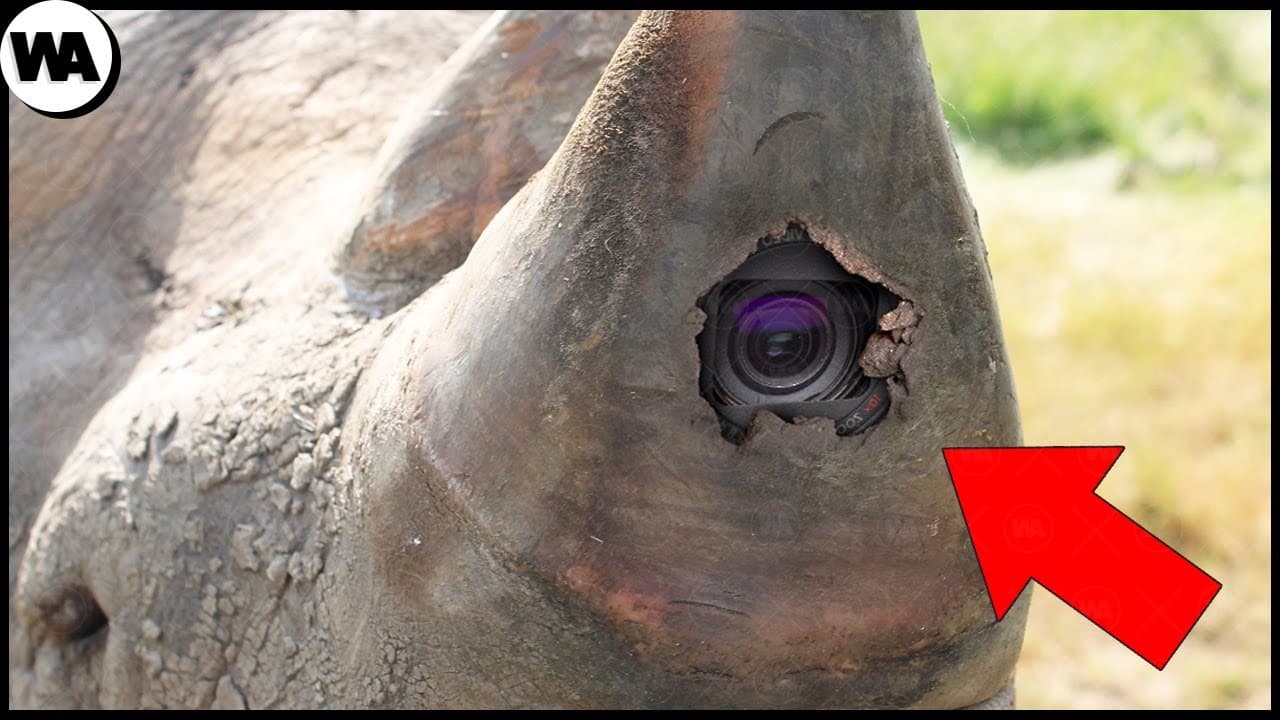
- 🎍 Various strategies, from injecting poison into rhino horns to using vultures and giant pouched rats for detection, are being employed to combat poaching.
- 🇦🇬 Technological advancements, such as early warning systems and artificial intelligence, are helping to improve anti-poaching efforts.
- 🛀 Dehorning rhinos has shown success in reducing poaching incidents, but it is not a foolproof solution.
- 🐘 Some animals, like elephants, may adapt genetically to reject tusks to survive ongoing poaching threats.
Install to Summarize YouTube Videos and Get Transcripts
Explore YouTube Video Summarizer or Get YouTube Transcript Extractor
Questions & Answers
Q: Why are poacher hunters at high risk of danger?
Poacher hunters often face armed poachers who are ready to kill to protect their illegal activities. In regions with elephants and rhinos, rangers may be outnumbered ten to one, making their job even more dangerous.
Q: What is the value of white rhino horns on the black market?
White rhino horns can be worth up to two and a half times more than gold. Asian rhino horns can fetch up to $400,000 for two pounds, while African rhino horns cost around $20,000 for two pounds.
Q: How are vultures used to catch poachers?
Poachers have been using vultures to their advantage by poisoning elephant carcasses to prevent the circling vultures from giving away the location of a poached animal. However, rangers also utilize circling vultures to detect poacher locations and catch them before they make a kill.
Q: How are fake rhino horns being used to combat poaching?
To make real rhino horns less attractive to poachers, conservationists have dyed the horns pink using a detectable poisonous substance. This makes the horn useless as a decoration, and even if ground into a powder, it can be detected at airports. This has led to a significant drop in animal deaths in areas where horns were dyed pink.
Q: Besides traditional methods, what other technological solutions are being used to protect wildlife from poaching?
Conservationists are utilizing technologies like thermal cameras, scanners, security cameras, and sensors to create early warning systems to detect poachers near wildlife reserves. These systems have significantly reduced poaching incidents and response time for rangers.
Q: What is the most effective method to protect rhinos from poaching?
Cutting off the horns of rhinos has proven to be an effective method in protecting them. While not the fastest or safest procedure, dehorning coupled with other anti-poaching measures has shown promising results, with some areas reporting no poaching incidents after dehorning.
Q: Can elephants adapt to lower the risk of poaching?
Some studies suggest that evolution may cause elephants to reject tusks at a genetic level due to persistent poaching. During the civil war in Mozambique, where 90% of elephants were killed for ivory, elephants without tusks survived and passed on their tuskless genes.
Q: How do animals like giraffes and mountain gorillas cope with poaching threats?
Animals like giraffes and mountain gorillas do not receive the same level of protection as elephants and rhinos. They often have to rely on their instincts and cooperation within their groups to dismantle traps and avoid poaching threats.
Key Insights:
- Poacher hunting is a dangerous and unrewarding job, with many rangers sacrificing their lives to protect wildlife.
- The black market value of poached animals, like white rhinos, is extremely high, making them lucrative targets for poachers.
- Various strategies, from injecting poison into rhino horns to using vultures and giant pouched rats for detection, are being employed to combat poaching.
- Technological advancements, such as early warning systems and artificial intelligence, are helping to improve anti-poaching efforts.
- Dehorning rhinos has shown success in reducing poaching incidents, but it is not a foolproof solution.
- Some animals, like elephants, may adapt genetically to reject tusks to survive ongoing poaching threats.
- Giraffes and mountain gorillas rely on their own instincts and group cooperation to cope with poaching dangers.
Summary & Key Takeaways
-
Poacher hunters face dangerous conditions and often risk their lives to protect wildlife, particularly in regions with elephants and rhinos.
-
Poached animals, such as white rhinos, have high value on the black market, with their traded parts being worth more than gold.
-
Creative strategies like injecting poison into rhino horns, using vultures to detect poacher locations, using giant pouched rats to sniff out illegal goods, and flooding the market with fake rhino horns are being utilized to combat poaching.
Read in Other Languages (beta)
Share This Summary 📚
Summarize YouTube Videos and Get Video Transcripts with 1-Click
Try YouTube Summary with ChatGPT & Claude or YouTube Transcript Generator
Explore More Summaries from WATOP 📚




Summarize YouTube Videos and Get Video Transcripts with 1-Click
Try YouTube Summary with ChatGPT & Claude or YouTube Transcript Generator