STEM in 30 - Lighter, Stronger, Better: Composites
TL;DR
Aeronautics expert discusses the significance of a Boeing 747 nose cone in highlighting the scale and scope of modern airliners, while a material engineer explores the use of composites in airplane construction.
Transcript
hi I'm Beth Wilson and today I am with our chair of the Aeronautics Department Bob van der Linden Bob how are you today I'm fine thank you how are you good Bob can you tell me where we're sitting this morning we are sitting in the cockpit of a Boeing 747 and why do we have a Boeing 747 in our collection well we have a 747 here so our visitors can g... Read More
Key Insights
- 😤 The National Air and Space Museum exhibits a Boeing 747 nose cone to illustrate the size of modern airliners.
- 🏋️ The four forces of flight, including weight, drag, lift, and thrust, are essential for flight.
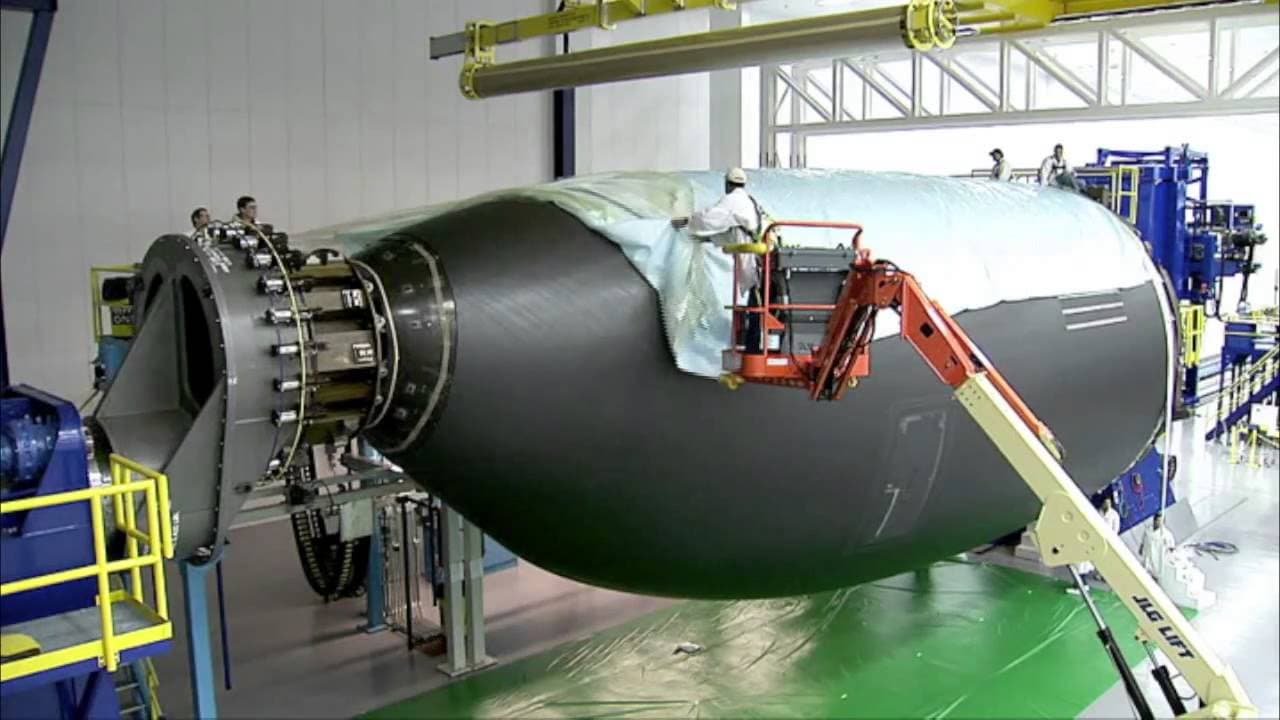
- 🖐️ Composite materials, such as epoxy resin and carbon fiber, play a crucial role in modern airplane construction for their strength, durability, and lightweight properties.
- 🥺 Composites have revolutionized the aviation industry, leading to quieter flights, increased fuel efficiency, and improved passenger comfort.
- 😒 The use of composites in airplane construction has significantly reduced maintenance costs and allowed for greater design flexibility.
- 👾 The space industry has played a vital role in the development of composite materials for aerospace applications.
- 👋 Composites have the potential to impact various industries beyond aviation, such as sporting goods and automotive, due to their lightweight and durable nature.
Install to Summarize YouTube Videos and Get Transcripts
Explore YouTube Video Summarizer or Get YouTube Transcript Extractor
Questions & Answers
Q: How do airplanes counteract the force of gravity to fly?
The four forces of flight, which are weight, drag, lift, and thrust, work together to counteract gravity. Weight is countered by lift, while drag is countered by thrust.
Q: How do airplanes generate lift?
Lift is generated through differences in air pressure. Airplane wings, or airfoils, are designed in such a way that the air going over the top of the wing moves faster, creating a low-pressure area that pushes the wing up into the air.
Q: How are helicopters able to fly using the same principles as airplanes?
Helicopters use similar principles to airplanes, with rotors acting as airfoils to generate lift. When the rotors spin, they create a low-pressure area on top, which lifts the helicopter off the ground.
Q: How are composites beneficial in airplane construction?
Composites, such as epoxy resin and carbon fiber, offer several advantages over traditional metal construction. They are lighter, stronger, more fatigue-resistant, and less prone to corrosion.
Summary & Key Takeaways
-
The National Air and Space Museum exhibits a Boeing 747 nose cone to showcase the size and magnitude of modern airliners.
-
Weight and drag keep planes on the ground, while lift and thrust are necessary to get them off the ground and keep them in flight.
-
Composite materials, such as epoxy resin and carbon fiber, are used in the construction of airplanes for their strength and durability.
Read in Other Languages (beta)
Share This Summary 📚
Summarize YouTube Videos and Get Video Transcripts with 1-Click
Try YouTube Summary with ChatGPT & Claude or YouTube Transcript Generator
Explore More Summaries from NASA 📚

Summarize YouTube Videos and Get Video Transcripts with 1-Click
Try YouTube Summary with ChatGPT & Claude or YouTube Transcript Generator