Lecture 7: Demand for Education
TL;DR
People respond to both the perceived and actual returns to education, with higher perceived returns leading to increased educational attainment.
Transcript
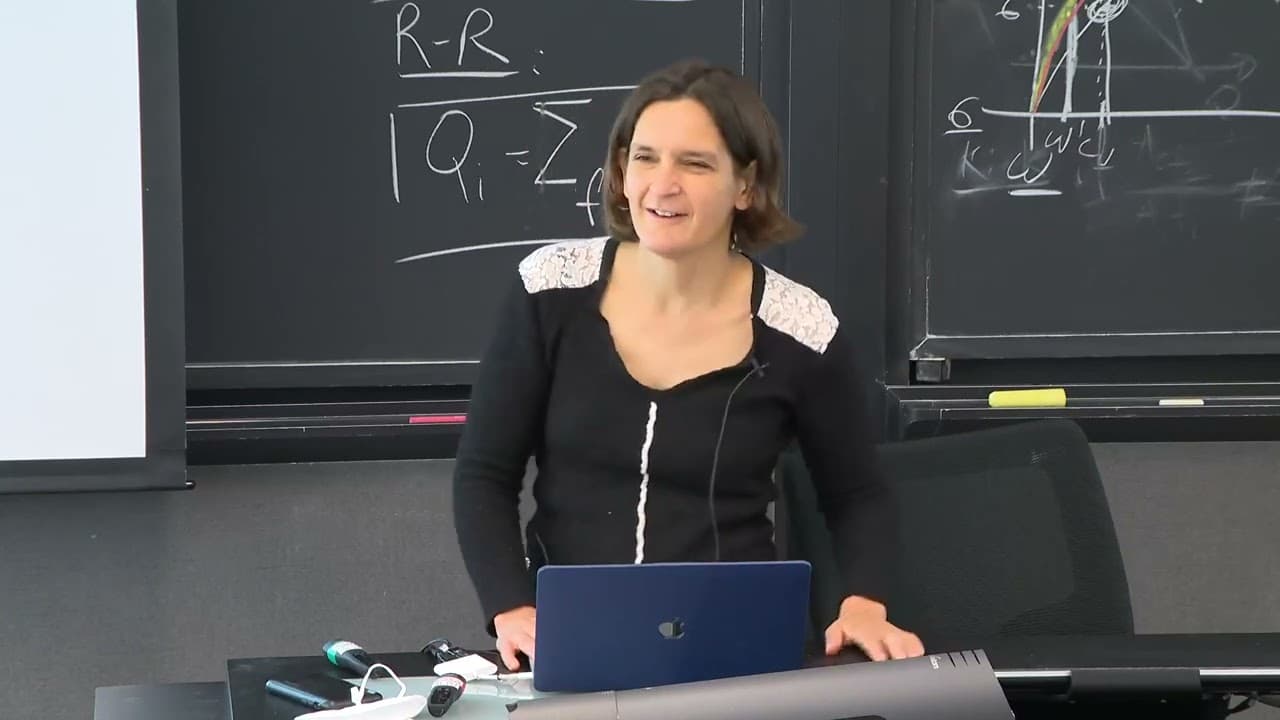
[SQUEAKING] [RUSTLING] [CLICKING] ESTHER DUFLO: Today I want to switch back to empirical-- to examining empirical things. You guys have read my paper. I'm going to talk a bit about that. And I'm going to talk also about it on Monday. So some of the questions that you had-- many of the questions, comments you had were on the returns to education pie... Read More
Key Insights
- 🎓 People tend to underestimate the actual returns to education, which can influence their educational decisions.
- 💁 Experimental interventions that provide accurate information about the returns to education have shown positive impacts on educational choices.
- 🧑🏭 Factors such as changes in labor markets and job opportunities can also influence perceived and actual returns to education.
- ↩️ Individuals may respond differently to perceived and actual returns, with actual returns having a more significant long-term impact.
Install to Summarize YouTube Videos and Get Transcripts
Explore YouTube Video Summarizer or Get YouTube Transcript Extractor
Questions & Answers
Q: How do people typically respond to changes in the perceived returns to education?
People tend to adjust their educational decisions based on the perceived returns to education. If they perceive higher returns, they are more likely to invest in education, while lower perceived returns may discourage educational investment.
Q: Can accurate information about the returns to education change people's educational decisions?
Yes, providing accurate information about the returns to education can influence people's decisions, leading them to invest more in education. Experimental studies have shown that individuals who receive accurate information about the returns to education are more likely to pursue higher education.
Q: Are there any other factors that can influence the perceived and actual returns to education?
Yes, factors such as changes in labor markets, job opportunities, and technological advancements can impact the perceived and actual returns to education. For example, the introduction of new industries or technologies may increase the demand for educated workers, leading to higher returns to education.
Q: Do people respond differently to the perceived and actual returns to education?
Research suggests that people may respond differently to perceived and actual returns. While perceived returns may impact initial educational decisions, actual returns are likely to have a more significant effect in the long term. Accurate information about actual returns to education can help individuals make more informed decisions.
Summary & Key Takeaways
-
The perceived returns to education can influence educational decisions, such as the decision to pursue higher education.
-
Studies have shown that people tend to underestimate the actual returns to education, which can impact their educational choices.
-
Experimental interventions, such as providing accurate information about the returns to education, have been used to test the impact of perceived returns on educational decisions.
-
Research has also examined the impact of other factors, such as changes in labor markets or job opportunities, on the perceived and actual returns to education.
Read in Other Languages (beta)
Share This Summary 📚
Summarize YouTube Videos and Get Video Transcripts with 1-Click
Try YouTube Summary with ChatGPT & Claude or YouTube Transcript Generator
Explore More Summaries from MIT OpenCourseWare 📚



Summarize YouTube Videos and Get Video Transcripts with 1-Click
Try YouTube Summary with ChatGPT & Claude or YouTube Transcript Generator