AI Capitalism: The New Industrial Revolution
TL;DR
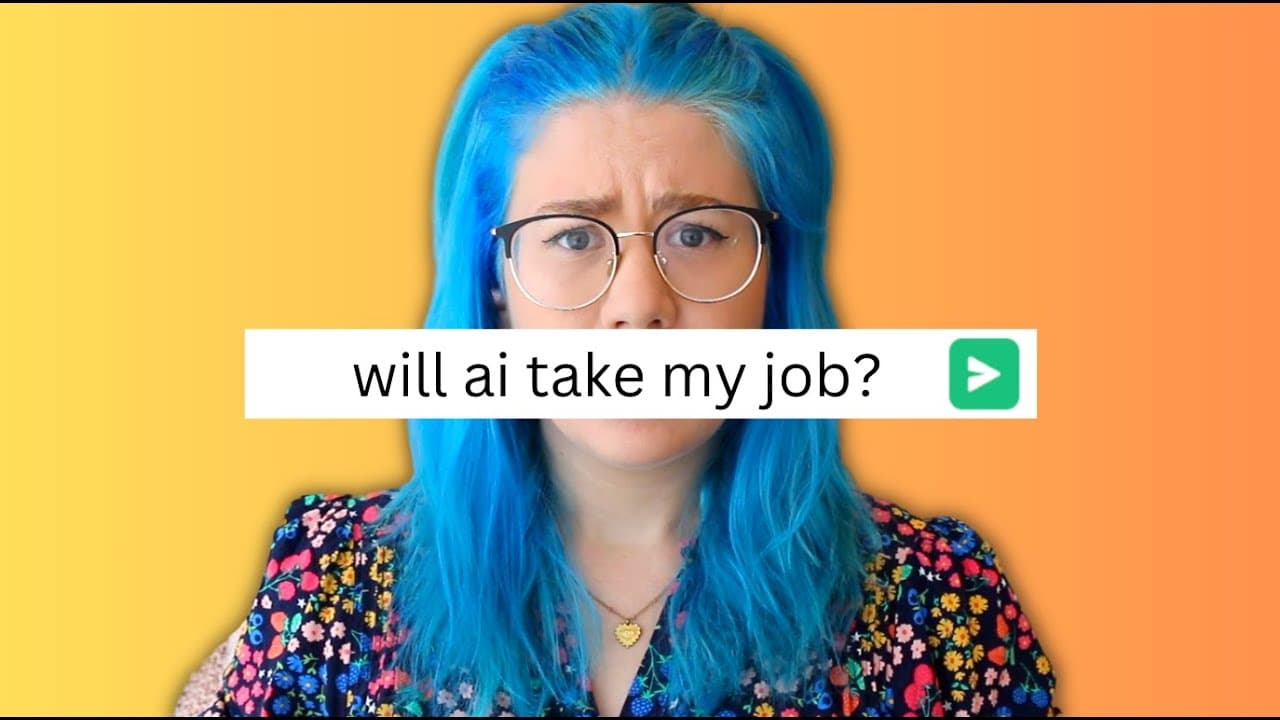
AI is rapidly transforming various industries and job sectors, leading to concerns about job security, bias, ethics, and the future of work.
Transcript
tomorrow's world was a television program that predicted the future and invited inventors engineers and experts to showcase the latest technology that might have an impact on our lives the British public was introduced to the home computer and the smartphone through this show which ran from 1965 to 2003. when I started researching this video I joke... Read More
Key Insights
- 👶 AI is revolutionizing industries and job sectors, both automating tasks and creating new job opportunities.
- ❓ Concerns exist about bias in AI algorithms and the potential for discrimination in hiring processes.
- 👏 The impact of AI on creative and analytical jobs raises questions about the value of human skills and the future of work.
- 👏 AI-generated content raises concerns about accuracy, bias, and the authenticity of human creativity.
- 🐦⬛ Mental health challenges and a lack of motivation among students can lead to increased reliance on AI in education but may hinder critical thinking and learning.
- 👽 The dystopian future of AI lies in potential exploitation, job insecurity, and the erosion of workers' rights.
Install to Summarize YouTube Videos and Get Transcripts
Explore YouTube Video Summarizer or Get YouTube Transcript Extractor
Questions & Answers
Q: How does AI impact the job market?
AI is automating tasks and replacing certain jobs, leading to concerns about job security and unemployment. It can also create new jobs that require expertise in AI and related fields.
Q: What are the ethical concerns surrounding AI?
There are concerns about bias in AI algorithms, as they can perpetuate existing societal biases. Additionally, the use of AI in hiring processes can raise concerns about fairness and discrimination.
Q: How does AI affect journalism and reporting?
AI has been used in journalism to automate data-driven news stories and augment reporting by analyzing large data sets. However, there are concerns about AI-generated content, accuracy, and the potential for fake news.
Q: How does AI impact mental health and education?
Students' mental health struggles, worsened by the pandemic, have led to a rise in using AI for homework. However, this can lead to a lack of critical thinking skills, originality, and engagement in learning.
Key Insights:
- AI is revolutionizing industries and job sectors, both automating tasks and creating new job opportunities.
- Concerns exist about bias in AI algorithms and the potential for discrimination in hiring processes.
- The impact of AI on creative and analytical jobs raises questions about the value of human skills and the future of work.
- AI-generated content raises concerns about accuracy, bias, and the authenticity of human creativity.
- Mental health challenges and a lack of motivation among students can lead to increased reliance on AI in education but may hinder critical thinking and learning.
- The dystopian future of AI lies in potential exploitation, job insecurity, and the erosion of workers' rights.
- Ethical considerations, regulations, and support systems need to be developed to navigate the impact of AI on jobs and society.
Summary & Key Takeaways
-
Tomorrow's World, a television show, introduced the British public to home computers and smartphones, pioneering the future impact of technology on our lives.
-
AI, specifically machine learning, is a subset of artificial intelligence that allows computers to perform tasks that previously required human intelligence.
-
AI is impacting creative jobs, such as art and writing, where concerns exist about AI using human-created work and potentially replacing human artists and writers.
Read in Other Languages (beta)
Share This Summary 📚
Summarize YouTube Videos and Get Video Transcripts with 1-Click
Try YouTube Summary with ChatGPT & Claude or YouTube Transcript Generator